Why This Matters
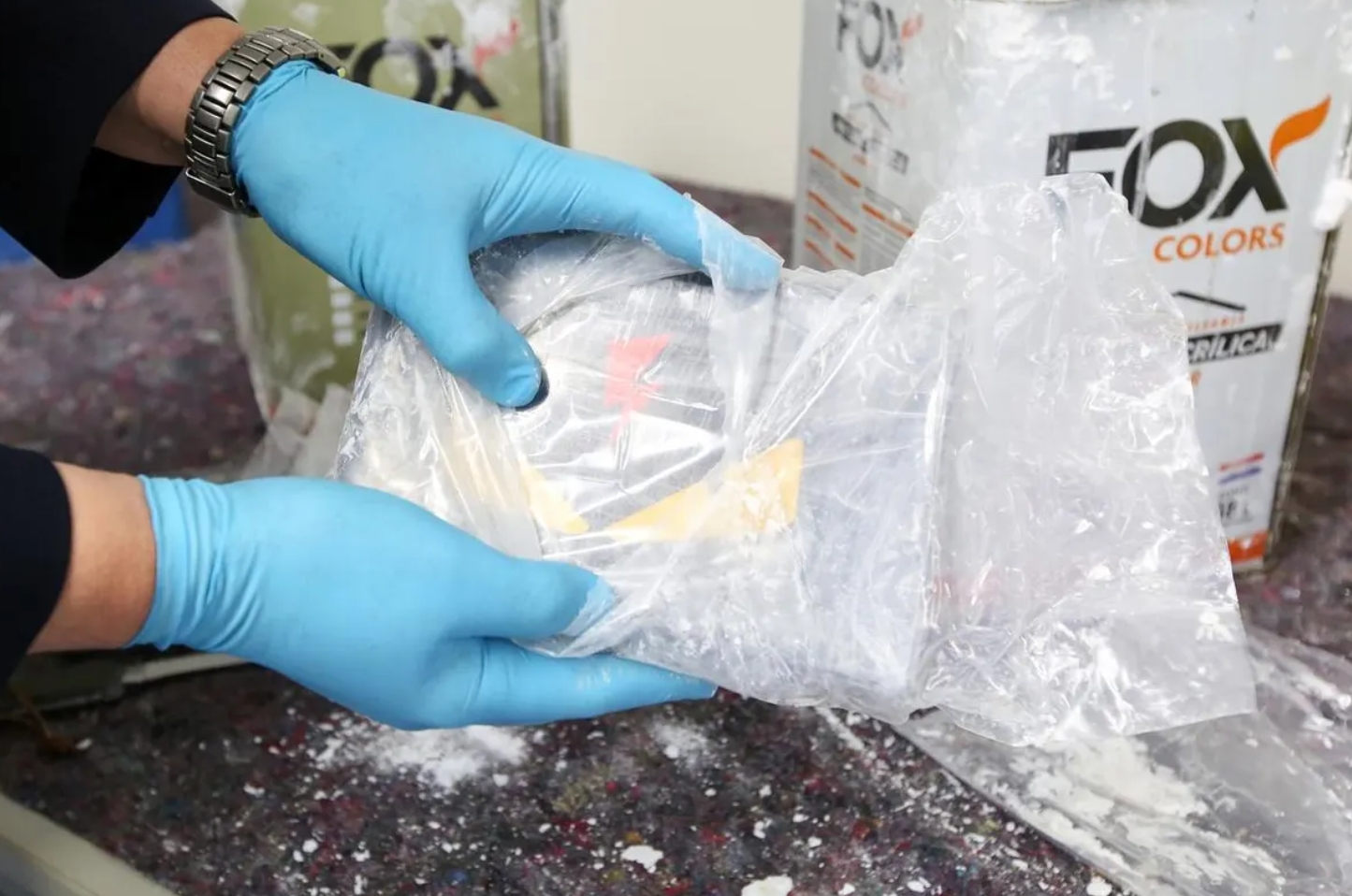
Authorities in Puerto Rico seized an estimated $12 million in cocaine from a small boat off the island’s north coast, in what police say is one of the largest maritime drug busts there in recent years. The case underscores how heavily traffickers still rely on Caribbean routes to move drugs toward the United States and Europe.
Puerto Rico, a U.S. territory, is treated as part of the domestic market once drugs arrive, making it a strategic gateway for smugglers. Large seizures like this suggest that traffickers continue to test sea and cargo routes despite stepped-up patrols and technology.
The latest bust also comes amid a string of recent cocaine seizures in and around San Juan, adding pressure on local and federal agencies as they try to secure busy commercial ports and popular coastal areas without disrupting legal trade and tourism.
Key Facts and Quotes
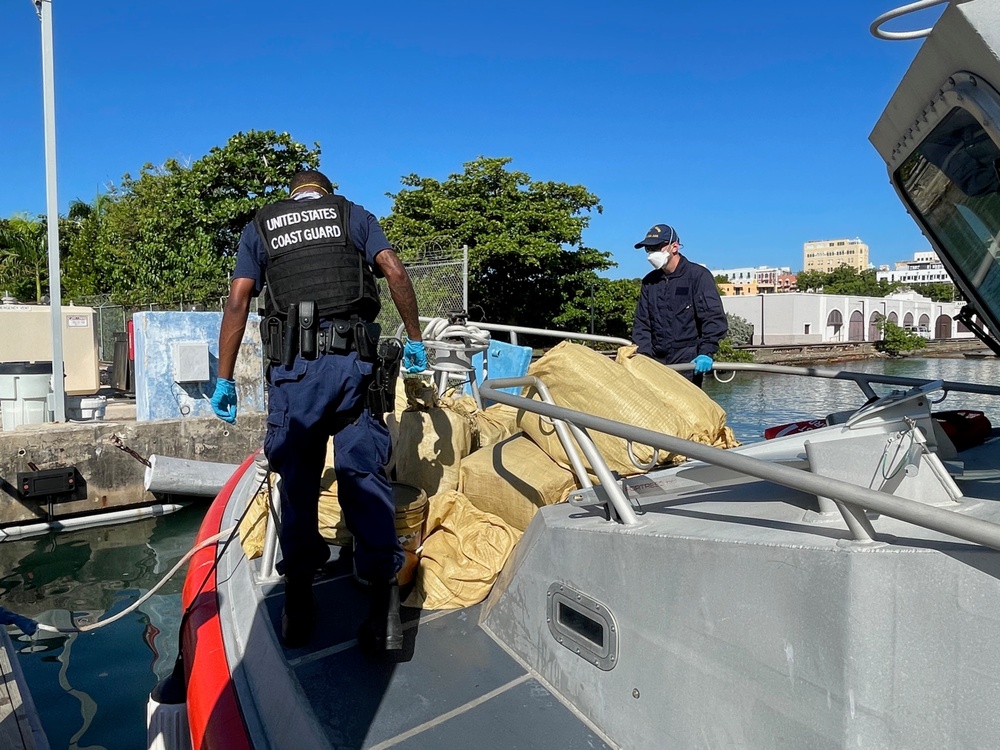
Police in Puerto Rico said officers intercepted a 26-foot-long boat with no identifying markings in waters off the town of Rio Grande on the island’s north shore. After a pursuit at sea, three suspects were detained, and more than 1,800 pounds of cocaine were found on board, according to a police statement.

Authorities estimated the haul at roughly $12 million based on street value. Local police said that federal agencies have taken over the investigation, a common step in larger maritime trafficking cases that may involve international networks and U.S. federal drug laws.
Officials described the seizure as one of the biggest in Puerto Rican waters in recent years. Puerto Rico has long been a transit point for cocaine and other drugs moving from South America through the Caribbean toward the U.S. mainland and, to a lesser extent, Europe.
The bust follows several other major cocaine seizures in recent months. U.S. Customs and Border Protection said its officers found about 214 pounds of cocaine hidden in a cargo ship that arrived in San Juan on February 26, with an estimated value of $1.7 million. In January, CBP agents working with the U.S. Coast Guard seized 10 bales of suspected cocaine off the coast, weighing nearly 780 pounds and valued at more than $5 million. Late last year, CBP reported almost 1,000 pounds of cocaine seized from a cargo trailer in San Juan.
What It Means for You
For residents and travelers, the seizure is a reminder that Caribbean waters and ports are a frontline in the regional drug trade, even in areas known primarily for tourism. While most trafficking activity targets long-distance smuggling routes, law enforcement operations can affect local security, coastal patrols, and the screening of cargo and vessels.
For people on the U.S. mainland, repeated large seizures near Puerto Rico show that demand and supply chains for cocaine remain strong despite decades of enforcement. How federal and territorial authorities respond through patrols, technology, and international cooperation may influence future trafficking patterns and the availability and price of cocaine in U.S. cities.
How do you think authorities should balance aggressive drug enforcement at sea with keeping trade and tourism flowing smoothly through places like Puerto Rico?
Sources
- CBS News report, “$12 million worth of cocaine found on smuggling boat off Puerto Rico, police say,” published March 23, 2026.
- Puerto Rico Police Bureau public statement on maritime seizure near Rio Grande, March 2026.
- U.S. Customs and Border Protection media releases on cocaine seizures in San Juan dated February 26, 2026, January 2026, and late 2025.