Why This Matters
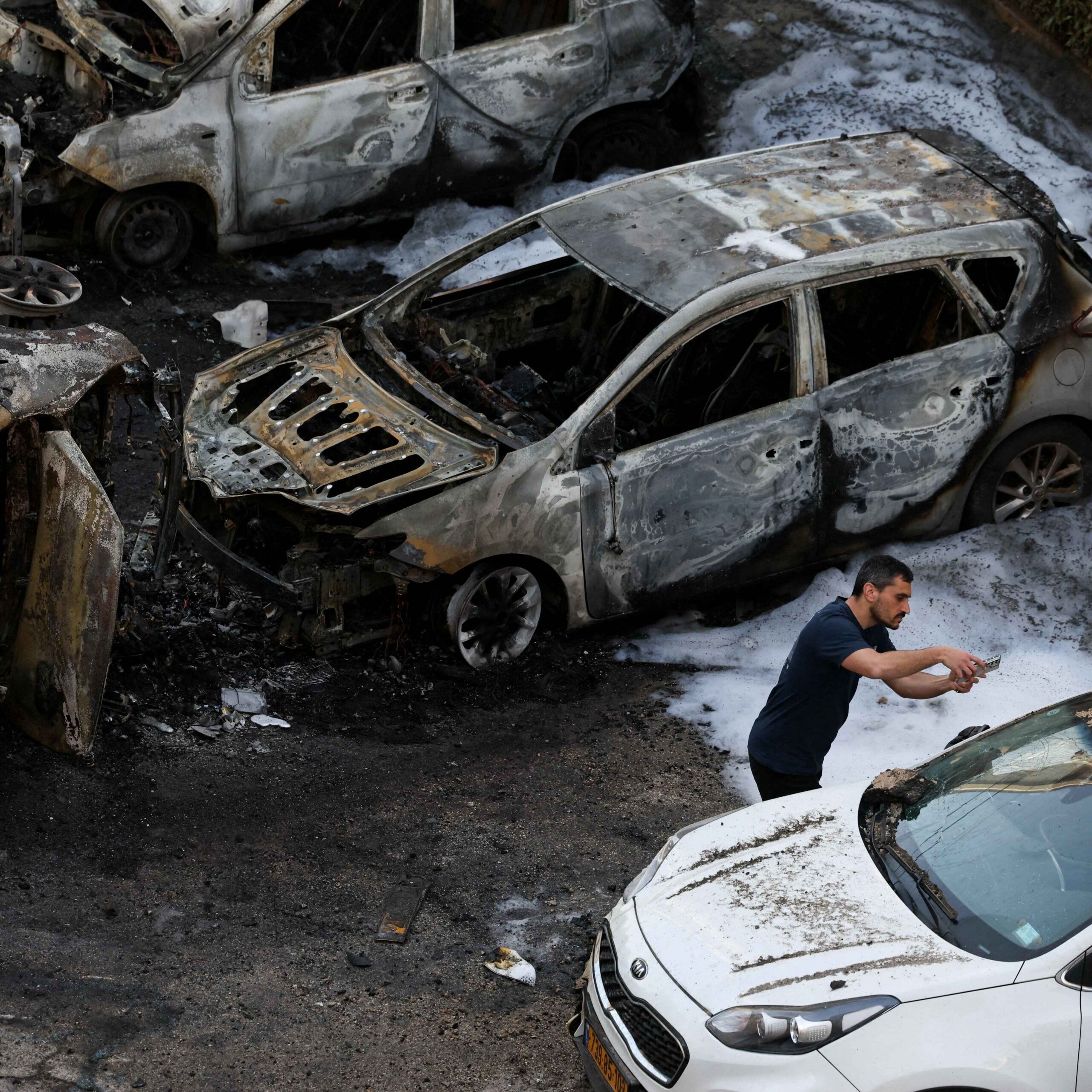
Israeli police barred senior Catholic leaders from entering Jerusalem’s Church of the Holy Sepulchre for a Palm Sunday Mass, the first such disruption in centuries, according to church officials. The move came amid an ongoing war with Iran, whose missile attacks have repeatedly targeted the city.
The church, revered by many Christians as the site of Jesus’ crucifixion and burial, is central to Holy Week observances that lead up to Easter. Any restriction on access there quickly becomes a global issue touching on religious freedom and regional stability.
Jerusalem is sacred to Jews, Christians, and Muslims, and access to its holy sites is governed by long-standing arrangements often referred to as the “status quo.” Changes, especially during religious holidays, can inflame tensions and draw diplomatic pressure from countries with large Christian populations.
Key Facts and Quotes
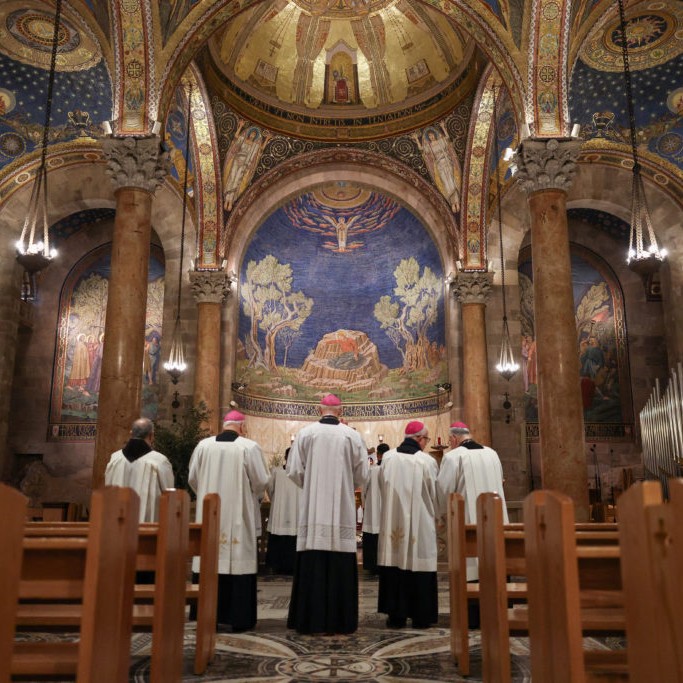
On Palm Sunday, Israeli police prevented Latin Patriarch Cardinal Pierbattista Pizzaballa and the head of the Custos in the Holy Land from entering the Church of the Holy Sepulchre for a private Mass. Police had previously ordered major holy sites closed, citing the Iran war, frequent missile fire on Jerusalem, narrow Old City alleys, and a lack of nearby shelters.
The Latin Patriarchate of Jerusalem condemned the move as “a manifestly unreasonable and grossly disproportionate measure.” Spokesperson Farid Jubran said the church had been holding small, nonpublic Masses since the Iran conflict intensified on February 28 and saw no reason this service should be treated differently. “It’s a very, very sacred day for Christians, and in our opinion, there was no justification for such a decision or such an action,” he said.
The strained relationship between Netanyahu (and Trump) and the Catholic Church is now at an all-time low. Israeli police blocked Cardinal Pizzaballa (the Jerusalem Patriarch & potential future papal candidate) from entering the Church of the Holy Sepulchre for Palm Sunday mass.… pic.twitter.com/QFSuX86ZBQ
— Annibale (@Annibal97783312) March 30, 2026
With the church closed, Pizzaballa celebrated Mass at nearby St. Savior’s Monastery, which is adjacent to an underground music school designated as a safe shelter. Later, he led a prayer for peace at the Dominus Flevit Shrine on the Mount of Olives. At the Vatican, Pope Francis prayed for Christians in the Middle East who he said are living through an “atrocious” conflict and, in many cases, cannot fully observe the rites of Holy Week.
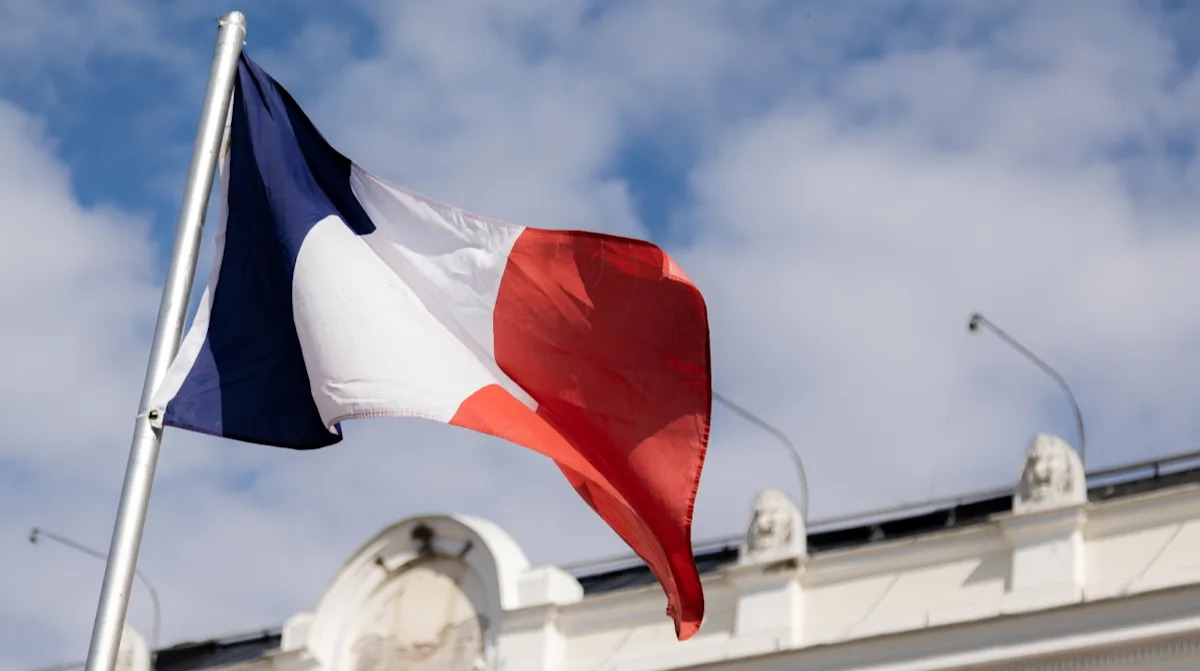
The incident drew sharp criticism from several of Israel’s closest partners. U.S. Ambassador Mike Huckabee called it “an unfortunate overreach” that was difficult to justify, noting the planned gathering was well below Israel’s 50-person limit for civilian events. French President Emmanuel Macron warned of a “concerning increase in violations of the status of the Holy Sites in Jerusalem,” while Italian officials across the political spectrum protested the decision and summoned Israel’s ambassador in Rome.
Israeli Prime Minister Benjamin Netanyahu said there was no “malicious intent” behind the restrictions and framed them as a security necessity. He announced that Israel’s security services were working on a plan to allow church leaders to worship at the site during Holy Week. Authorities noted that the Western Wall is also mostly closed, and that only smaller houses of worship within a safe distance of shelters, with gatherings of fewer than 50 people, are currently allowed to operate.
What It Means for You
The confrontation highlights how regional conflicts, including the Iran war and the ongoing war in Gaza, are affecting religious life far beyond the battlefield. For many in the United States and Europe, it raises questions about how Israel balances security concerns with commitments to protect access to holy sites.
In the coming days, observers will be watching whether Israeli authorities modify restrictions ahead of Easter and how the Vatican, Washington, and European capitals respond. The outcome will shape future pilgrimage plans, diplomatic ties, and broader debates over religious freedom in conflict zones.
How do you think governments should balance urgent security concerns with protecting access to major religious sites during times of war?
Sources
- Associated Press report by Melanie Lidman and Nicole Winfield published by PBS NewsHour, March 29, 2026.
- Statements from the Latin Patriarchate of Jerusalem and spokesperson Farid Jubran as reported in the same article.
- Public remarks from Israeli Prime Minister Benjamin Netanyahu, U.S. Ambassador Mike Huckabee, French President Emmanuel Macron, and Italian Premier Giorgia Meloni as quoted in the same article.