Why This Matters
A lightning-fast heist at a rural Italian museum has stripped it of three paintings by Auguste Renoir, Paul Cezanne, and Henri Matisse, works collectively worth millions of dollars, according to police. The theft highlights how even well-known collections outside major cities can be vulnerable to organized criminal groups.
Renoir, Cezanne, and Matisse are central figures in European art history, and their paintings are considered part of a shared global cultural heritage. When works like these disappear into the black market, they are often lost to public view for years, if not decades.
The Parma theft also fits into a broader pattern. In recent years, European authorities have confronted a series of high-profile museum crimes, including an October incident in which thieves stole jewels and other items valued at about $101 million from the Louvre in Paris, according to previous official and media reports. Investigators now face the challenge of recovering art that cannot easily be sold on the open market.
Key Facts and Quotes
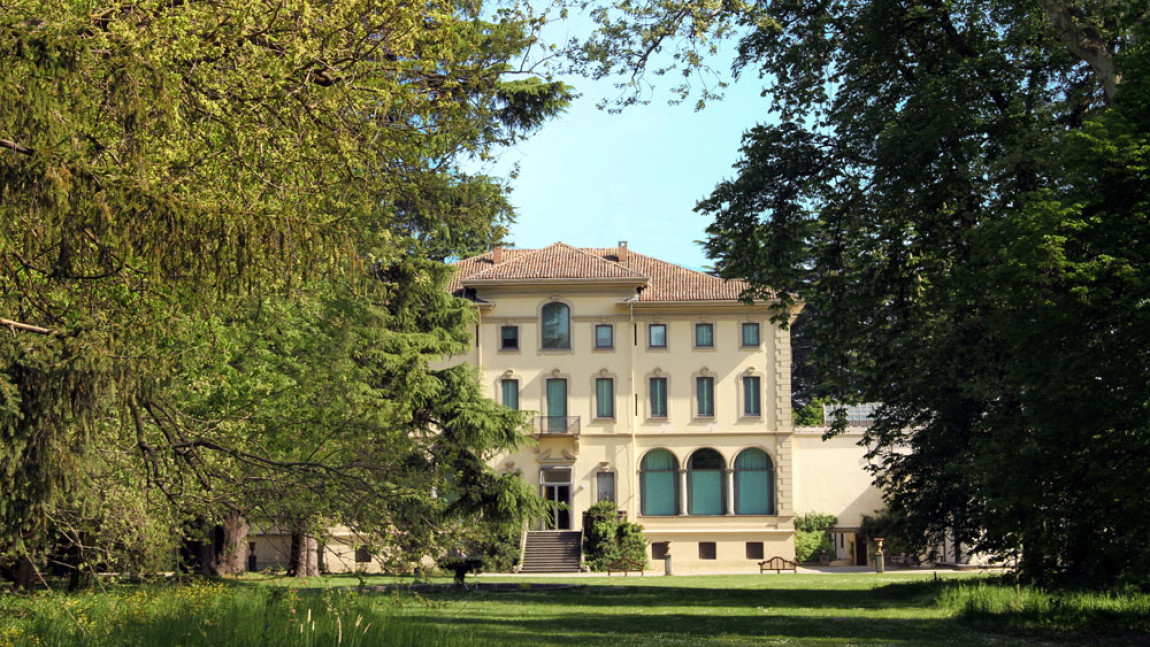
Italian police said the break-in occurred overnight between March 22 and 23 at the Magnani Rocca Foundation, a private museum housed in a historic villa about 12 miles outside Parma in northern Italy. Officers said the thieves forced open the entrance door to gain access.
The stolen paintings were identified as “Fish” by Auguste Renoir, “Still Life with Cherries” by Paul Cezanne, and “Odalisque on the Terrace” by Henri Matisse. Local media reports cited by national outlets said the thieves were inside the building for less than three minutes before escaping across the museum gardens, with the alarm interrupting the theft.
ITALY ART HEIST: Thieves made off with three paintings by Renoir, Cezanne, and Matisse worth millions of euros from a museum near the city of Parma in northern Italy, police said on Monday. MORE: https://t.co/P4W1X6XUj7 pic.twitter.com/iuqc8HJTb0
— NEWSMAX (@NEWSMAX) March 30, 2026
According to those local reports, the museum believes the robbery was carried out by a “structured and organized gang,” suggesting advance planning and knowledge of the collection. As of Monday, there were no immediate reports of arrests, and the museum, which is normally closed on Mondays, had not issued a public statement.
Founded in 1977, the Magnani Rocca Foundation preserves the collection of art historian and collector Luigi Magnani. In addition to the stolen works, the museum holds pieces by Albrecht Dürer, Peter Paul Rubens, Anthony van Dyck, Francisco Goya, and Claude Monet, making it a significant but relatively secluded destination for art lovers.
What It Means for You
For travelers and museum visitors, the case is a reminder that important artworks are often housed in smaller regional institutions, not just in world-famous museums. In response to incidents like this, museums may tighten security, which can mean more bag checks, restricted access to certain rooms, or higher insurance costs that eventually show up in ticket prices.
For the broader public, the key question is whether these paintings can be recovered. High-profile works by major artists are difficult to sell through reputable dealers or auction houses, so stolen art sometimes circulates for years in underground networks. Authorities typically rely on international databases, customs checks, and tips from the art market to locate missing works, meaning any breakthrough in this case could take considerable time.
How do you think museums should balance open public access to great art with the growing pressure to invest in tighter security?
Sources
- Associated Press report carried by CBS News, March 30, 2026.
- Statements attributed to Italian police and local media, as cited in that coverage.
- Publicly available background on the Magnani Rocca Foundation and its collection as of March 2026.