TL;DR
A U.S. Homeland Security investigator used a small clue in a bedroom wall photo to trace and rescue a 12-year-old girl from years of hidden abuse.
Why This Matters
This case highlights how even the most hidden online crimes can leave real-world traces. Investigators say images of child sexual abuse are increasingly traded on the so-called dark web, an encrypted part of the internet designed to hide users’ identities. That makes it harder for law enforcement to find victims and their abusers, even when the material is clearly illegal.
The story of “Lucy” – a pseudonym for a girl first seen in abuse images at age 12 – shows both the scale of the problem and the painstaking work required to intervene. It also underlines ongoing debates over how much responsibility technology companies have to help identify and protect child victims while balancing privacy and data rights.
For readers, the case is a stark reminder that behind every image or message traded online is a real child, a real family, and years-long consequences. As more of daily life moves onto digital platforms, the tools and cooperation needed to keep children safe will only become more important in global news and policy discussions.
Key Facts & Quotes
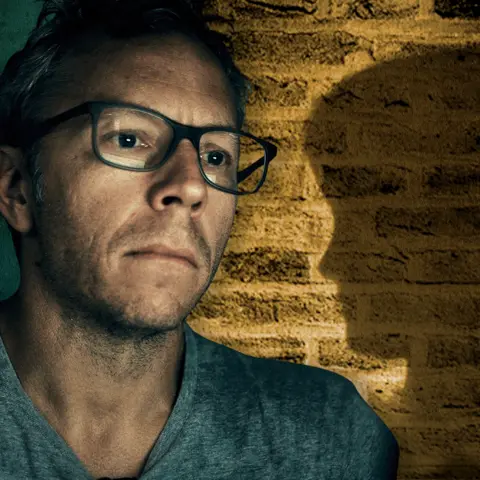
According to an investigation by a major British public broadcaster, specialist online investigator Greg Squire of U.S. Homeland Security Investigations (HSI) first encountered Lucy in images circulating on the dark web. The material showed a girl being abused in what appeared to be her bedroom. The abuser, the report says, carefully cropped and edited the photos to remove faces, windows, and other obvious identifiers.
Squire’s unit, part of the Department of Homeland Security, focuses on identifying children shown in abuse material and locating them in the real world. In Lucy’s case, the team first examined every detail in the photos: electrical sockets suggested she was somewhere in North America; a sofa visible in some frames was traced to a regional furniture line, reducing the pool of potential buyers but still leaving tens of thousands of addresses across 29 U.S. states.
“At that point in the investigation, we’re still looking at 29 states here in the U.S. I mean, you’re talking about tens of thousands of addresses, and that’s a very, very daunting task,” Squire recalled in the documentary.
Investigators then turned to something most viewers might overlook: an exposed brick wall behind Lucy’s bed. The broadcaster reports that a U.S. brick expert, factory worker John Harp, was shown a treated image of the wall and was able to identify the type of brick and likely production region, sharply narrowing the search area.
Specialist online investigator Greg Squire noticed an exposed brick wall in a bedroom that helped rescue a girl from abuse
Find out how she was saved: https://t.co/iSXRqtguWc pic.twitter.com/XSlTBKZRQd
— Qaisar Ali 🇵🇰 (@QaisarAli211137) February 17, 2026
The film crew followed Squire and parallel investigative units in Portugal, Brazil, and Russia over five years, documenting other cases, including the rescue of a kidnapped Russian child and the arrest of a Brazilian man accused of running several large child-abuse forums on the dark web. Squire has said Lucy’s case, which he worked on early in his career when his own daughter was a similar age, helped cement his commitment to this work.
Now an adult, Lucy told filmmakers she had been silently praying that someone would notice the images and come to help her. Her rescue, the report suggests, ultimately depended less on advanced software than on human attention to small, easily missed physical details.
What It Means for You
For parents and grandparents, this story reinforces how abuse can happen in seemingly ordinary homes yet be broadcast worldwide through hidden online networks. It also shows why investigators say even small pieces of information – a wall, a toy, a regional product – can be vital leads, and why tips from the public sometimes matter as much as sophisticated technology.
The case may add pressure on technology firms and lawmakers to clarify what tools platforms should use to detect child abuse material and how they should work with law enforcement. Readers can watch for future debates over encryption, facial recognition, and data sharing, which could affect both child safety and personal privacy. Community-level awareness, strong reporting channels, and practical digital safety conversations with children remain central to prevention.
What safeguards or policies do you think are most important to protect children from online abuse while still respecting personal privacy and civil liberties?
Sources: Major British public broadcaster, investigative feature on dark web child-rescue operations, published Feb. 16, 2026; U.S. Department of Homeland Security, public descriptions of Homeland Security Investigations and its child exploitation units (accessed 2024).