Why This Matters
Fighting involving Iran, Israel, U.S. forces, and regional militias is intensifying, and so is the pressure on global energy markets. President Donald Trump is again threatening to hit Iranian power plants and other civilian infrastructure, even as he insists a deal to end the war could come soon, according to CBS News.
Donald Trump warns of massive strikes on Iran’s energy infrastructure if no deal is reached. Oil wells, power plants & Kharg Island in focus.
Markets are reacting fast — especially oil.
📊 Volatility isn’t coming… it’s already here.#Trump #Iran #OilMarket #Forex #BreakingNews pic.twitter.com/CyVBPgEKly
— Pips Insights Trader (@Pipsinsights_14) March 30, 2026
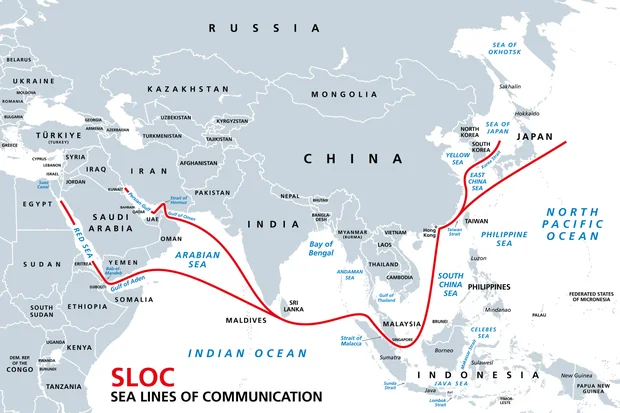
The conflict now stretches from Israel and Lebanon to the Red Sea and the Persian Gulf, areas that are critical for world oil and shipping. Any disruption near the Strait of Hormuz or key desalination and power facilities risks higher prices for fuel, food, and manufactured goods far beyond the Middle East.
At the same time, the death of more U.N. peacekeepers, NATO’s interception of an Iranian missile headed toward Turkey, and ongoing attacks by Iranian-backed groups highlight the risk of a broader, more complex war. How leaders respond in the coming days could shape security and economic conditions for years.
Key Facts and Quotes
Trump has publicly threatened again to strike Iranian power plants and other infrastructure while also talking up prospects for a quick deal, CBS News reported. He has repeated his desire to “take the oil in Iran,” suggesting U.S. ground forces could be used to seize energy facilities. He also claimed there has been “total regime change” in Iran and that an agreement could be reached “soon,” without providing details.
Hundreds of U.S. special operations forces are now in the Middle East, according to the same reporting, as Washington increases pressure on Tehran. Iranian officials have warned they are waiting for the arrival of U.S. forces “to set them on fire and punish their regional partners forever,” language that underscores the high risk of direct clashes.
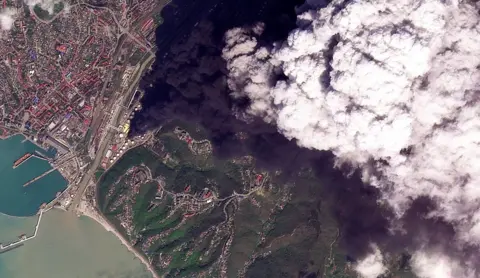
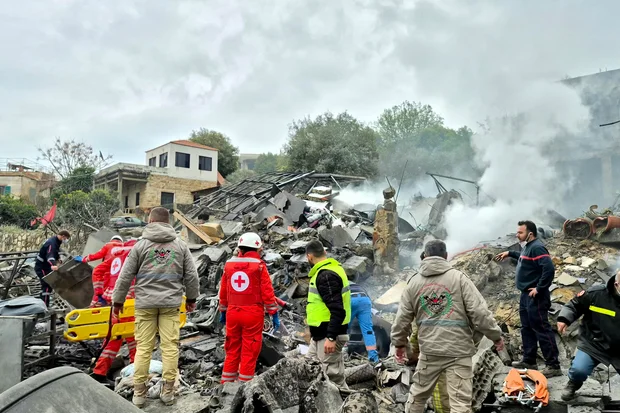
Iran and its allied groups, including Hezbollah in Lebanon and the Houthis in Yemen, continue to launch missiles and drones at Israel and Persian Gulf states. Explosions were reported around oil infrastructure in the northern Israeli city of Haifa. In Kuwait, officials said a drone strike killed a worker and caused serious damage to a desalination plant, raising fresh alarm over the vulnerability of civilian facilities.
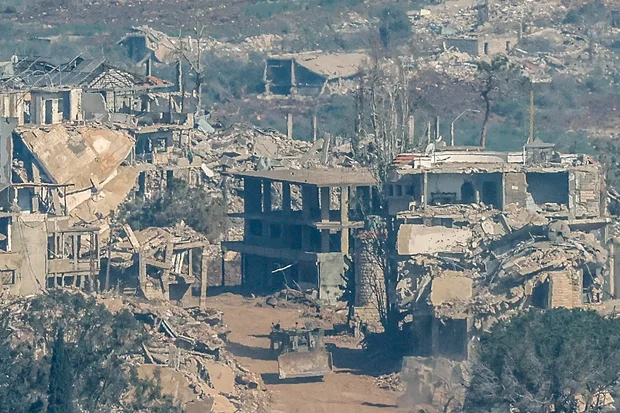
The United Nations Interim Force in Lebanon (UNIFIL) said two more peacekeepers were killed and a third wounded in southern Lebanon over the past 24 hours as fighting expanded. NATO officials confirmed that allied forces intercepted an Iranian missile heading toward Turkey, emphasizing their readiness to defend member territory. In a separate appeal, Egypt’s president urged Trump to “help stop the war” in the Middle East, telling him, “You are capable of it,” CBS News reported.
What It Means for You
Energy markets are already reacting. Brent crude briefly spiked to about $115 per barrel before easing, while stock prices rose on Trump’s optimistic talk about a possible deal, according to CBS News. For U.S. households and retirees, sustained volatility could mean higher gasoline and heating costs and more swings in retirement accounts tied to global markets.
Looking ahead, key questions include whether Washington and Tehran move toward talks or deeper confrontation, and how far attacks on energy and water infrastructure will go. Developments around the Strait of Hormuz, Israel’s northern front with Lebanon, and NATO’s posture on its southern flank will be important signals for both global security and everyday economic pressures.
How do you think events in the Middle East should shape U.S. decisions on energy policy and military engagement?
Sources
- CBS News live updates on Iran war and regional fighting, March 30, 2026.
- Statements from the United Nations Interim Force in Lebanon (UNIFIL), NATO officials, Kuwaiti authorities, and the Egyptian presidency, as reported by CBS News.