
Why This Matters
Global oil prices jumped again on Monday, with Brent crude briefly trading above $115 a barrel before easing, as tensions around the Iran war and threats over the Strait of Hormuz rattled energy markets. At the same time, U.S. stocks recovered some ground after weeks of losses.
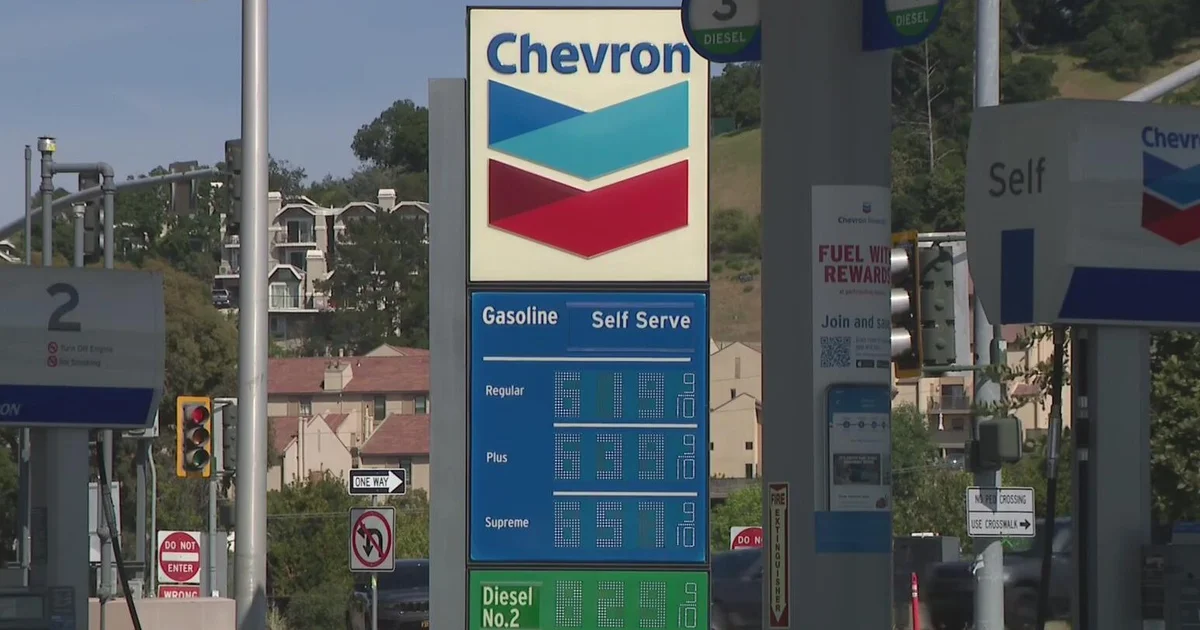
Oil is a backbone cost for the world economy. Sustained prices above $100 a barrel tend to feed into higher gasoline, heating, and transportation costs, which can push inflation higher and strain household budgets, especially for drivers and small businesses that depend on fuel.
The Strait of Hormuz, a narrow waterway off Iran’s coast, is one of the most important oil shipping lanes on the planet. Any threat to close or disrupt it can quickly push up energy prices worldwide and unsettle financial markets, from retirement accounts to corporate borrowing.
Key Facts and Quotes
Brent crude, the international benchmark, rose to $115 a barrel on Monday before pulling back to $107.95, according to data cited from Oilprice.com and FactSet. West Texas Intermediate, the main U.S. benchmark, climbed about 2% to $101.70, keeping both key gauges above the psychologically important $100 mark.
The spike followed new threats from President Donald Trump that the United States could destroy key Iranian infrastructure, including power plants and oil wells, if the Strait of Hormuz is not reopened. In the same social media post, he also pointed to “great progress” in negotiations with Iran, comments that markets weighed carefully.
Despite the oil surge and ongoing conflict, stocks moved higher. The S&P 500 was up about 0.6% in early trading, after just having its worst week since the war with Iran began. The Dow Jones Industrial Average rose roughly 381 points, or 0.85%, and the Nasdaq composite gained about 0.3%.
Dow jumps 200 points, Brent crude oil sees wild swings as it heads for record monthly surge US stocks jumped Monday morning while oil prices went on a wild ride as President Trump signaled a possible end to the war in Iran – but the vital Strait of Hormuz… https://t.co/C9YLFL0Gh4 pic.twitter.com/XnaVnpriGX
— NahBabyNah (@NahBabyNahNah) March 30, 2026
Those gains followed a sharp pullback in major indexes. The S&P 500 finished last week around 7.4% below its record high from January, while the Dow and Nasdaq were more than 10% below their peaks, a drop professional investors refer to as a “correction,” meaning a fall of at least 10% from a recent high.
“Stocks continue to fight an uphill battle against oil prices and political uncertainty,” Chris Larkin, managing director of trading and investing at E*TRADE from Morgan Stanley, said in an email. He added that history shows many geopolitical shocks have “a relatively short-lived impact” on markets, but without a clear path to ending the Iran war, volatility is likely to persist.
What It Means for You
If oil prices remain elevated, consumers may see higher costs at the gas pump and on utility bills, as well as higher airfares and shipping costs. That can eat into disposable income and keep pressure on overall inflation, which influences everything from wage demands to interest-rate decisions.
For investors, the latest update underscores how quickly markets can swing when geopolitical risks collide with economic concerns. Financial advisers often stress diversification, a long-term time horizon, and avoiding emotional decisions during corrections. Watching developments in the Iran conflict, global oil supply routes, and official economic data will be key in the weeks ahead.
How do you balance reacting to fast-moving news about oil and geopolitics with staying focused on your longer-term financial and household plans?
Sources
- CBS News MoneyWatch report by CBS/AP, March 30, 2026.
- Market price data referenced from Oilprice.com and FactSet, March 30, 2026.
- Public social media statements by President Donald Trump regarding Iran and the Strait of Hormuz, March 30, 2026.
- Commentary email from Chris Larkin of E*TRADE from Morgan Stanley, March 30, 2026.