Why This Matters
The quiet buildup of U.S. Special Operations forces, Marines, and Army paratroopers in the Middle East signals a rapidly widening military footprint as the U.S. and Israel-led war against Iran enters its fifth week. While the Pentagon has not publicly detailed the deployments, the presence of elite units suggests Washington wants credible options ready if diplomacy fails.
The deployments come as the Strait of Hormuz, a narrow waterway off Iran’s coast, remains disrupted. Roughly a fifth of the world’s seaborne oil typically flows through this chokepoint, and any prolonged closure risks higher energy prices, global market turmoil, and pressure on consumer fuel costs in the United States.
The situation also raises the stakes for U.S. service members and their families. A larger footprint close to Iran’s shores increases both deterrence and the risk of direct confrontation, even as Washington publicly insists negotiations are still underway.
Key Facts and Quotes
According to sources familiar with the deployments, hundreds of U.S. Special Operations Forces, including Navy SEALs and Army Rangers, are now positioned somewhere in the Middle East. Those sources told CBS News the units are intended to give President Trump military options for operations involving Iran.
The same sources said potential options discussed include efforts to reopen the Strait of Hormuz, operations targeting oil infrastructure on Iran’s Kharg Island, and actions to seize or destroy Iran’s stockpile of enriched uranium. U.S. Central Command, which oversees military operations in the region, declined to comment on the reported deployments or potential missions.
CBS News reported that more than 3,500 U.S. troops recently arrived in the region, including the USS Tripoli carrying about 2,500 Marines, as air and missile strikes in the Iran war intensified. A second Marine Expeditionary Unit is en route, and elements of the Army’s 82nd Airborne Division, reportedly fewer than 1,500 soldiers, are also expected to deploy.
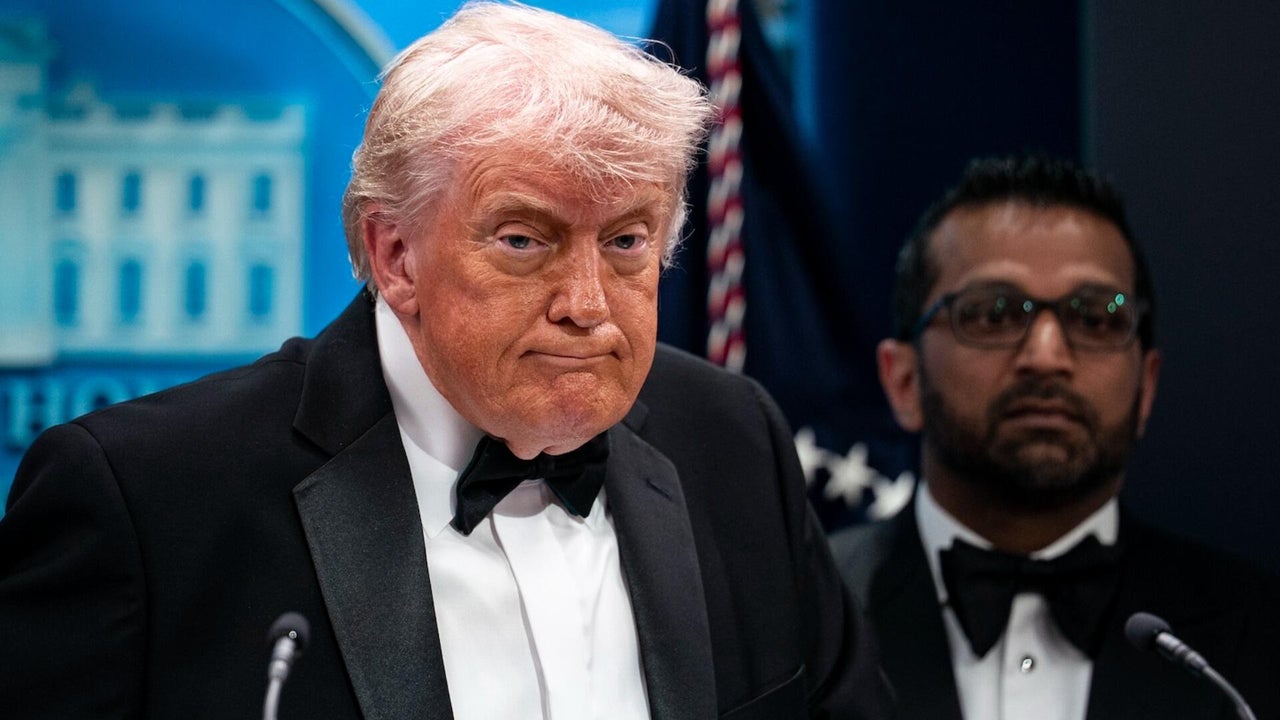
On Monday, President Trump wrote on Truth Social that his administration was “continuing to negotiate with Iran” and expressed optimism that a deal could soon end the war launched by the U.S. and Israel on February 28. In the same post, he warned that if a deal “is not shortly reached” and the Strait of Hormuz is not opened, the United States would attack Iran’s “Electric Generating Plants, Oil Wells and Kharg Island (and possibly all desalinization plants!), which we have purposefully not yet ‘touched.'” Iranian officials, for their part, have publicly denied that direct talks are underway and have dismissed a reported 15-point U.S. ceasefire proposal as “excessive and unreasonable.”
What It Means for You
For Americans, the latest troop movements are likely to be felt first through the economy and energy markets. Any escalation that further disrupts shipping near Iran could pressure global oil supplies, with potential effects on gasoline prices, inflation, and retirement savings tied to market swings.
Many central bankers, economists, and investors believe that interest rates will rise if the war in Iran drags on or escalates further (with US troops entering).
But is it really that likely?
Based on the willingness of central banks to restore their lost credibility, perhaps… pic.twitter.com/eqWlWXJDi7
— jeroen blokland (@jsblokland) March 30, 2026
The buildup also underscores that the U.S. is committing more personnel and equipment to a conflict that could broaden or prove difficult to wind down. Families with loved ones in the military and voters watching how Washington exercises its war powers and diplomacy may see this as an early test of how far the United States is willing to go in confronting Iran.
As the Iran war and U.S. troop buildup evolve, what developments in the region will you be watching most closely in the weeks ahead?
Sources
- CBS News reporting by Jennifer Jacobs, March 30, 2026.
- New York Times report on U.S. Special Operations deployments to the Middle East, as cited by CBS News, March 29, 2026.
- Public Truth Social posts and statements by President Donald Trump, March 30, 2026.
- Statements attributed to unnamed Iranian officials as reported by CBS News, March 30, 2026.