Why This Matters
British authorities say they intercepted nearly $100 million worth of cocaine hidden in a container of bananas, then charged three men in connection with the shipment. The haul, discovered at the port of Southampton, underlines how routinely global food supply chains are targeted by drug traffickers.
Large seizures like this one show the scale and sophistication of the international cocaine trade, which stretches from producers in Latin America to consumers across Europe. Ports that handle everyday goods are now front-line sites in efforts to limit the flow of illegal drugs.
The case also follows what officials have described as record-breaking cocaine seizures in the United Kingdom and similar discoveries in banana shipments in several other countries. Together, these incidents point to a persistent smuggling tactic and an ongoing challenge for customs and border agencies worldwide.
Key Facts and Quotes
Three suspects, Joshua Berry, 28, Daniel Dumitru, 37, and Andrew Smyth, 46, have been charged after the discovery, according to the UK’s National Crime Agency. All were arrested in Southampton and are next scheduled to appear in court on April 17. They remain presumed innocent unless and until proven guilty in court.
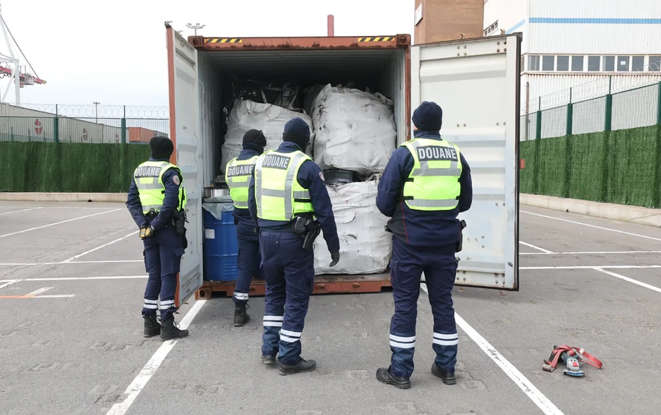
The arrests stem from a seizure earlier in March at Southampton Docks, where border officers found more than 2,000 pounds, or about 1 US ton, of cocaine hidden inside a shipping container loaded with bananas. Officials say the container arrived from Panama and that the voyage originally began in Nicaragua. They estimate the cocaine’s street value at roughly 75 million British pounds, or about 98.9 million US dollars.
Under UK sentencing guidelines, importing large quantities of Class A drugs such as cocaine can carry a maximum penalty of life in prison if a person is convicted. Authorities say the charges are part of a wider National Crime Agency investigation into the group believed to be behind the shipment.
“This is a massive amount of cocaine which was destined for the streets of the UK,” Saju Sasikumar, a National Crime Agency branch commander, said in an official statement. “Seizing these drugs deprives the crime group behind the importation of huge profits that cannot be ploughed back into further offending.” Officials note that using banana shipments to conceal cocaine has been seen repeatedly in recent months in countries including Russia, Norway, the Dominican Republic, Greece, Bulgaria, and the UK. In February 2024, British authorities reported finding more than 12,500 pounds of cocaine in bananas at the same port, then described as the country’s largest single seizure of hard drugs.
What It Means for You
For the public, the case is a reminder that international drug trafficking often moves through ordinary commercial channels, including shipments of everyday groceries. Efforts to stop these cargoes can lead to tighter port inspections, higher security costs, and potential delays in global trade that may eventually affect prices and supply.
Looking ahead, observers will be watching the court proceedings in April and any further arrests linked to this investigation. The outcome could shape how British and international agencies coordinate on port security, maritime trafficking, and the broader fight against organized crime networks that move drugs across continents.
What do you think is the most effective way for countries to strengthen port security without putting too much strain on global trade?
Sources
- CBS News report by Emily Mae Czachor, March 30, 2026.
- National Crime Agency statements on Southampton cocaine seizure, March 2026.
- UK Sentencing Council guidance on drug offences, accessed March 2026.