Why This Matters
The war with Iran is driving up global oil prices, which in turn are raising the cost of gasoline, diesel, and heating fuel across the United States. According to a new analysis from CBS News, everyone from commuters and food delivery drivers to farmers and the U.S. Postal Service is feeling the strain.
Because oil is traded globally, disruptions in a key producing region can push up prices everywhere, regardless of where a particular gallon of fuel is produced. The Strait of Hormuz, a narrow channel between the Persian Gulf and the Gulf of Oman, is especially important; U.S. government energy analysts estimate that roughly one-fifth of the world’s oil supply normally passes through it.

Higher fuel costs can ripple through the broader economy. More expensive diesel affects the trucks, trains, and ships that move goods, while rising heating oil prices can pressure household budgets, especially in colder parts of the country that rely on oil-fired furnaces.
Key Facts and Quotes
The CBS News MoneyWatch report, published March 27, says the war with Iran is “pushing up oil and gas prices,” creating widespread financial strain on U.S. motorists and businesses. Analysts cited in the report say prices are likely to remain elevated until shipping through the Strait of Hormuz returns closer to normal.
The Strait of Hormuz is a critical chokepoint for oil transit. The U.S. Energy Information Administration, or EIA, has estimated that about 20% of the world’s oil flows through the passage in a typical year. In earlier studies of similar routes, the agency has warned that “disruptions to transit chokepoints can lead to substantial oil price increases,” underscoring why any prolonged interruption matters for global energy costs.
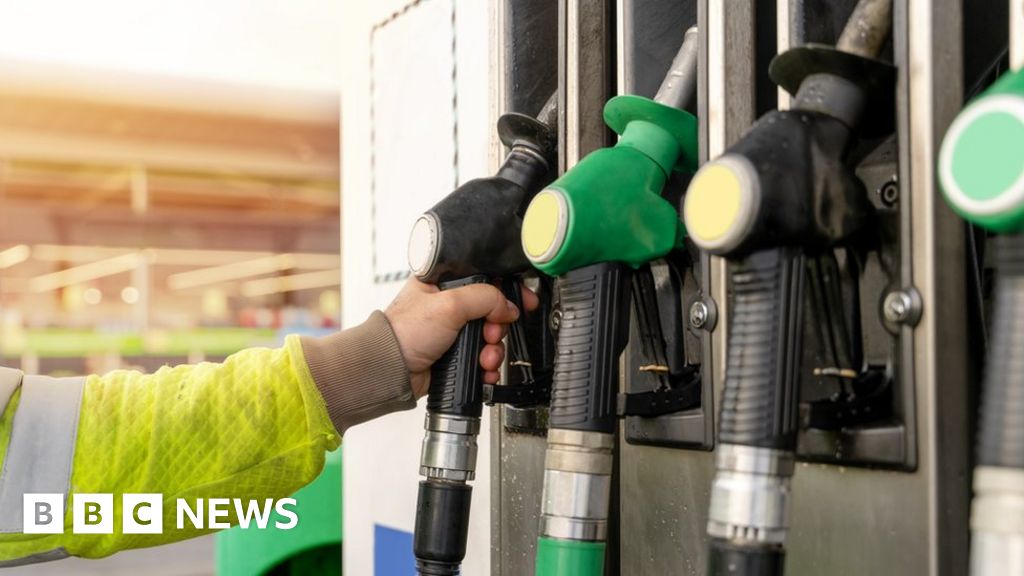
Gasoline prices are rising across the United States, with California remaining among the most expensive states because it relies heavily on imported oil and has higher state fuel taxes. CBS News notes that diesel, which powers freight trucks, boats, and trains, has climbed even faster than regular gas, in part because diesel supplies were already tight before the conflict began.
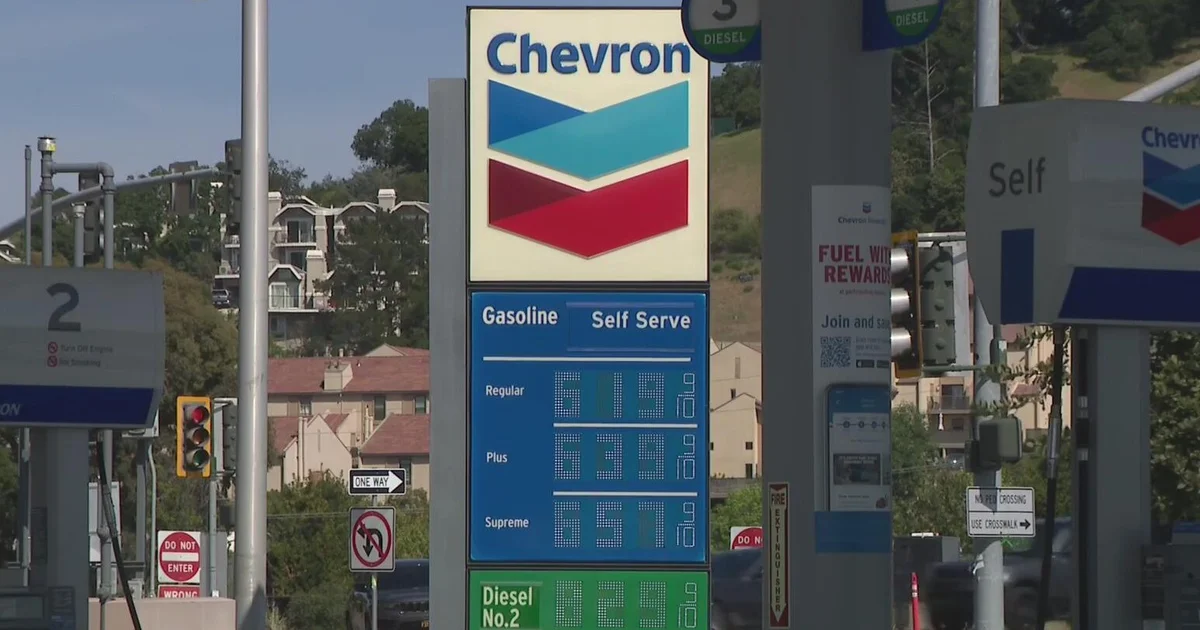
Oil itself typically makes up about half the cost of a gallon of gasoline, with the rest coming from refining, taxes, and distribution and marketing, according to EIA background materials. The agency states that “crude oil prices are the largest driver of what Americans pay at the pump.” Seasonal patterns also play a role: demand usually rises in warmer months as more people travel, and refiners switch to summer fuel blends. Residential heating oil prices are also beginning to move higher in response to the conflict-related jump in crude prices.
What It Means for You
For many households, higher fuel prices translate directly into more expensive commutes, road trips, and deliveries. People who drive long distances, live in rural areas, or depend on heating oil for home warmth can feel the impact quickly. Businesses with thin margins, such as small trucking firms and farms, may raise prices or add fuel surcharges, which can increase the cost of groceries and other everyday goods.
In the weeks ahead, developments in the Iran conflict and efforts to protect or reopen key shipping lanes will heavily influence where prices go from here. Consumers may want to monitor local gas and diesel averages, watch for notices from utilities or heating oil providers, and follow any state or federal actions, such as temporary fuel tax changes or releases from strategic reserves, that are sometimes used during major energy disruptions.
As the war in Iran pushes U.S. gas prices toward $4 a gallon nationally, some lawmakers are pushing to suspend the federal gasoline tax in the latest attempt to try to control surging energy costs: https://t.co/kBd8YUA1y0 pic.twitter.com/QNFh89Bgtp
— Local 12/WKRC-TV (@Local12) March 30, 2026
As you think about your own budget, what changes, if any, would you consider making if fuel and heating costs stay elevated for several months?
Sources
- CBS News MoneyWatch report by Grace Manthey on gas and oil price tracker amid the Iran war, March 27, 2026.
- U.S. Energy Information Administration, “Gasoline Explained” and gasoline price components background, 2023; U.S. Energy Information Administration, “World Oil Transit Chokepoints” report on the Strait of Hormuz, 2019.