Why This Matters
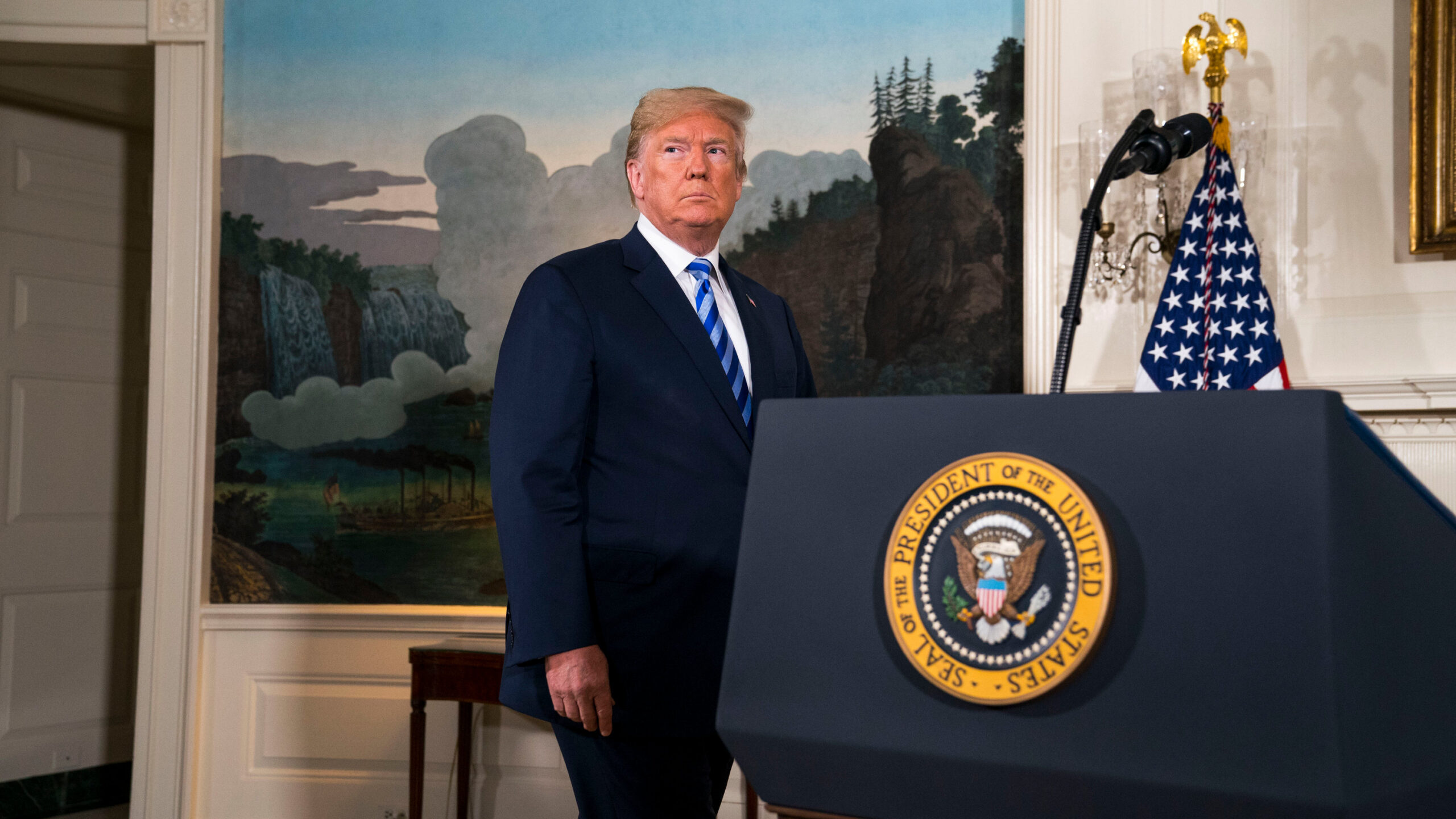
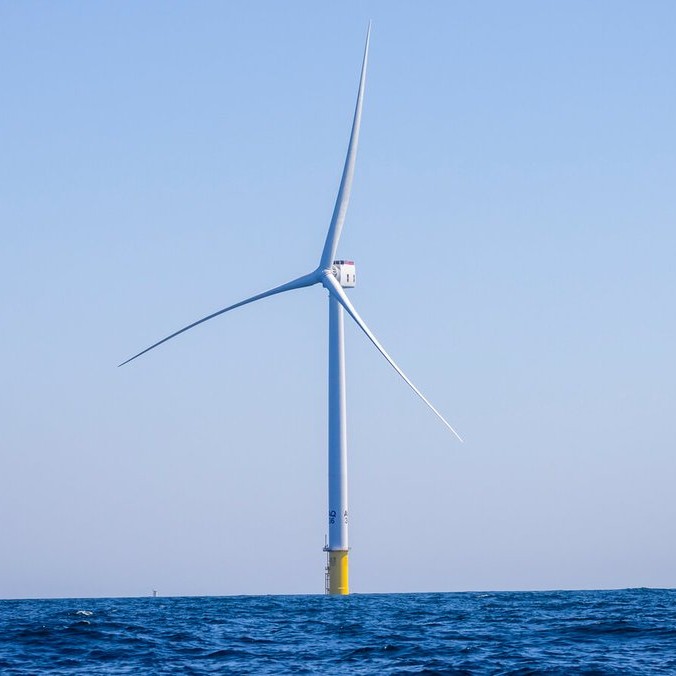
The Trump administration has agreed to pay French energy company TotalEnergies up to $1 billion to surrender two offshore wind leases off the U.S. East Coast. The move is a major setback for the country’s offshore wind ambitions and marks another sharp turn toward fossil fuels in federal energy policy.
The decision comes after the Biden administration had tried to accelerate offshore wind as a key tool to cut climate-warming emissions. Globally, offshore wind continues to grow, with China leading new installations, raising questions about whether the United States will fall behind in a fast-expanding clean energy market.
The payout also raises fiscal concerns. Critics argue that taxpayers are effectively compensating a major energy company to walk away from projects that were expected to deliver large amounts of zero-emission power to hundreds of thousands of homes along the East Coast.
Key Facts and Quotes
According to the Department of the Interior, TotalEnergies will relinquish leases for planned wind farms off North Carolina’s coast and in New York and New Jersey. In return, the company will invest in new U.S. fossil fuel projects and then be reimbursed by the government, up to the amount it paid for the leases.
TotalEnergies acquired the Carolina Long Bay lease in 2022 for roughly $133 million, with plans for more than 1 gigawatt of capacity, enough to power about 300,000 homes. A separate lease off New York and New Jersey, purchased the same year for about $795 million, was slated to deliver around 3 gigawatts, enough for nearly one million homes.
The company had already paused both projects after Donald Trump returned to the White House. In a statement, CEO Patrick Pouyanne said TotalEnergies would no longer pursue offshore wind in the United States, explaining that the firm renounced development in exchange for reimbursement of lease fees, “considering that the development of offshore wind projects is not in the country’s interest.”
The deal follows a broader push by the administration to slow or halt offshore wind development. Late last year, officials ordered construction halted on five major East Coast wind farms, citing national security concerns. Developers and several states sued, and federal judges allowed all five projects to resume, finding the government had not shown an imminent security risk. On Monday, Dominion Energy said its Coastal Virginia Offshore Wind project, one of those targeted, had begun delivering power to Virginia’s grid.
Environmental groups denounced the settlement as an effort to sidestep the courts. The Natural Resources Defense Council called it reckless to derail projects designed to help lower energy costs. Ted Kelly, clean energy director at the Environmental Defense Fund, said the proposed deals “are an outrageous misuse of taxpayer dollars to prevent Americans from having clean, affordable power exactly when they need it most.” The administration, by contrast, argues that doubling down on oil, gas, and coal will lower costs, improve reliability, and support U.S. leadership in advanced technologies.
JUST IN: 🇫🇷🇺🇸 Trump administration to pay $1 billion to TotalEnergies to cancel offshore wind farms. pic.twitter.com/52aDqBZPcn
— BRICS Monitor (@BRICStracker) March 24, 2026
What It Means for You
In the short term, most households are unlikely to see an immediate change in their power bills from this single deal. Over time, however, canceling large offshore wind projects could affect how quickly coastal states diversify their energy mix, which can influence prices, resilience during extreme weather, and local job growth in emerging industries.
The agreement also sends a signal to global investors about the stability of U.S. clean energy policy. Companies weighing multibillion-dollar offshore wind projects may demand higher returns, delay investment, or look to other countries if they see a risk that approved projects can be unwound or bought out for political reasons.
How do you think the United States should balance energy security, consumer costs, and climate goals when deciding whether to back or buy out major projects like these?
Sources
- Department of the Interior press announcement on offshore wind lease settlement, March 23, 2026.
- NPR/Associated Press reporting on the Trump administration-TotalEnergies agreement, March 23, 2026.
- Public statements from TotalEnergies, the Environmental Defense Fund, the Natural Resources Defense Council, and Dominion Energy, March 2026.
- Federal court rulings on East Coast offshore wind construction halts, December 2025-March 2026.