Why This Matters
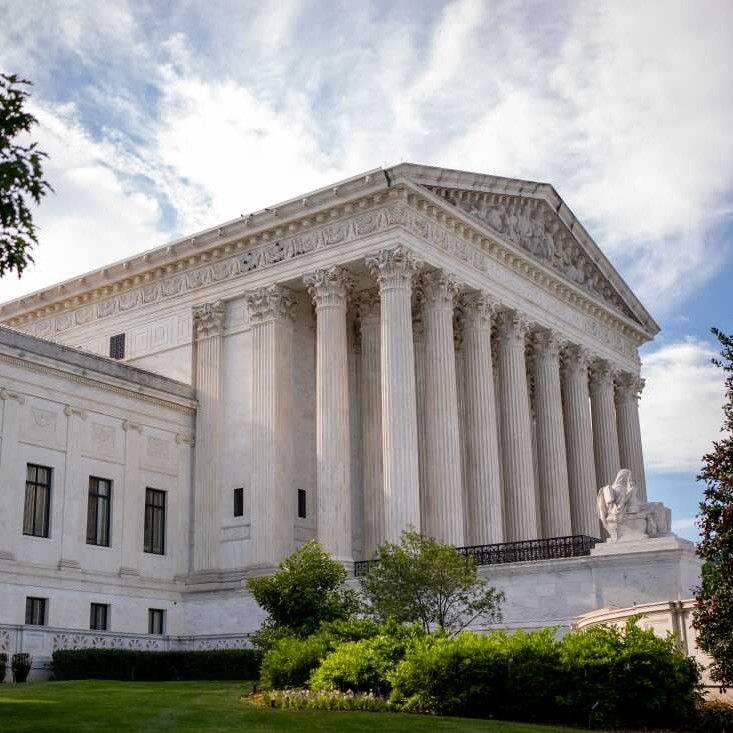
The Supreme Court is considering a Mississippi case that could end the practice in many states of counting mail-in ballots that are sent by Election Day but arrive later. The outcome could reshape how tens of millions of Americans cast their votes, especially in close races where late-arriving ballots can decide the margin.
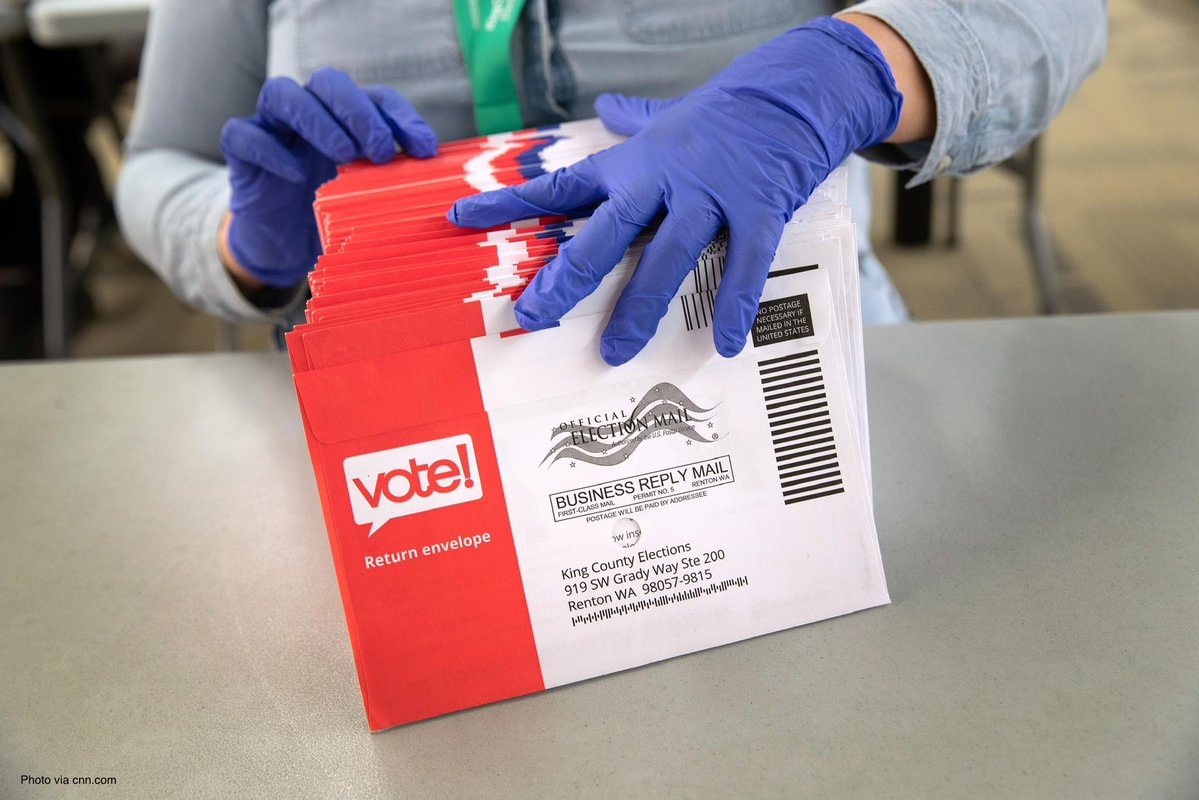
Many voters rely on the mail, including people in rural areas, older Americans, and members of the military and their families stationed away from home. In recent elections, roughly half of the states have allowed ballots to be counted after Election Day if they were postmarked on time, according to nonpartisan state election data. Changing that rule nationwide would mean more ballots risk being discarded for arriving too late, even if voters mailed them well before the election.
This case is also the latest in a series of major election-law disputes to reach the Supreme Court since 2020. The justices are again being asked how far federal courts should go in limiting or reshaping state decisions about how, and when, valid votes are counted.
Key Facts and Quotes
During arguments on Monday, the Court’s conservative majority appeared skeptical of Mississippi’s five-day grace period for counting mail ballots that are postmarked by Election Day but delivered afterward. According to NPR, similar laws exist in 29 states, which could be effectively overturned depending on how broadly the Court rules.
WASHINGTON, D.C. — The Supreme Court is hearing arguments Monday in a case from Mississippi over whether states can count late-arriving mail ballots, a target of President Donald Trump. pic.twitter.com/F2O2U5Bmhz
— The Manila Times (@TheManilaTimes) March 24, 2026
The Mississippi legislature adopted its five-day grace period in 2020 with bipartisan, nearly unanimous support. Lawmakers said they wanted to ensure that voters who followed the rules were not punished for slow mail delivery. But several conservative justices questioned whether any extension beyond Election Day is consistent with federal law that sets the date of national elections.
Justice Neil Gorsuch and Justice Amy Coney Barrett focused on the theoretical possibility that voters could “recall” ballots through the Postal Service or private carriers. Mississippi Solicitor General Scott Stewart told the Court that the state does not allow ballot recalls, but Gorsuch pushed back, saying, “FedEx isn’t an election official,” and suggesting such assurances might not be enough.
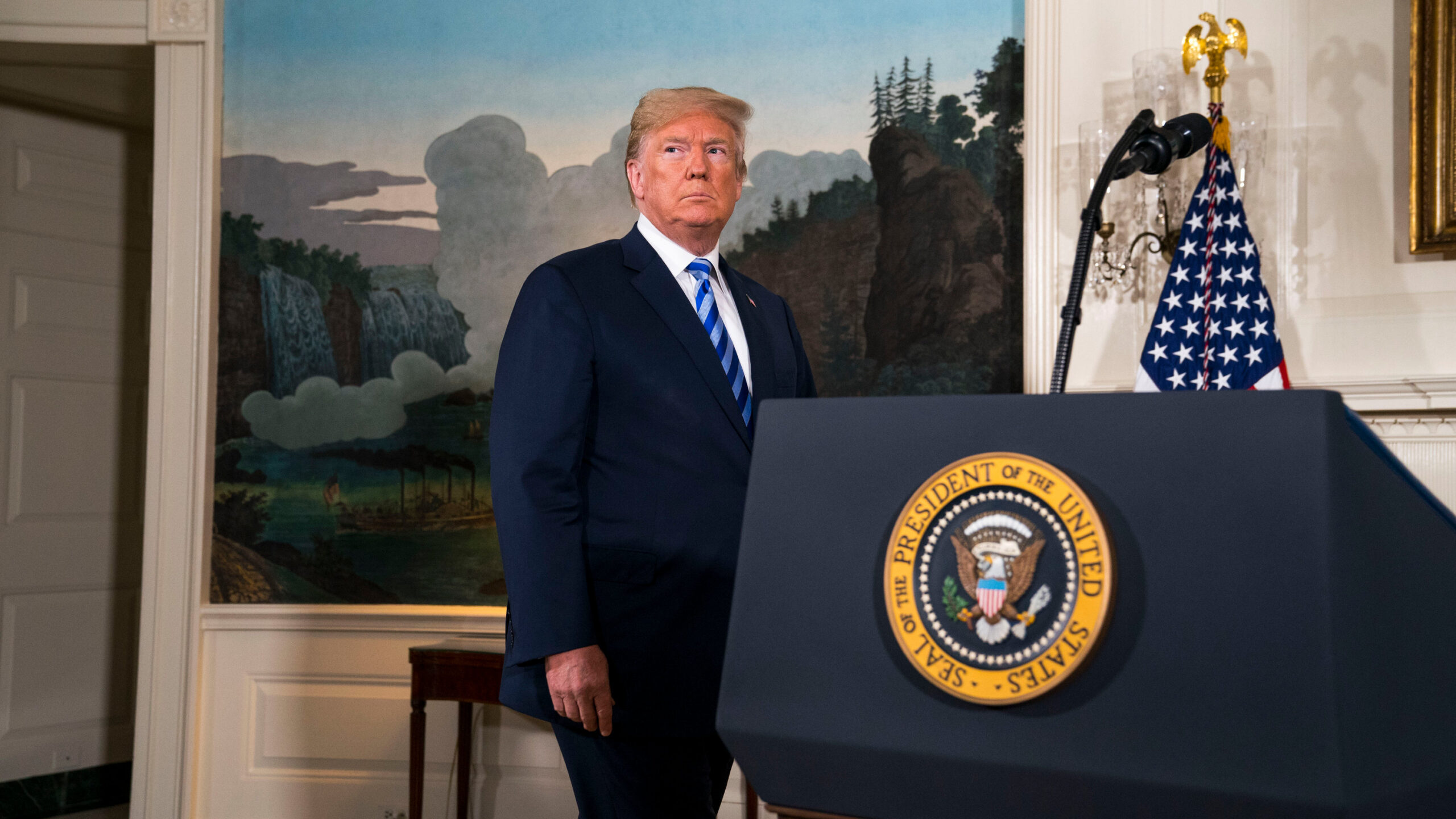
Justice Brett Kavanaugh asked whether counting ballots after Election Day, even if legally cast, could undermine public confidence in elections. Justice Clarence Thomas raised questions about how early voting fits with federal election rules. On the other side, Justice Ketanji Brown Jackson pressed why the Court should favor older voting procedures over newer ones that Congress has not barred, while Justice Sonia Sotomayor criticized what she saw as misleading arguments in the brief filed on behalf of former President Donald Trump. Trump has repeatedly claimed, without evidence, that late-counted mail ballots cost him the 2020 election; those claims were rejected by courts and election officials across the country.
A ruling against Mississippi’s law would be felt most sharply in large rural states and among overseas voters, including service members. NPR noted that Alaska could face particularly serious consequences: about 80% of its residents live off the road system, some communities lack in-person voting, and in 2022, ballots from six rural villages went uncounted because the Postal Service did not deliver them in time.
What It Means for You
The Court is expected to issue a decision by late June, in time to influence how states run the 2026 midterm elections. If the justices restrict or eliminate grace periods for late-arriving ballots, voters who rely on the mail may need to send ballots earlier, use official drop boxes, or vote in person to be sure their votes count.
For now, the rules in each state remain in place. Voters can watch for updates from state and local election officials after the ruling, and before each election, check deadlines for requesting and returning mail ballots so that changing legal standards do not unexpectedly silence their vote.
How do you think states should balance strict Election Day deadlines with ensuring that all timely mailed ballots are counted?
Sources
- NPR report by Nina Totenberg, published March 23, 2026.
- General background on state mail-ballot receipt deadlines from publicly available summaries by the National Conference of State Legislatures.