Why This Matters
The United States and Iran are exploring indirect contact after more than three weeks of open conflict, raising the possibility of a negotiated end to the fighting. A senior Iranian Foreign Ministry official said Tehran has received U.S. messages through mediators, while President Donald Trump publicly suggested a deal is within reach.
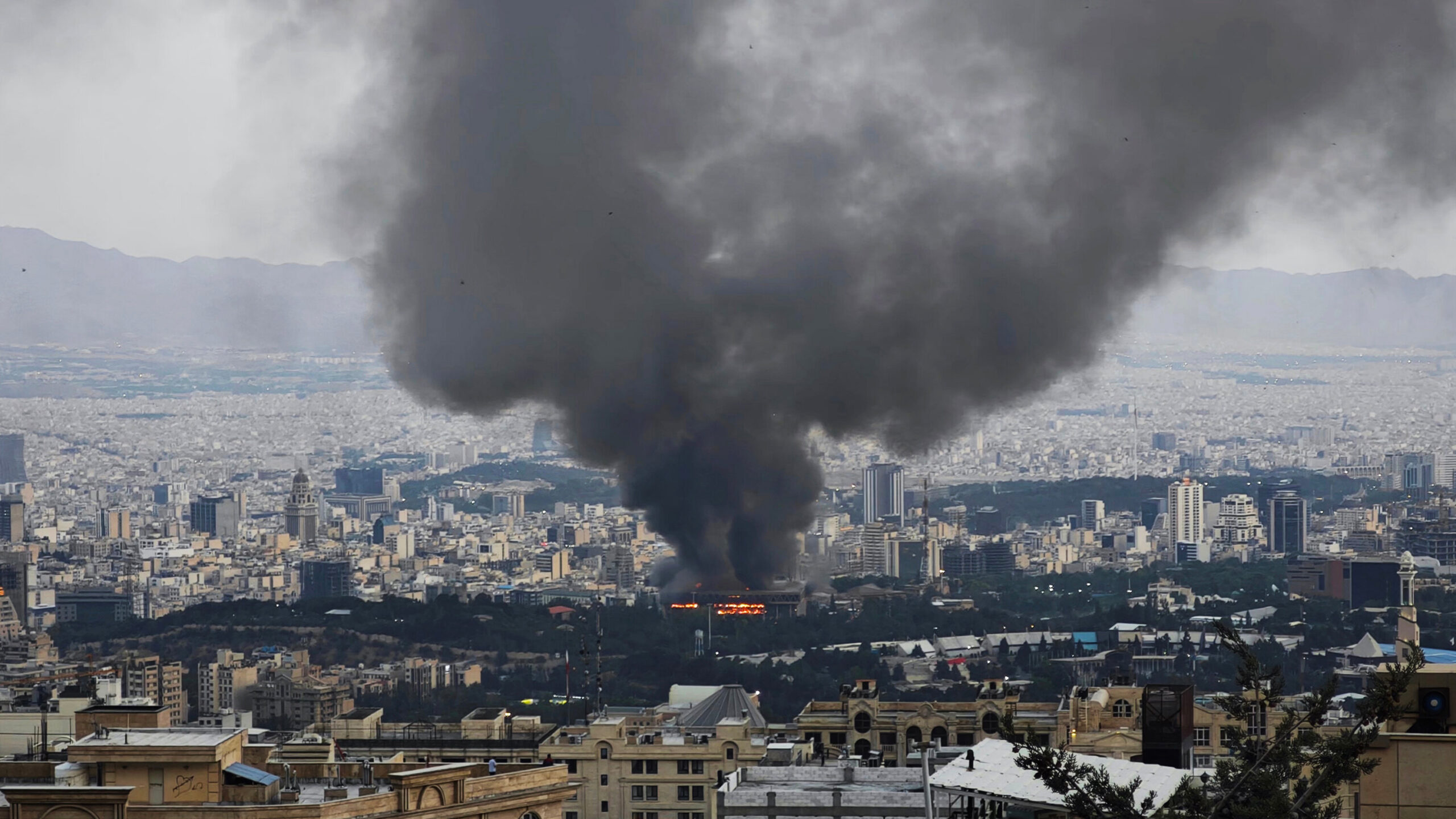
Any easing of tensions between the two long-time adversaries could quickly ripple through global energy markets, regional security, and U.S. politics. The conflict has involved strikes on Iranian targets by both the U.S. and Israel and has threatened the Strait of Hormuz, a narrow waterway that carries a significant share of the world’s exported oil.
The talks, if they materialize, would unfold against the backdrop of years of mistrust over Iran’s nuclear program and its regional activities. The outcome will help determine not only whether the current fighting stops, but also whether there is a new framework limiting Iran’s nuclear capabilities and the risk of future clashes.
Key Facts and Quotes
A senior Iranian Foreign Ministry official told CBS News that Iran “received points from the U.S. through mediators and they are being reviewed.” The messages are seen in Tehran as a potential precursor to direct or more structured talks, although no formal negotiations have been announced.
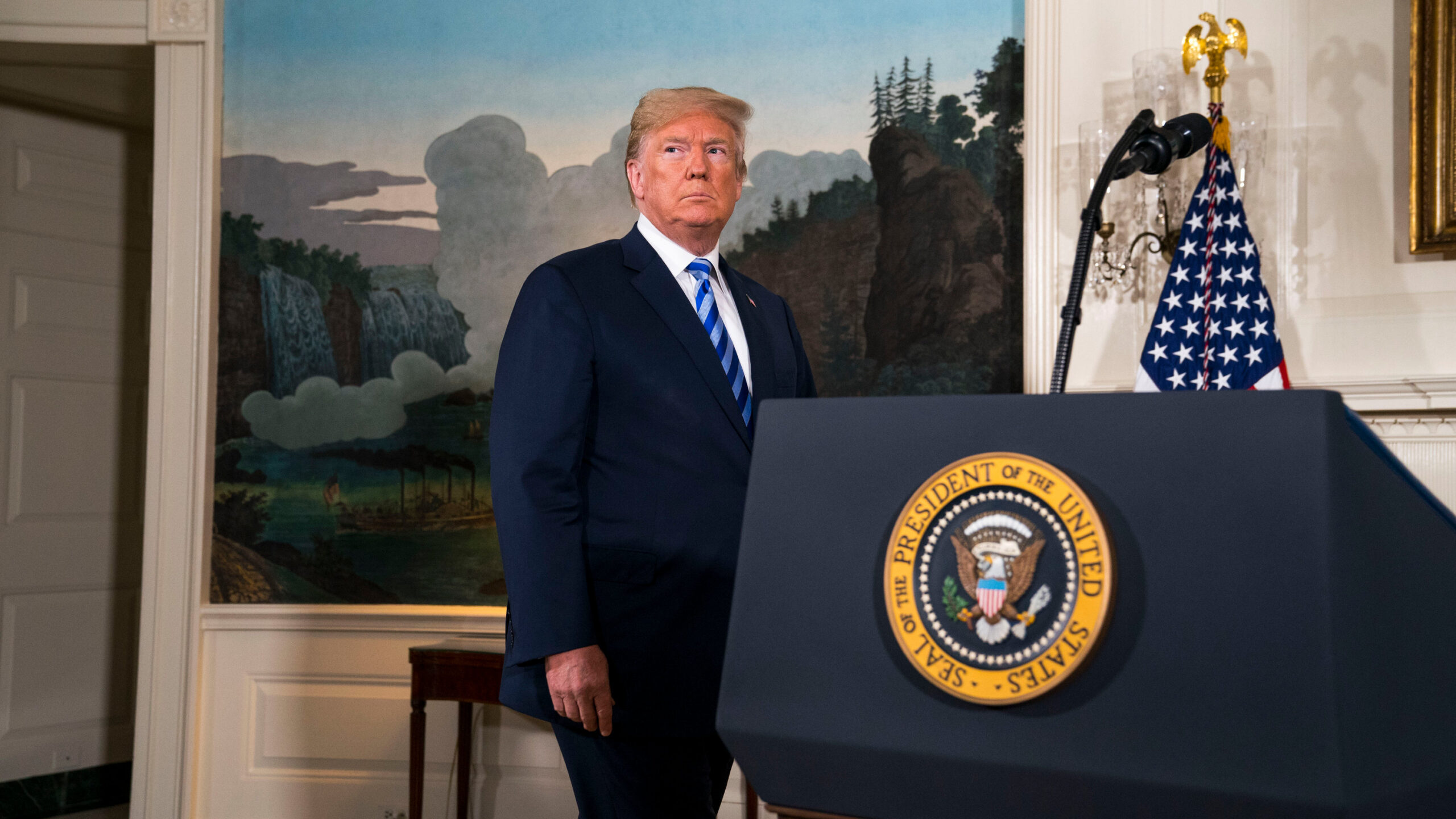
Earlier Monday, President Trump said on social media that the U.S. and Iran had “very good and productive conversations” aimed at a “complete and total resolution of our hostilities.” He later told reporters the two sides had about 15 points of agreement and that Iranian officials had signaled “they want peace,” adding, “I think there’s a very good chance we’re going to end up in a deal.”
Trump also appeared to soften an ultimatum issued over the weekend that Iran must reopen the Strait of Hormuz or face strikes on its power plants. He said the U.S. military would hold off on bombing Iran’s energy infrastructure for five days, “subject to the success of the ongoing meetings and discussions.” Financial markets reacted quickly, with Brent Crude prices falling sharply and U.S. stocks rising.
U.S. Stocks Rise Over 1% – Oil Plunges 10%+, Gold -2%+ 📈📉
Monday: Majors closed higher with oil plunging sharply. Intraday gains >2%. Dow surged 1,100+ pts (+2.5%), Nasdaq +2.5%, S&P 500 +2.2%. Trump said U.S.-Iran talks held and halted strikes on Iranian power plants/energy… pic.twitter.com/A3kA1nASqk
— Green Bull Insights (@GreenBullMkts) March 24, 2026
Despite an initial public denial from Iran’s Foreign Ministry that talks were underway, officials on both sides acknowledged indirect communication. Countries such as Pakistan and Oman, which have a history of mediating between Washington and Tehran, are again playing go-between roles, according to CBS News. Trump said the U.S. was talking to a “top person” in Iran, but not the new supreme leader, Ayatollah Mojtaba Khamenei, declining to name the individual “because I don’t want him to be killed.”
UPDATE: Pakistan is positioning itself as a mediator between the U.S., Israel, and Iran, leveraging ties with both Washington and Tehran, with officials proposing talks.#Arabia_Saudí #UAE #الخليج_العربي #إيران #سوشال_سكاي#العربية_عاجل pic.twitter.com/aweN83znjx
— UX Designer (@marsxinc) March 24, 2026
The outline of any deal remains unclear. Trump said Iran had “agreed they will not have a nuclear weapon,” describing that as one of Washington’s core war aims, along with weakening Iran’s conventional military. Iran has long denied seeking a nuclear weapon and previously rejected U.S. demands that it give up all uranium enrichment. It is also uncertain how Israel, which has been conducting joint strikes with the U.S. but has sometimes favored broader targeting, would fit into any eventual agreement.
What It Means for You
For Americans, the latest diplomatic signals could affect everything from gas prices to the risk of a broader regional war that could draw in more U.S. forces. A sustained drop in oil prices could ease pressure at the pump, while a breakdown in contracts could push prices and market volatility back up.
In the coming days, key signs to watch include whether the Strait of Hormuz remains open, whether the reported five-day pause on U.S. strikes is extended, and whether officials on either side acknowledge more structured talks. Any public framework on Iran’s nuclear program, or visible changes in Israeli military activity, will also be important indicators of where this crisis is headed.
When you see rivals move from threats to indirect talks, what signs do you look for to decide whether a real peace deal is taking shape?
Sources
- CBS News report by Claire Day, March 23, 2026.
- Public remarks by President Donald Trump to reporters and on social media, March 23, 2026.
- Statements by a senior Iranian Foreign Ministry official relayed to CBS News, March 23, 2026.