Why This Matters
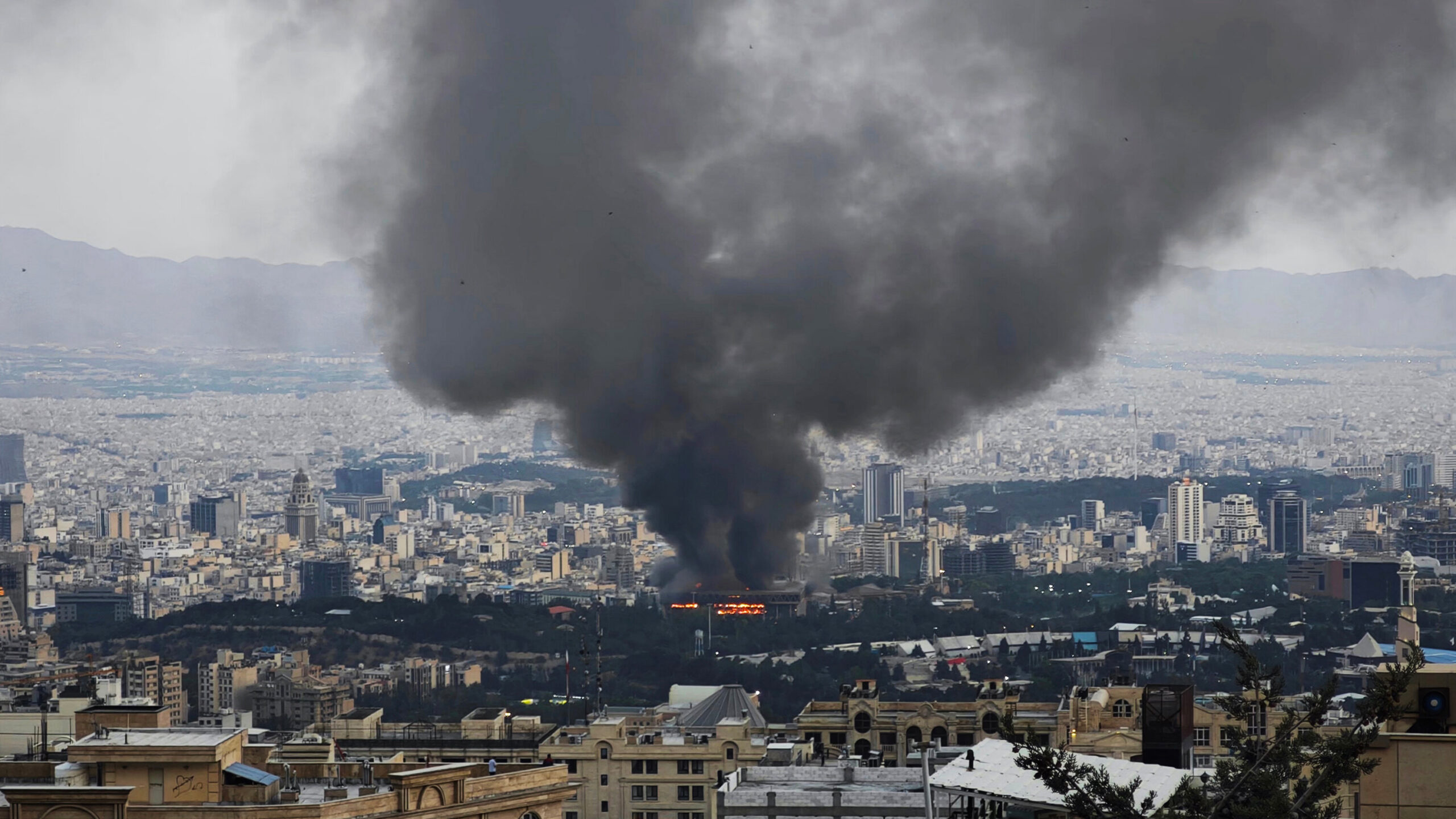
As a US- and Israeli-led air campaign in Iran enters its fourth week, reports from rights groups point to a fast-rising civilian death toll. The stories emerging from Tehran and other cities describe ordinary people killed at work, at home, and in school.
Independent reporting from inside Iran is heavily constrained by an internet blackout and government controls, making verified information scarce. That puts extra weight on the fragmentary accounts reaching the outside world through human rights organizations, social media posts, and rescue agencies.
The situation also raises questions about how modern air wars are fought in densely populated areas, where military sites and government offices often sit close to homes, schools, and businesses – and where civilians may have little access to shelters or safe corridors.
Key Facts and Quotes
Among the victims is Parastesh Dahaghin, a pharmacist in Tehran’s Apadana neighborhood. She was killed when a nearby building belonging to an IT company, which reportedly played a role in Iran’s internet shutdown, was struck, according to the Iran Human Rights Documentation Center.
Her brother wrote on Instagram that the family had urged her to leave the city, but she refused. “People need me, people have been wounded,” he quoted her as saying, adding that elderly residents relied on her for their medicine and that she felt she “had to stay here and help my people.”
Another victim, 26-year-old lifestyle blogger and online shop owner Berivan Molani, died when debris from an airstrike hit her apartment in Tehran. She had returned from a safer area in northern Iran just a day earlier because she missed home, according to friends cited in the reporting. Night-time footage released by the Iranian Red Crescent shows rescuers pulling away masonry as her mother cries out, “Is my daughter alive?”
Rights group HRANA, based outside Iran, says more than 1,400 civilians have been killed so far, about 15% of them children. One of the deadliest reported incidents was a missile strike on a primary school in the southern town of Minab, near a military base targeted by US forces, according to multiple reports. Kurdish group Hengaw says 48 children and 10 adults died there. US officials have not publicly admitted to hitting the school, but say the incident is under investigation.
HRANA also reports at least 1,167 Iranian military personnel killed since the conflict began, while Iran has not released its own military casualty figures. Hengaw says gathering accurate data is extremely difficult, alleging that Iranian border guards have orders to fire on people who move close enough to Iraq to access foreign phone and internet networks.
“It’s a really heartbreaking situation for people,” Hengaw representative Awyar Shekhi said, describing civilians as “terrified.” He noted that Iranians who faced deadly crackdowns during earlier domestic protests now fear both their own authorities and incoming bombs, with few or no bomb shelters in major cities such as Tehran.
What It Means for You
For readers outside the region, the reports from Iran are a reminder of how quickly regional tensions can escalate into a large-scale conflict with high civilian costs. They also highlight how difficult it can be to verify on-the-ground realities when communications are cut and independent media access is limited.
Even as they suffer more civilian casualties, Israelis still support the war in Iran. In the US, support is scant. Why the difference?
Why Americans and Israelis See the Iran War Differently.https://t.co/PSCYR7R1YI pic.twitter.com/NAsoi6r8sk— Frida Ghitis (@FridaGhitis) March 23, 2026
In the weeks ahead, observers will be watching for more detailed casualty investigations, any shifts in military tactics to reduce harm to civilians, and diplomatic efforts to de-escalate. How governments respond to alleged violations and civilian deaths will help shape not only the course of this conflict but also future debates over accountability in modern warfare.
In fast-moving conflicts where information is tightly controlled, what kinds of evidence or reporting do you find most important in forming your own view of events?
Sources
- BBC News report by Caroline Hawley, March 23, 2026.
- Casualty figures and incident details from the Iran Human Rights Documentation Center and HRANA, cited in the same report.
- Statements and data from Kurdish rights group Hengaw and footage from the Iranian Red Crescent, as described in the same report.