Why This Matters
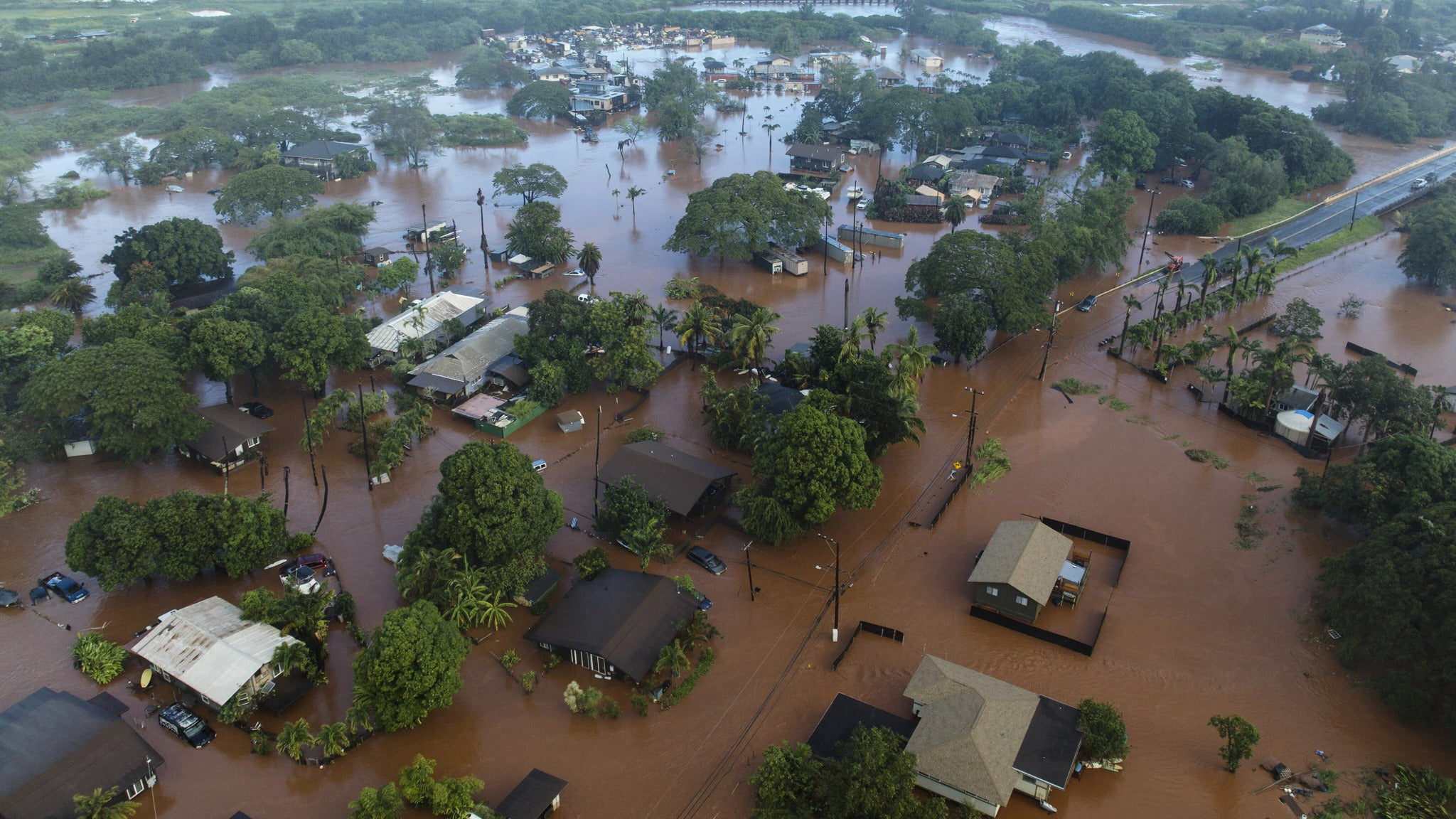
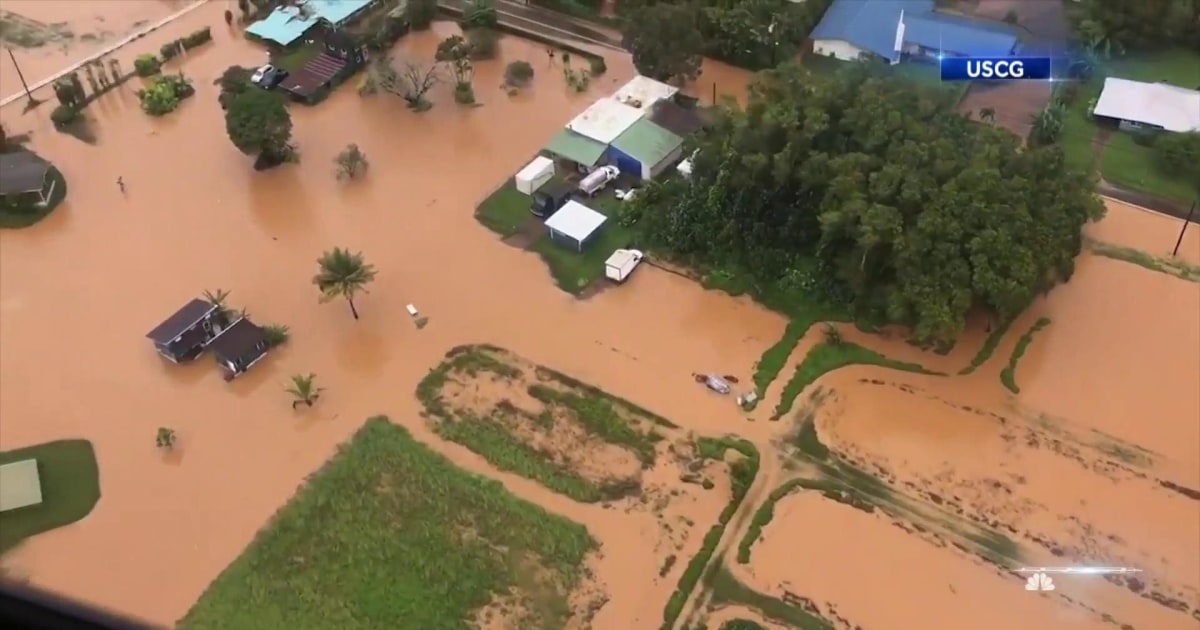
Parts of Hawaii, including O’ahu and Maui, have endured what state leaders are calling the worst flooding in two decades, following a pair of powerful storms. The governor said some areas saw up to 4 feet of rain, an amount that can overwhelm even well-prepared communities.
Hawaii is already vulnerable to extreme weather due to its island geography, steep terrain, and limited road network. When storm systems stall or arrive back-to-back, heavy rain can quickly turn into dangerous flash flooding and landslides, cutting off neighborhoods and straining emergency services.
Events like this also feed into a wider conversation about how island states and coastal communities can adapt to more frequent and intense rainstorms. Even when individual events cannot be tied directly to climate change, emergency planners say the pattern of heavier downpours raises questions about infrastructure, insurance, and long-term resilience.
Key Facts and Quotes
In a CBS News video report, the governor said a pair of massive storms battered O’ahu and Maui, unleashing up to 4 feet of rain in some locations. That kind of rainfall over a short period is enough to send rivers and streams out of their banks and flood low-lying areas.
CATASTROPHIC FLOODING 🌧️: Severe flooding from an impactful Kona Low has left a trail of destruction throughout Hawaii. Officials have reported that major hospitals, homes and roads have sustained damage from this devastating storm system. Stay with FOX Weather to hear about the… pic.twitter.com/0WjNbzihlX
— FOX Weather (@foxweather) March 23, 2026
The governor described the flooding as “the worst in 20 years,” underscoring both the scale of the event and its rarity. A 20-year benchmark means that many residents, businesses, and even some critical facilities may never have experienced flooding of this magnitude before.
Back-to-back storms can be especially damaging because saturated ground has little capacity to absorb additional water. According to meteorologists, this increases the risk of flash floods and debris flows, particularly on steep slopes and near older drainage systems that were not designed for such extreme rainfall.
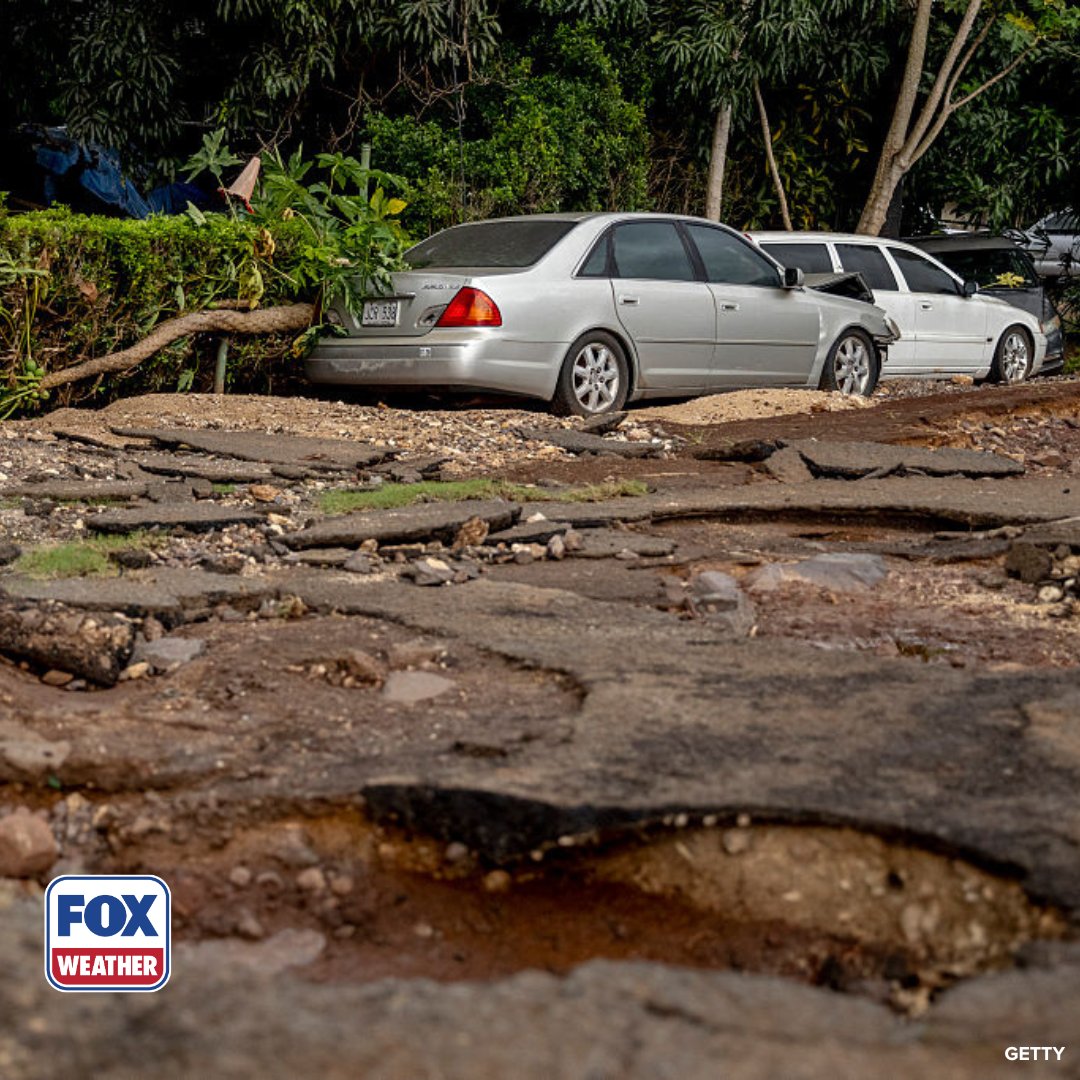
While the CBS News segment focused on the immediate impact, such as widespread inundation and dangerous conditions, officials typically urge residents in situations like this to avoid flooded roads, follow evacuation guidance when given, and prepare for disruptions to power, transportation, and essential services.
What It Means for You
For people in Hawaii, this flooding is a reminder that severe weather is not limited to hurricanes or tsunamis. Intense rainstorms can arrive with relatively short notice and still cause life-threatening conditions, especially in areas near streams, gulches, and steep hillsides.
For mainland readers, the event highlights a broader trend: communities across the U.S. are reassessing how to handle heavier downpours, from storm drains and culverts to building codes and emergency alerts. Watching how Hawaii responds and rebuilds after this flooding may offer lessons for other regions facing stronger storms and rising flood risks.
How prepared do you think your own community is for sudden, extreme flooding from heavy rainstorms?
Sources
- CBS News video report “Catastrophic flooding in Hawaii is worst seen in 20 years,” undated, accessed 2026-03-24.
- General background from National Weather Service discussions on heavy rain and flood risk in Hawaii, accessed 2026-03-24.