TL;DR
President Trump has appointed a seven-member “Board of Peace” to guide Gaza’s temporary governance and reconstruction, led by senior U.S. officials and former UK Prime Minister Tony Blair.
Why This Matters
The new “Board of Peace” is designed to steer Gaza’s post-war transition, making it a top story in global news and Middle East diplomacy. According to a White House statement and multiple media reports, the board will supervise a technocratic committee charged with running day-to-day affairs in Gaza and overseeing reconstruction after more than two years of conflict.
Who sits at the table matters. The founding executive board currently includes no women and no Palestinians, a point likely to draw scrutiny from regional leaders, aid groups and human rights advocates. At the same time, the lineup blends political figures, financiers and international development experience, signaling that Washington sees security, investment and institution-building as tightly linked in Gaza.
The decisions this group makes on security, borders, rebuilding homes and restoring basic services could shape living conditions for more than two million Palestinians. It will also influence relations among the United States, Israel, Arab states and Europe, and could affect how future peace efforts are structured across the wider region.
Key Facts & Quotes
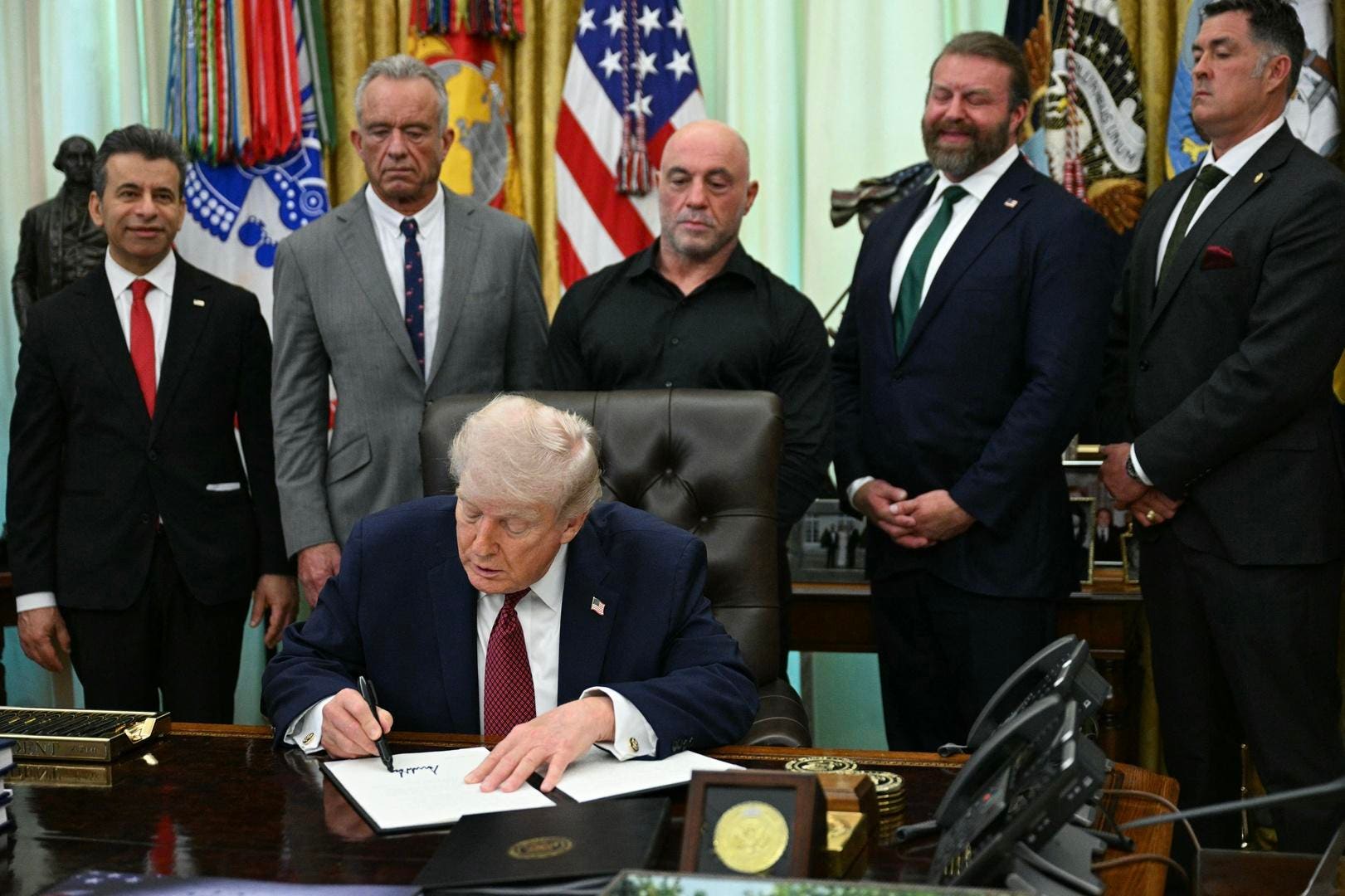
The White House says President Donald Trump will chair the new Board of Peace, whose founding executive members will each oversee a portfolio “critical to Gaza’s stabilisation.” Specific assignments have not yet been announced.
Former UK Prime Minister Sir Tony Blair is the only non-U.S. citizen on the board. Blair, who led Britain from 1997 to 2007 and backed the 2003 Iraq War, later served as Middle East envoy for the UN, European Union, United States and Russia from 2007 to 2015. He has called Trump’s Gaza proposal “the best chance of ending two years of war, misery and suffering.”
🗒️ The White House has announced the members of the Gaza “Board of Peace” and its supporting Executive Board under Donald Trump’s post-war Gaza plan
➡️ Head of the National Committee for the Administration of Gaza: Dr. Ali Sha’ath
➡️ Executive Board members: Hakan Fidan, Steve… pic.twitter.com/cxXoSDozBo— Anadolu English (@anadoluagency) January 17, 2026
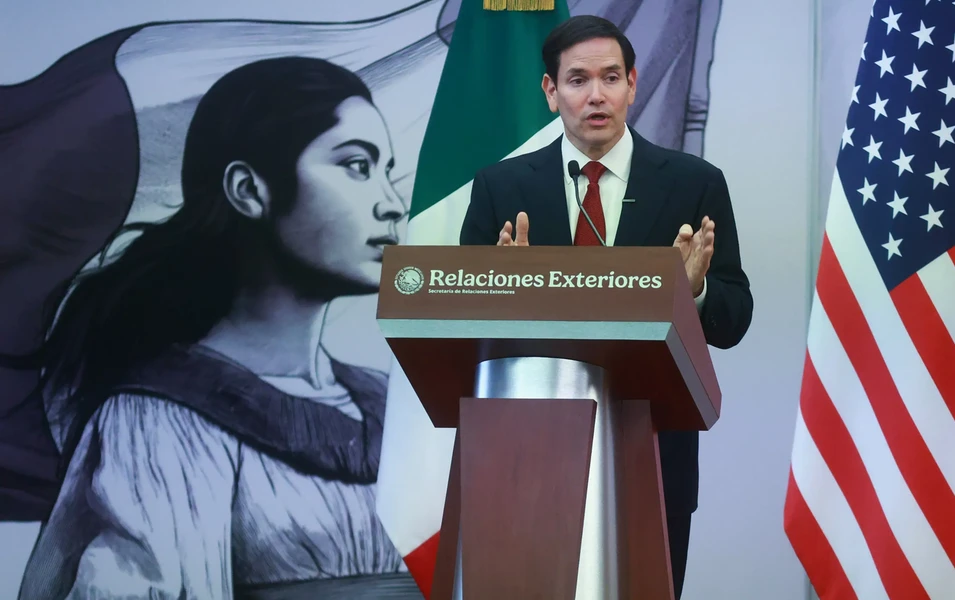
The board also includes U.S. Secretary of State Marco Rubio, who previously opposed a ceasefire in Gaza but has since praised the initial Israel-Hamas ceasefire deal agreed in October as the “best” and “only” plan, while criticising moves in Israel toward West Bank annexation.
Real estate investor Steve Witkoff, named U.S. Special Envoy to the Middle East, will serve on the board and has announced the start of “phase two” of Trump’s Gaza plan, focused on reconstruction and full demilitarisation, including Hamas’s disarmament. He has warned Hamas is expected to “comply fully with its obligations” or face “serious consequences.”
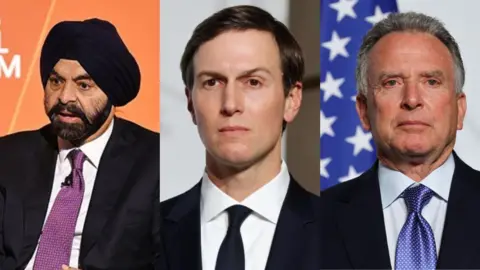
Jared Kushner, Trump’s son-in-law and a key figure in previous Middle East talks, is also a member and has worked alongside Witkoff on mediation efforts involving both the Russia-Ukraine conflict and the Israel-Gaza war. At a 2024 event at Harvard University, Kushner argued that “Gaza’s waterfront property could be very valuable… if people would focus on building up livelihoods.”
Business leaders Marc Rowan, the billionaire CEO of Apollo Global Management, and Ajay Banga, the World Bank president and former Mastercard chief executive, join the board, bringing finance and development expertise. Banga, born in India and a U.S. citizen since 2007, was nominated to the World Bank in 2023 by then-President Joe Biden.
Rounding out the executive group is national security adviser Robert Gabriel, a long-time Trump adviser who worked on his 2016 campaign. The White House says Bulgarian politician and former UN Middle East envoy Nickolay Mladenov will act as the board’s representative in Gaza, overseeing a 15-member Palestinian technocratic body, the National Committee for the Administration of Gaza (NCAG). The NCAG will be led by Ali Shaath, a former deputy minister in the Palestinian Authority, and will manage daily governance on the ground.
What It Means for You
For U.S. readers, this latest update signals how Washington plans to stay deeply involved in Gaza’s future, blending diplomacy, security and economic planning. The mix of cabinet officials, former leaders and financiers suggests that reconstruction, private investment and oversight of armed groups will be central themes in the months ahead.
What it means day-to-day will depend on whether the board can deliver tangible improvements: reopening schools and hospitals, restoring water and electricity, and creating conditions for long-term stability. It could also influence U.S. defence spending, humanitarian aid debates in Congress and broader discussions about America’s role in conflict zones.
In the coming weeks, watch for announcements on which portfolios each member will hold, how much authority the Palestinian technocratic committee truly has, and whether additional women or Palestinian figures are added to the board.
Question for readers: How should international bodies like this balance security concerns with ensuring meaningful Palestinian representation in decisions about Gaza’s future?