Why This Matters
With the Iran war disrupting global energy markets, gasoline prices in the United States have climbed by more than a dollar since late February, according to AAA. That jump is feeding broader inflation and putting new pressure on drivers who rely on their cars for work, caregiving, and daily errands.
In that environment, tribally owned gas stations on Native American reservations have become a crucial pressure valve for some households. Because many tribes are exempt from state fuel taxes on their own lands, they can often sell gas and diesel for significantly less than neighboring stations.
These lower prices do more than help non-tribal motorists stretch their budgets. Revenue from fuel sales, convenience stores, and related businesses is an important funding source for many tribal governments, helping pay for roads, health care, education, and housing far from major urban centers.
Key Facts and Quotes
Drivers from Washington to New Mexico told reporters they are intentionally detouring to reservation stations in search of cheaper fuel. Outside Seattle, Junelle Lewis said she drove nearly 30 minutes to the Tulalip Reservation, where she paid about $4.84 a gallon, roughly 75 cents less than stations closer to home. “Gas is ridiculous,” she said, adding that the Tulalip Market has long been the cheapest option she can find.
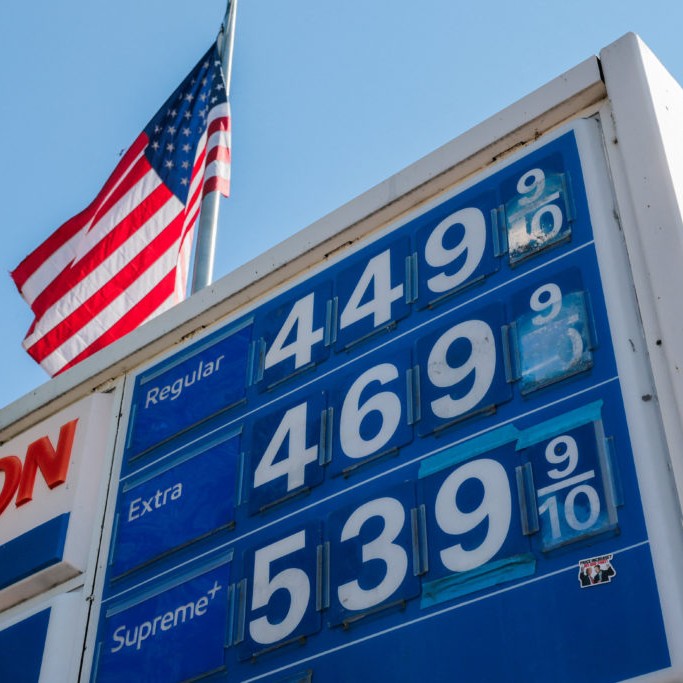
Nationwide, the average gasoline price recently reached about $4.15 a gallon after the Iran war began on Feb. 28, according to AAA data cited in the report. Prices remain below the $5 peak seen in summer 2022, but economists expect continued upward pressure amid ongoing geopolitical tensions. Amid that rise, some of the lowest prices are appearing at the roughly 500 tribally owned convenience stores with fuel pumps across 35 states.
The price gap can be substantial. In California, the Chukchansi Crossing Fuel Station & Travel Center between Fresno and Yosemite National Park was charging around $5.09 a gallon, about 60 cents less than nearby stations. On the Mescalero Apache Reservation in New Mexico, gas was as low as $3.79, while stations in eastern New York’s Cattaraugus Indian Territory were selling for about $3.65, roughly 50 cents lower than in surrounding towns.
The main reason is taxes. Tribes generally must pay the federal fuel tax, 18.4 cents per gallon for gasoline and 24.3 cents for diesel, but many are exempt from state fuel taxes on their lands. For more than a century, U.S. courts have held that states usually cannot tax Native Americans within Indian Country, University of North Dakota law professor Dan Lewerenz explained. “The Supreme Court consistently held to this view, and it’s one of the most enduring principles in federal Indian law,” he said.
What It Means for You
For many drivers, especially in states like California, Washington, Oklahoma, New Mexico, and New York, where tribal stations are common, checking fuel apps or maps for nearby reservation stations can mean savings of several dollars per fill-up. Some customers say they save around $5 a week, which can add up over months of commuting.
At the same time, spending at tribal stations feeds directly into local services for Native communities. On the Tulalip Reservation, for example, officials said rising fuel sales help fund roads, police, health care, education, and housing. As one customer in Oklahoma put it while filling a tow truck with cheaper diesel, “They’re cheaper here than anywhere else,” and for tribes, that business supports long-term community needs.
When fuel prices jump because of wars or other shocks, how do you decide when it’s worth going out of your way to find a cheaper place to fill up?
Sources
Associated Press reporting published by PBS NewsHour, April 11, 2026; AAA data on average U.S. gasoline prices, cited in the report; On-the-record comments from law professor Dan Lewerenz and consultant Matthew Klas, cited in the report; U.S. Supreme Court rulings on tribal fuel taxation, including a 2005 Kansas case and a 2019 Yakama Nation decision, as referenced in the report.