Why This Matters
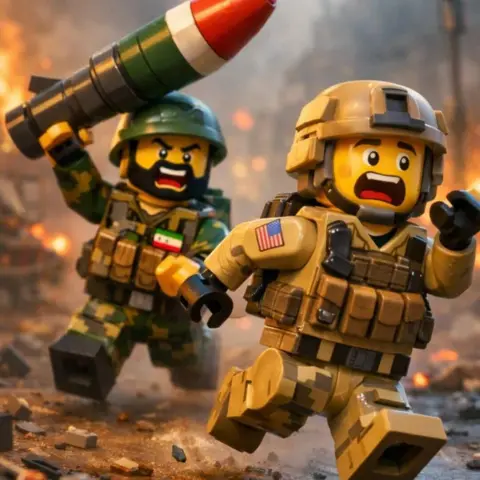
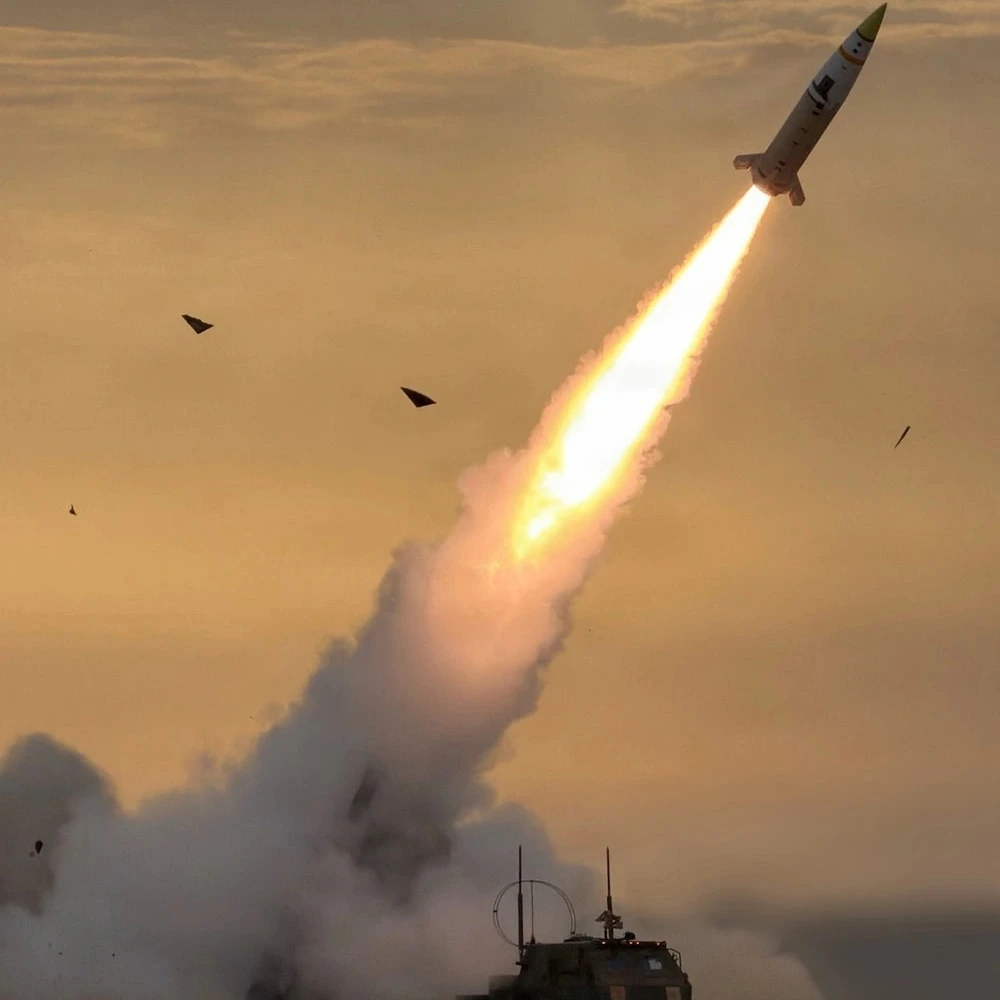
The war in Iran has opened an unusual rift between Washington and the Vatican, pitting President Donald Trump against Pope Leo XIV, the first American to lead the Catholic Church. Their public disagreement blends questions of war, faith, and national identity at a moment when a fragile ceasefire has just taken hold.
For millions of Americans who identify as Christian, this clash raises a basic question: whose moral framing of the conflict do they trust? Trump and many of his evangelical allies describe the war in religious terms, while Leo draws on Catholic teaching to condemn what he calls unacceptable threats against an entire people.
The standoff also tests how far religious leaders can shape public opinion in a deeply polarized United States. Scholars quoted in recent days suggest partisan loyalties may outweigh church teaching for many voters, even as the pope speaks in unusually direct language about U.S. policy.
Key Facts and Quotes
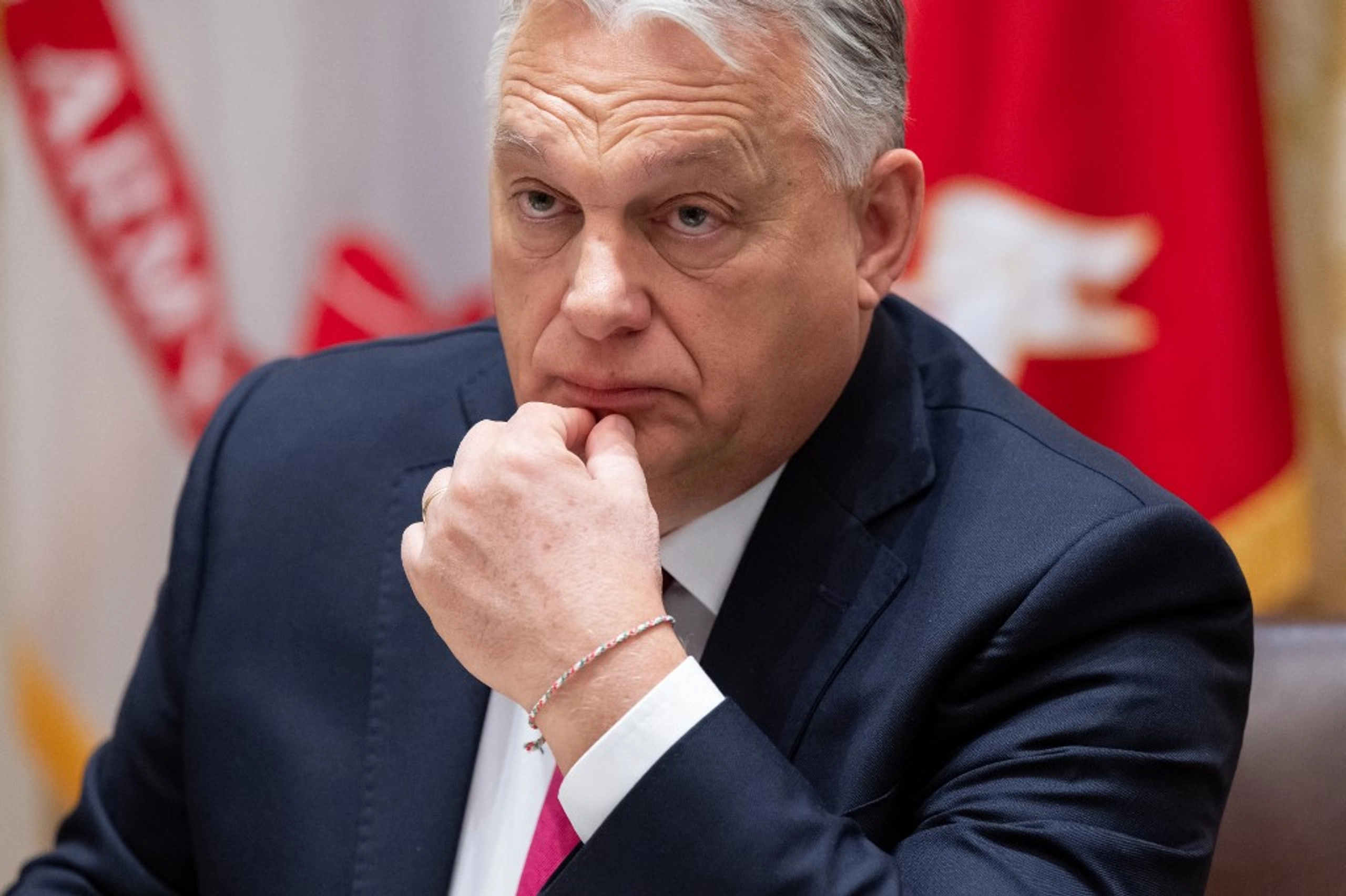
Trump, now in his second term, has defended the U.S.-Israeli war effort in Iran and warned on social media that “an entire civilization will die tonight” if Iranian power plants and infrastructure are struck. Pope Leo XIV, a 70-year-old Chicago-born pontiff, called that message a “threat against the entire people of Iran” and labeled the president’s belligerence “truly unacceptable,” according to remarks reported this week.
The administration has framed the conflict in explicitly religious terms. Defense Secretary Pete Hegseth urged Americans to pray for victory “in the name of Jesus Christ.” Asked whether God approves of the war, Trump replied, “I do, because God is good – because God is good and God wants to see people taken care of.” Evangelical leader the Rev. Franklin Graham said God “raised him up for such a time as this” and prayed that Iranians would “be set free from these Islamic lunatics.”
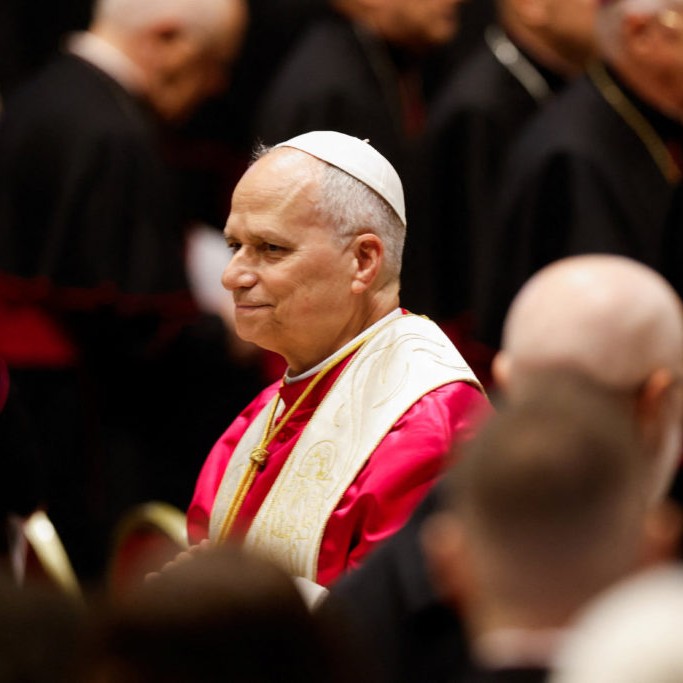
Leo has answered from the pulpit. In his Palm Sunday message, he said God “does not listen to the prayers of those who wage war, but rejects them,” citing the Old Testament book of Isaiah: “Even though you make many prayers, I will not listen – your hands are full of blood.” While popes and presidents have often disagreed, experts note that it is rare for a pope to name a U.S. president directly, as Leo did, while also expressing hope that Trump would seek “an off-ramp” in Iran.
Leo’s criticism comes with a distinctive backdrop. Before his election last year, the former Cardinal Robert Prevost spent much of his ministry outside the United States, including in poor regions of Peru, and helped recommend bishops worldwide. Scholars say that his global experience and familiarity with U.S. culture and politics shape his response to a war he views through the lens of international law and Catholic teaching. At the same time, relations between Washington and the Vatican have been strained by a report of a tense January meeting between Pentagon and church officials – a description both the Vatican and the U.S. Embassy to the Holy See have publicly rejected.
What It Means for You
For American Catholics and other Christians, the dispute highlights a widening gap between church leaders and the pews on questions of war and politics. Analysts cited in recent reporting argue that “partisan preferences always trump the religious commitments” for many believers, suggesting that reactions to Leo’s stance may track party lines more than catechisms.
For the broader public, the pope’s intervention could affect how allies and adversaries read the U.S.’s intentions toward Iran. A vocal American pope pressing for de-escalation may add pressure for a diplomatic exit from the conflict, even as the administration pursues what some describe as “transactional” politics. Much will depend on whether the current ceasefire holds, how far U.S. and Israeli strikes go, and whether either side uses faith language to justify further escalation or to support a negotiated peace.
How much weight do you think religious leaders should have when governments frame war and peace in moral or spiritual terms?
Sources
Associated Press reporting by Bill Barrow, Nicole Winfield, and Konstantin Toropin via PBS NewsHour, April 12, 2026; public homilies and messages by Pope Leo XIV, including Palm Sunday and Ash Wednesday remarks cited in recent coverage; statements from President Donald Trump, Defense Secretary Pete Hegseth, and the Rev. Franklin Graham as reported by the Associated Press; Vatican press statement rejecting descriptions of a January meeting with U.S. officials, issued the Friday before publication; U.S. Embassy to the Holy See social media statement responding to reports of that meeting; analysis and quotations from scholars Natalia Imperatori-Lee, William Barbieri, and Steven Millies as reported by the Associated Press.