Why This Matters
President Donald Trump’s newly revealed proposal for a 250-foot triumphal arch on the National Mall would add a major new structure to one of the most symbolically charged landscapes in the United States. The arch is planned near the Arlington Memorial Bridge, by Arlington National Cemetery, tying it directly to national memory and military sacrifice.
The project is pitched by the White House as a signature monument for the nation’s 250th birthday, coming in 2026. That puts it at the center of a broader fight over how the United States presents its history in stone and steel, and who gets to decide what that story looks like.
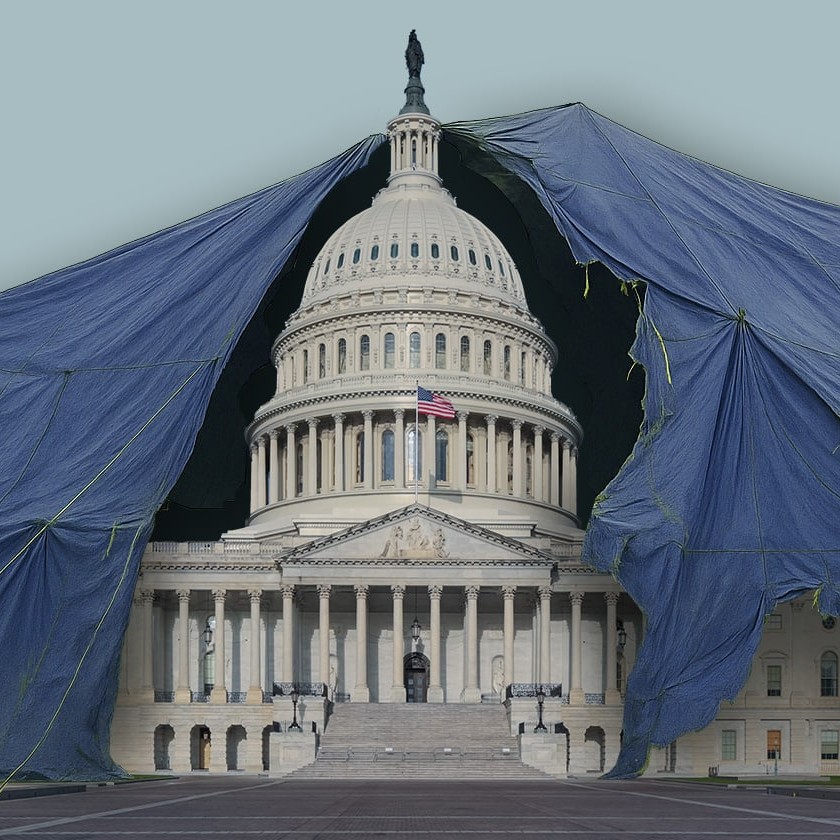
The arch also arrives amid a wave of Trump-era building plans in Washington, including a controversial new White House ballroom and changes to cultural landmarks. Together, they represent a rare, large-scale reshaping of the capital’s architecture and could set precedents for future presidents.
Key Facts and Quotes
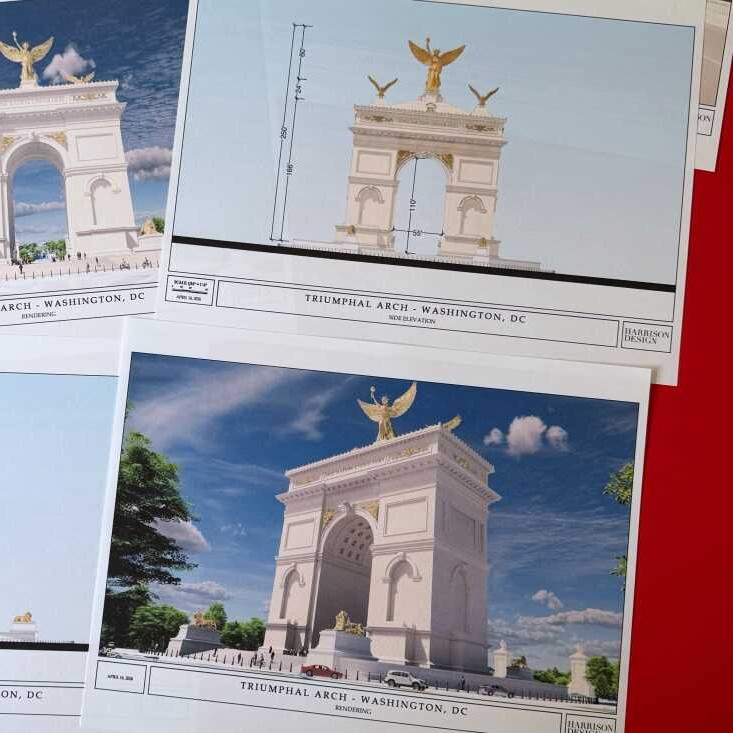
On Friday, Trump shared official renderings of the triumphal arch in a post on his social media platform Truth Social. The same designs were released by the U.S. Commission of Fine Arts, the federal panel that reviews the look and design of new construction in central Washington.
The proposed monument would stand at one end of the Arlington Memorial Bridge, next to Arlington National Cemetery. At 250 feet tall, the overall height is meant to serve as, in the White House’s words, a ‘fitting recognition of America’s 250th birthday,’ according to an email statement provided to NPR.
The plans were produced by Harrison Design, an architecture, interior, and landscape firm with offices in several U.S. cities, including Washington. The renderings closely resemble a 3D model Trump showed at a White House fundraising dinner in October, according to the NPR report.
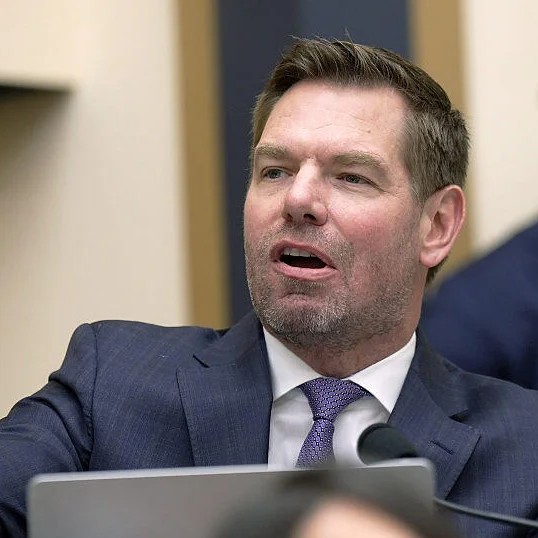
Sue Mobley, director of research at Monument Lab, a nonprofit that studies public monuments, said of the design, ‘It’s textbook Trump. It has to be the biggest. That’s the authoritarian impulse.’ Trump has repeatedly rejected that description and pushed back on accusations of authoritarianism. Mobley also predicted the project ‘will likely get tied up in court.’
The White House said it will comply with all legal requirements as it moves forward. Officials pointed to the National Park Service’s recent request to present potential designs to the Commission of Fine Arts, which is scheduled to review the arch plans next week. That commission is currently made up entirely of Trump appointees, after he removed six sitting members in October 2025.
The National Capital Planning Commission, the main federal planning agency for the Washington region, is also expected to weigh in. The White House said the project’s estimated cost, which it expects to cover with a mix of public and private money, is still being calculated. Harrison Design did not immediately provide cost information.
The arch concept comes as the administration pursues other major building projects. A neoclassical White House ballroom, estimated at about $ 400 million, was temporarily allowed to proceed by a federal appeals court while the administration appeals an earlier ruling that it needed explicit congressional approval. The historic East Wing has already been demolished to clear space.
Trump has also turned the White House Rose Garden into a stone-covered patio, proposed closing the Kennedy Center for two years for a major renovation, now facing a federal lawsuit, and backed an overhaul of Washington Dulles International Airport through a Transportation Department initiative. In August, he signed an executive order requiring that most new federal buildings with construction budgets above 50 million dollars use classical or traditional styles.
What It Means for You
For residents, visitors, and veterans who frequent the National Mall and Arlington Cemetery, the triumphal arch proposal could eventually reshape views, traffic patterns, and how people move between key memorial sites. For now, the design is still in the review phase, and nothing on the ground will change until multiple commissions sign off and any court challenges are resolved.
More broadly, the project highlights an ongoing national debate over monuments and federal architecture: Should new symbols follow traditional classical models, or reflect more contemporary ideas about U.S. history and identity? As reviews, lawsuits, and funding decisions unfold, the outcome will help shape how the country marks its 250th anniversary.
How do you think the United States should balance tradition and change when it designs new national monuments and landmarks?
Sources
NPR report by Chloe Veltman and Anastasia Tsioulcas, April 11, 2026; Official renderings and materials from the U.S. Commission of Fine Arts, April 10, 2026; White House email statement to NPR, April 2026.