Why This Matters
President Donald Trump’s decision to pause potential U.S. strikes on Iranian power plants temporarily eases fears of a larger conflict. The five-day window creates space for talks on reopening the Strait of Hormuz, a vital shipping lane.
The waterway had carried roughly one-fifth of global oil shipments before the conflict and has been effectively closed since the Iran war began. Any move toward reopening it could quickly influence fuel prices, shipping costs, and financial markets worldwide.
The episode also highlights legal and humanitarian questions about targeting energy infrastructure in war. The United Nations secretary-general has warned that such attacks by any side could amount to war crimes, while U.S. officials argue Iran’s dual-use facilities can be legitimate military targets.
Key Facts and Quotes
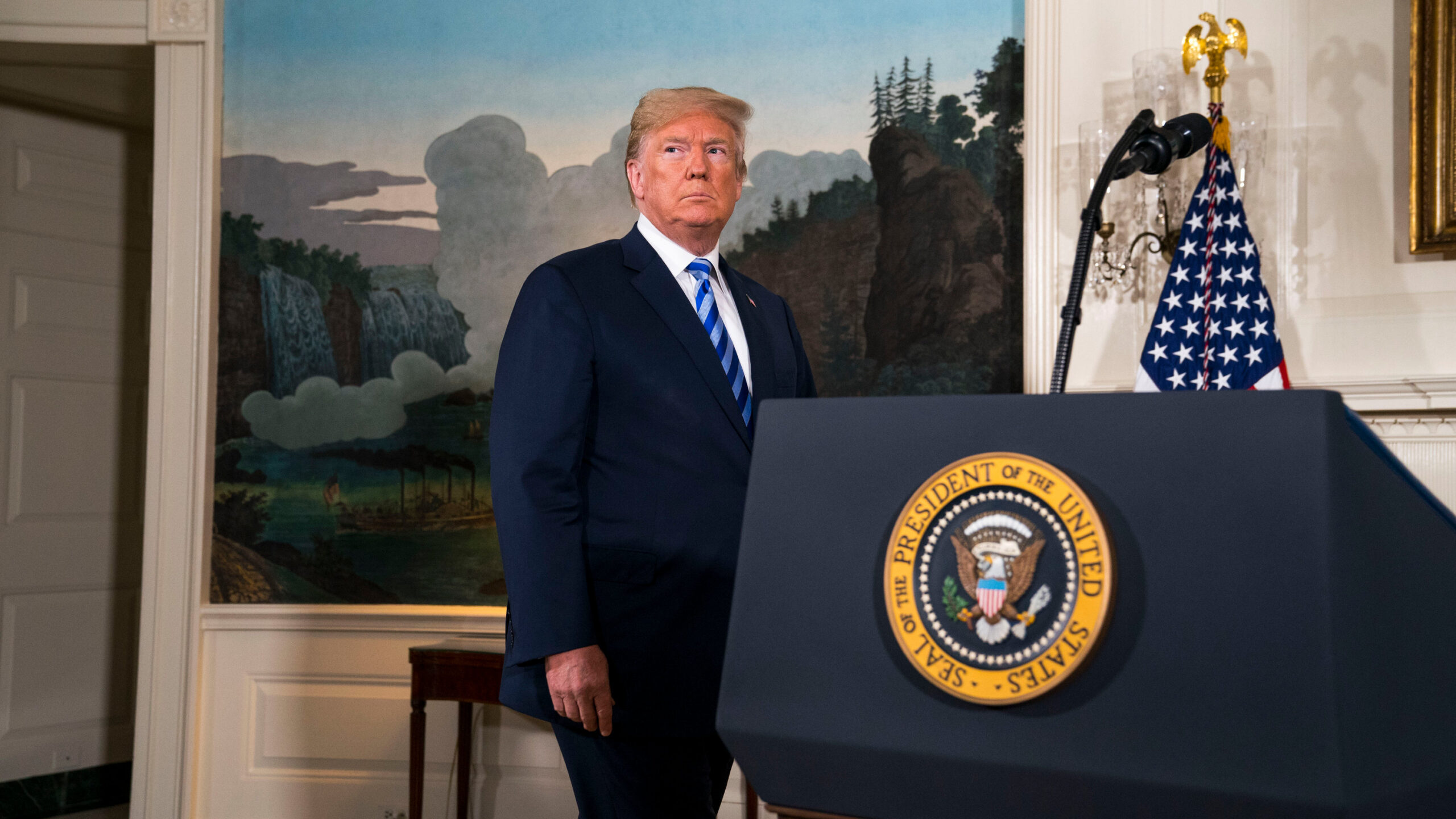
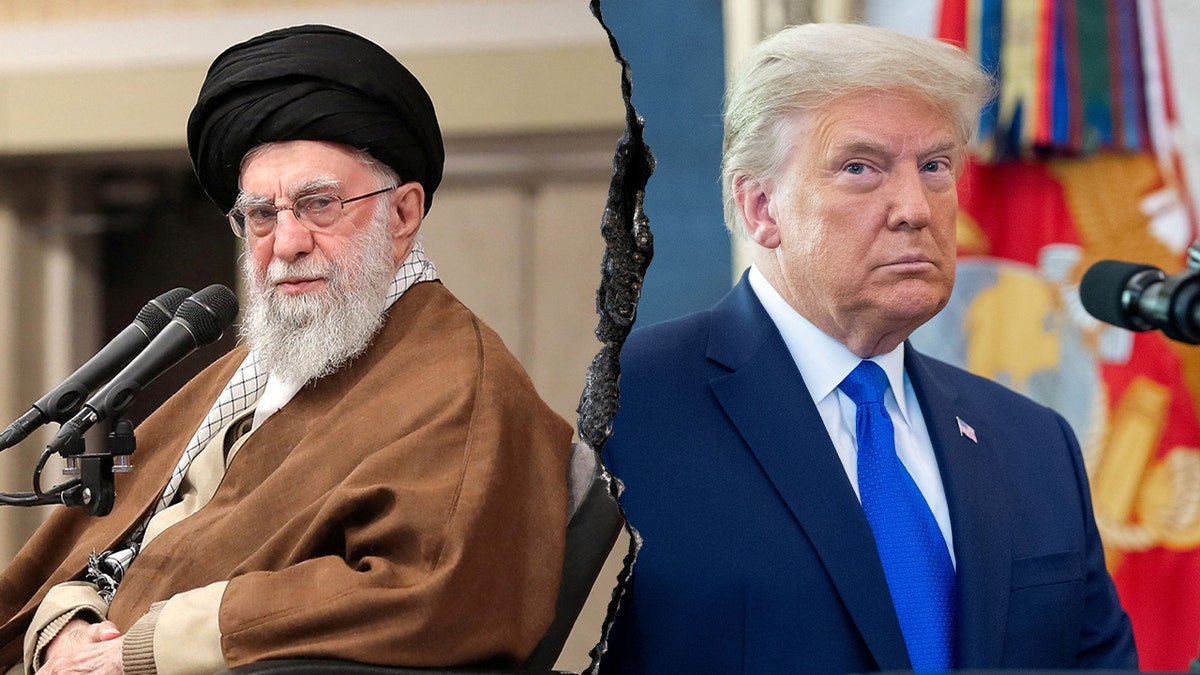
Speaking early Monday in Washington, Trump said he was postponing airstrikes against Iranian power plants after what he called “very good and productive conversations” in recent days. He wrote on social media that he had instructed the “Department of War” to delay “any and all military strikes” for five days, tying the pause to the success of the talks.
Trump just dropped that the US and Iran are in “very good and productive conversations” and he’s pausing strikes on their power plants for 5 days because they “want to make a deal badly.”
One minute he’s threatening to obliterate their energy grid, next he’s playing peacemaker.… pic.twitter.com/a14oheyfeX— Mr Rabbit ✝️🇺🇸 (@MrRabbit235560) March 24, 2026
Iran’s Foreign Ministry publicly denied that negotiations were taking place. But a senior ministry official later told CBS News that Tehran had “received points from the U.S. through mediators” and was reviewing them. Trump, who declined to identify his interlocutor, told reporters that Iran had contacted Washington and “want to make a deal.”
The comments marked a sharp shift from Trump’s weekend post threatening to “hit and obliterate” Iranian power plants “starting with the biggest one first” if Tehran did not reopen the Strait of Hormuz. Iran responded that the strait would be “completely closed” if strikes on nuclear power plants went forward, raising fears of a wider confrontation.
Retired Lt. Gen. H.R. McMaster, Trump’s former national security adviser, said Iran’s leadership is “fragmented right now” and that its foreign ministry may not know who is talking to U.S. intermediaries. U.S. Ambassador to the United Nations Mike Waltz said “all options” remain on the table, even as U.N. Secretary-General Antonio Guterres has warned that attacks on energy infrastructure could constitute war crimes. Oil and gas prices fell after Trump announced the pause.
What It Means for You
For Americans, the immediate impact is most visible at the gas pump and in retirement accounts. A reopening of the Strait of Hormuz could ease pressure on oil and shipping costs, while renewed threats or strikes could send prices higher again and unsettle already volatile markets.
The next five days will be critical. Observers will watch whether talks produce concrete steps toward reopening the strait, whether Iran and the United States scale back or harden their military postures, and how Congress responds to any move toward expanded U.S. strikes on Iranian infrastructure.
What do you think is the most responsible way for the United States to balance military pressure and diplomacy with Iran to avoid a wider regional war?
Sources
- CBS News report by Kathryn Watson, March 23, 2026.
- Public remarks by President Donald Trump to reporters in Washington, March 23, 2026.
- Politico interview with U.N. Secretary-General Antonio Guterres, March 2026.
- CBS News Face the Nation interview with U.S. Ambassador to the U.N. Mike Waltz, March 22, 2026.