Why This Matters
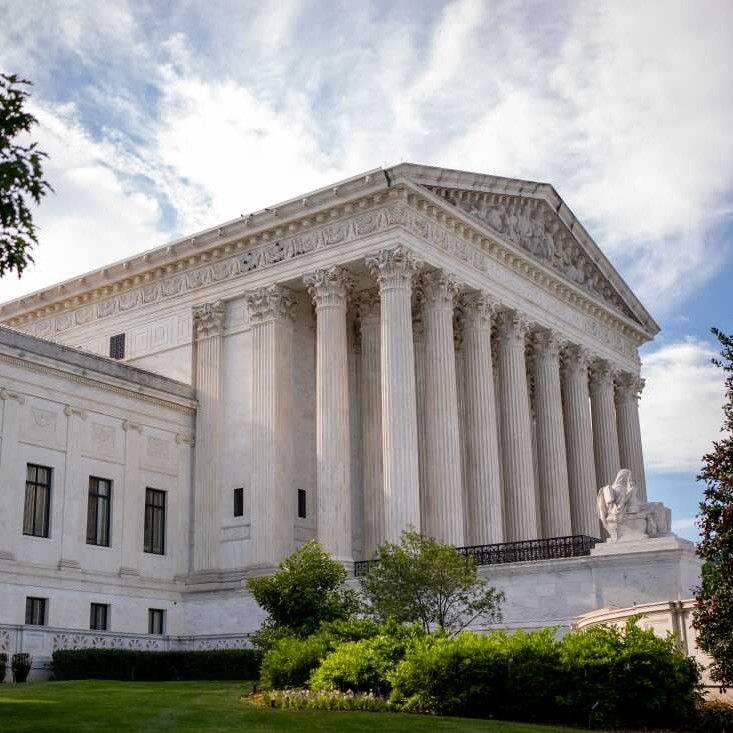
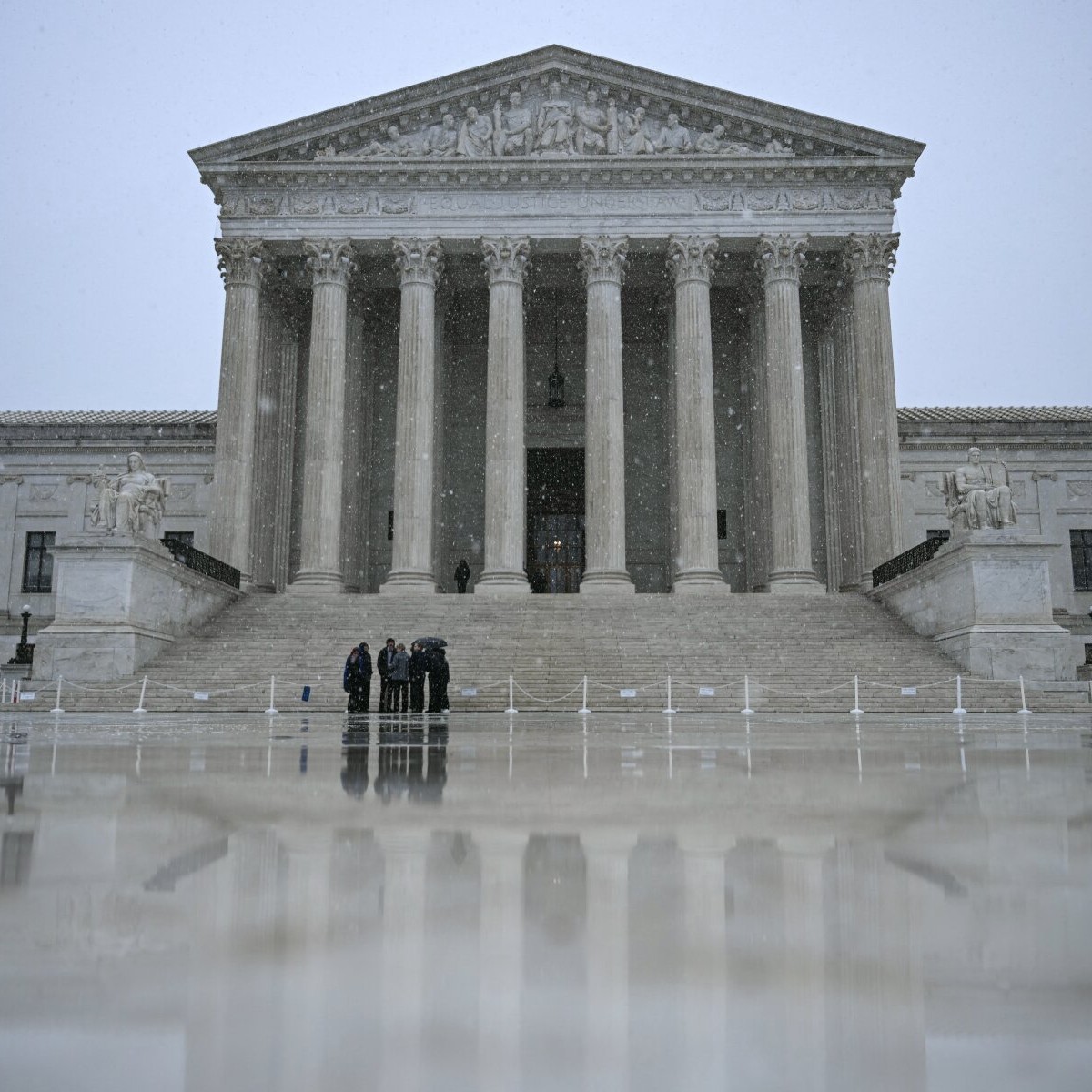
The U.S. Supreme Court has declined to hear a closely watched press freedom case involving a Texas journalist arrested after seeking information from a police officer. The decision leaves in place a federal appeals court ruling that granted qualified immunity to officials involved in the arrest of Priscilla Villarreal, a citizen journalist in Laredo.
At the center of the case is a Texas law that makes it a felony to solicit from public officials information that has not been publicly released. Critics say applying that law to routine newsgathering could chill basic reporting practices, including asking government employees for confirmation or details about public events.
Because the Supreme Court declined to review the case, the ruling of the U.S. Court of Appeals for the 5th Circuit remains binding in Texas, Louisiana, and Mississippi. First Amendment advocates warn that the outcome could shape how both professional and citizen journalists approach government sources in those states.
Key Facts and Quotes
Villarreal, known locally by her online moniker “La Gordiloca,” was arrested in 2017 after she published stories about a U.S. border agent’s public suicide and a separate car crash. According to court records, she had confirmed details with a police officer who voluntarily provided information, and prosecutors then charged her under the rarely used Texas statute.
A Texas trial judge later held that the statute was unconstitutionally vague, and Villarreal sued the prosecutors and police officers involved. A three-judge panel of the 5th Circuit initially sided with her, writing that “if the First Amendment means anything, it surely means that a citizen journalist has the right to ask a public official a question, without fear of being imprisoned.” The panel called her jailing for questioning a police officer an “obvious violation” of the Constitution.
The full 5th Circuit reheard the case and, in a 9-7 decision, ruled that the officials were entitled to qualified immunity, a legal doctrine that shields government employees from civil damages in many circumstances. The majority said the officers could reasonably have believed they were enforcing the statute and noted that Villarreal received “minor advertising revenue” and occasional free meals from appreciative readers.
The Supreme Court had previously told the 5th Circuit to reconsider the case in light of more favorable precedents for Villarreal, but the appeals court again granted immunity. On Monday, the Supreme Court declined to take the case a second time. Justice Sonia Sotomayor dissented, calling the arrest “a blatant First Amendment violation” and warning that the 5th Circuit’s approach “creates a perverse scheme in which officials can arrest someone for protected activity” and then avoid liability by pointing back to an unconstitutional statute.
when the @USSupremeCourt allows journalists to be arrested for publishing facts, under the #NaziEsque @realDonaldTrump administration….
no more #FreedomOfPress under this @POTUS….🇺🇲
Supreme Court declines to review press freedom case https://t.co/pPq4M8l7Ze pic.twitter.com/jpYsY0G6Bx
— Osteoporosasaur (@osteoporosasaur) March 23, 2026
What It Means for You
For journalists, local bloggers, and residents who report news on social media, the ruling underscores a tension between press freedom and legal protections for law enforcement. While the underlying Texas statute has already been found unconstitutional by a state judge, the officials involved in Villarreal’s arrest cannot be sued for damages under the current federal ruling.
Because the Supreme Court declined review, there is no new nationwide precedent. But in the 5th Circuit, the case is likely to influence how police, prosecutors, and reporters interact, and it may fuel renewed debate over qualified immunity and state laws affecting newsgathering. Lawmakers or courts in Texas could still revisit the statute itself in the future.
How do you think courts should balance robust press freedom with legal protections for government officials who say they are simply enforcing the law?
Sources
- NPR report by Alyssa Kapasi on the Supreme Court’s press freedom decision, March 23, 2026.
- U.S. Court of Appeals for the Fifth Circuit opinions in the Villarreal case.
- Texas state court ruling on the constitutionality of the solicitation statute.
- U.S. Supreme Court docket materials and Justice Sonia Sotomayor’s dissent regarding the Court’s decision not to hear the case.