TL;DR
More than 100 Labour MPs have written to Prime Minister Sir Keir Starmer, urging him to secure enough parliamentary time for an assisted dying bill stalled in the House of Lords, warning that failure to act would damage trust in politics.
Why This Matters
The letters highlight how end-of-life law, a deeply personal and ethical question, is again becoming a top story in UK politics. For many families, assisted dying debates go beyond party lines and touch on dignity, pain, and how much control people should have over their final days.
The UK currently bans assisted dying, and those who help a loved one to die can face prosecution under long-standing criminal laws. Campaigners argue this leaves some terminally ill people travelling abroad, often to Switzerland, to end their lives, while others endure prolonged suffering at home.
Supporters say a tightly regulated system, like those in parts of the United States, Canada, and several European countries, would offer choice with safeguards. Opponents fear that legalisation, however limited, could pressure vulnerable people, including the elderly and disabled, to consider ending their lives. How the government manages parliamentary time for this bill will signal how it plans to navigate one of the most sensitive moral issues on its agenda.
Key Facts & Quotes
According to the BBC, more than 100 Labour Members of Parliament have written individual and collective letters to Sir Keir Starmer, warning that if assisted dying legislation is allowed to fail, it would undermine public trust in politics. They are pressing him to ensure there is enough time in both Houses of Parliament to reach a clear decision.
One hundred Labour MPs are pressuring Keir Starmer in a bid to get the assisted dying bill through parliament.
Oppostion to the bill is there and time is running out to get it through parliament in May.
MPs against the bill say it is flawed and dangerous.
Where do you stand? pic.twitter.com/052jVQd5dV
— Patriotic 🇬🇧 Nation (@HoodedClaw1974) March 16, 2026
The current bill, which would legalise assisted dying in tightly defined circumstances in England and Wales, passed the House of Commons in June last year. It has since been stalled in the House of Lords for months and is now considered unlikely to complete its stages before the end of the current parliamentary session. As a non-government bill, it must pass all its stages before the session closes or it falls.
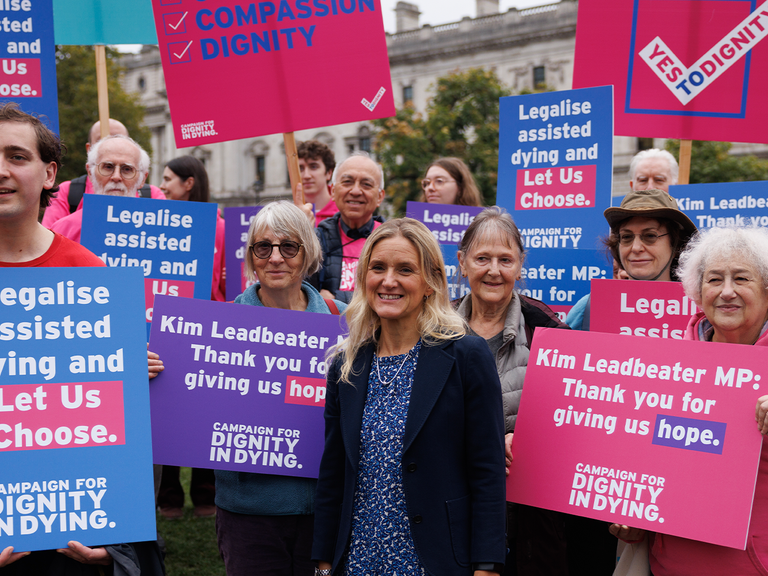
Opponents argue the draft law is flawed, warning that pushing it through would be unsafe and could harm vulnerable people. Disability rights groups and some faith leaders have raised particular concerns about potential subtle pressures on those who are sick or feel they are a burden. Outside Parliament, campaigners have staged rallies with placards reading “My dying wish: Legalise assisted dying”, reflecting how sharply divided opinion remains. Previous attempts to change the law have been defeated in Parliament, including a major Commons vote in 2015, according to briefings from the House of Commons Library.
What It Means for You
For readers in the UK and abroad, this latest update is part of a wider global news trend: more countries are re-examining how the law treats end-of-life choices. Even if you never face such a decision personally, the outcome affects how hospitals, doctors, and families handle terminal illness, pain relief, and palliative care.
If the bill falls, any fresh attempt would likely need to start again in a future session, delaying clarity for patients and families already weighing difficult choices. If it progresses, expect a detailed debate on who would qualify, what medical safeguards are required, and how to protect those who may feel pressured. Watching how the government allocates parliamentary time over the coming months will be key to understanding whether this reform is moving forward or being quietly parked.
How do you think lawmakers should balance personal choice at the end of life with safeguards for vulnerable people?
Sources:
- Reporting from the BBC Politics section on correspondence to the prime minister regarding the assisted dying bill (16 March 2026).
- Background from House of Commons Library briefings on assisted dying debates and previous UK parliamentary votes (updated 2023).