Why This Matters
A change in federal law will soon push tens of thousands of older immigrants off Medicare, even though many have been paying payroll taxes for decades. The shift affects people who are legally in the United States, including refugees, temporary protected status holders, and survivors of violence.
The policy, as reported by NPR, centers on a tension that has long shaped U.S. immigration and safety-net debates: whether and how people without permanent legal status should receive public benefits they help fund through their work. It also comes as the number of aging immigrants in the country continues to rise.
Health experts warn that sudden loss of coverage can be especially dangerous for seniors, who are more likely to develop serious illnesses and need regular care. When older adults delay treatment because of cost, they often end up sicker and in emergency rooms, which can drive up health spending overall.
The story of 67-year-old child development worker Rosa Maria Carranza in Oakland, California, provides a personal view into how the change could disrupt lives, finances, and retirement plans for families that have built their futures around access to Medicare and Social Security.
Key Facts and Quotes
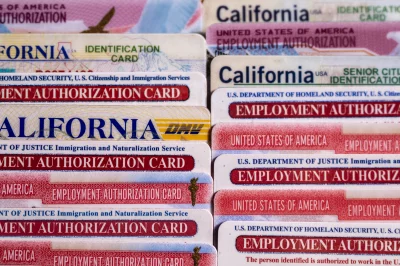
The GOP-backed One Big Beautiful Bill Act, signed last July by President Trump, bars several categories of lawfully present immigrants from Medicare, according to NPR’s account of the law. Those groups include people with temporary protected status, refugees, asylum-seekers, some survivors of domestic violence and trafficking, and immigrants with certain work visas.
People in those categories who are already enrolled in Medicare, including Carranza, are set to be disenrolled by Jan. 4, NPR reported. Journalists estimate that roughly 100,000 lawfully present immigrants will ultimately lose Medicare coverage. Previously, undocumented immigrants were already ineligible for Medicare and most other federal public benefits.
Trump and Republican lawmakers have framed the law as a way to curb Medicare spending and prevent taxpayer dollars from covering health care for people they describe as being in the country without authorization. “The Democrats want Illegal Aliens, many of them VIOLENT CRIMINALS, to receive FREE Healthcare,” Trump wrote on his Truth Social platform after signing the bill. “We cannot let this happen!”
Policy critics note that many of those affected hold legal status and have long work histories. Carranza’s Social Security Administration earnings record shows she has paid tens of thousands of dollars into Medicare and Social Security over 24 years, according to documents reviewed by KFF Health News and El Timpano. “This is like a horror movie, a complete nightmare,” she said. “This is not how I imagined getting old.”
Michael Cannon, director of health policy studies at the libertarian Cato Institute, told reporters that Republicans see cutting benefits for immigrants as more politically acceptable than broader cuts. “They don’t want to turn the United States into a welfare magnet,” he said. At the same time, the Congressional Budget Office has estimated that the Medicare restrictions will reduce federal spending by about $5.1 billion by 2034.
Separate research from the Institute on Taxation and Economic Policy found that undocumented immigrants paid an estimated $6.4 billion into Medicare and $25.7 billion into Social Security in 2022. Emergency physician Theresa Cheng, who teaches at the University of California, San Francisco, warned that losing coverage puts older adults at higher risk: “It’s quite easy for them to fall off the cliff,” she said.
What It Means for You
For families with older relatives on temporary protected status, refugee status, or work visas, the latest update means it is important to confirm Medicare eligibility and look into any state or local programs that might fill gaps. Some states, including California, have expanded health coverage for certain immigrant groups but are now facing budget pressures and cutting back.
For other Americans, the policy highlights a broader national debate over how to balance immigration rules, taxpayer-funded programs, and the promises made to workers who pay into Social Security and Medicare. As Congress and state governments continue to adjust eligibility rules, changes to who qualifies for public coverage could affect health care access, hospital finances, and community safety nets in many parts of the country.
How do you think the country should balance immigration status, taxpayer contributions, and access to programs like Medicare as the population ages?
Sources
NPR report by Vanessa G. Sanchez, published April 6, 2026; KFF Health News and El Timpano reporting on Rosa Maria Carranza and immigrant seniors, 2026; Congressional Budget Office estimates on Medicare spending impacts, 2024; Institute on Taxation and Economic Policy analysis of immigrant contributions to Medicare and Social Security, 2022; statements and commentary from Donald Trump and Michael Cannon of the Cato Institute, as cited in the above reporting.