Why This Matters
High-level talks between Iran and the United States in Islamabad have ended without a clear breakthrough, after 21 hours of negotiations failed to bridge what one account called 47 years of hostility. The discussions took place during a fragile two-week ceasefire in an ongoing war, raising immediate questions about whether that pause in fighting can hold.
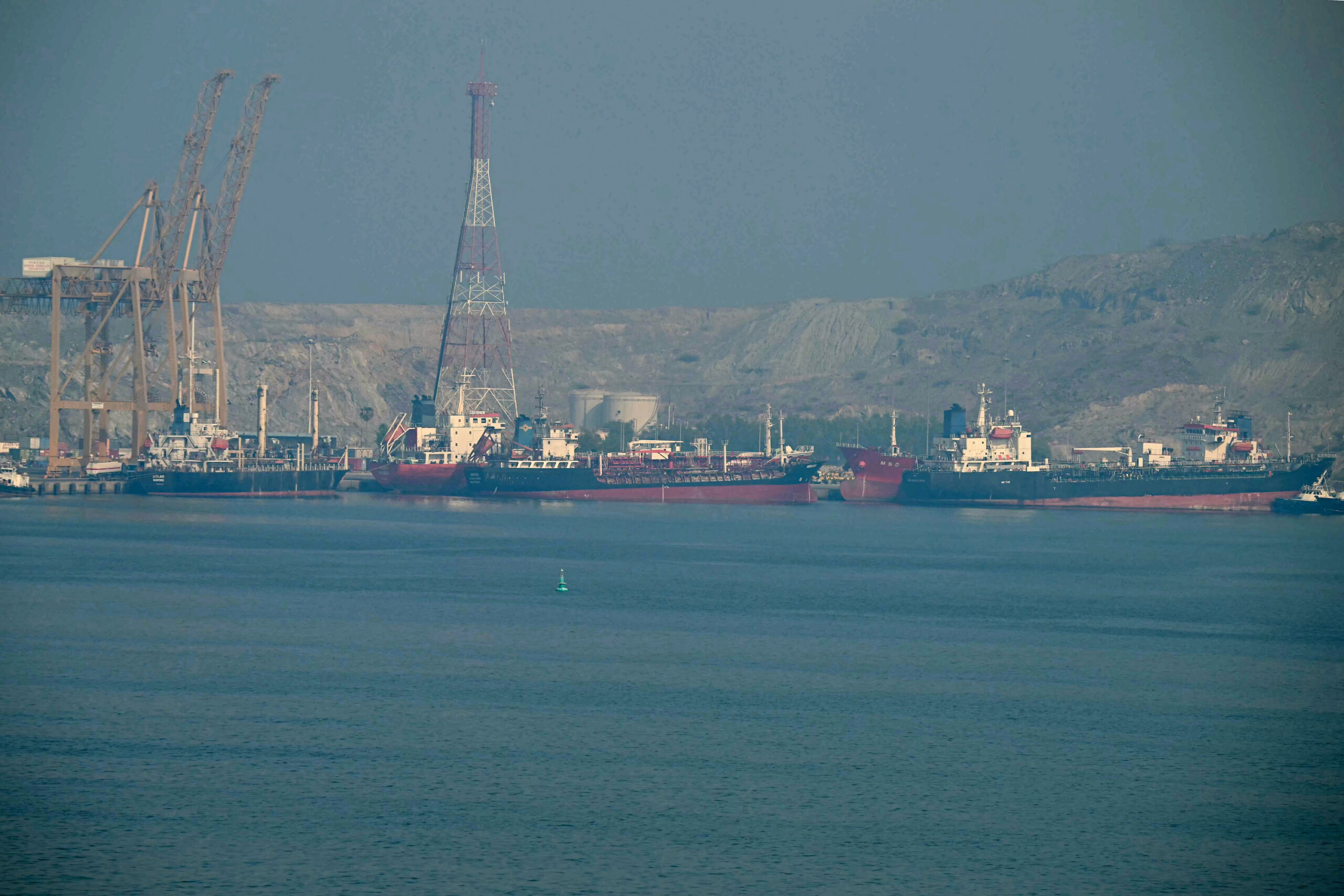
The stakes go far beyond the battlefield. Iran’s nuclear program, long a point of international tension, was reportedly on the table alongside newer dangers tied to this war. Chief among them is Iran’s control of the Strait of Hormuz, a narrow waterway that handles a significant share of the world’s oil and liquefied natural gas shipments.
Any prolonged disruption in the Strait of Hormuz can drive up global energy prices, unsettle stock markets, and strain already fragile supply chains. For a world economy still absorbing earlier shocks, the outcome of these talks-and what follows-could influence inflation, fuel costs, and broader financial stability.
Key Facts and Quotes
The Islamabad meeting brought US and Iranian delegations into the same room despite deep political taboos on both sides, according to on-the-ground reporting. Negotiators met in a heavily secured hotel district, using a pause in weeks of intense fighting to explore ways to lower tensions and potentially adjust military activity around the Strait of Hormuz.
One account of the closed-door session opened by noting that “twenty-one hours were not enough to end 47 years of hostility between Iran and the US.” The talks were described as a marathon effort that nonetheless left major issues unresolved, from the scope of Iran’s nuclear activities to guarantees for shipping routes and the future of the ceasefire.
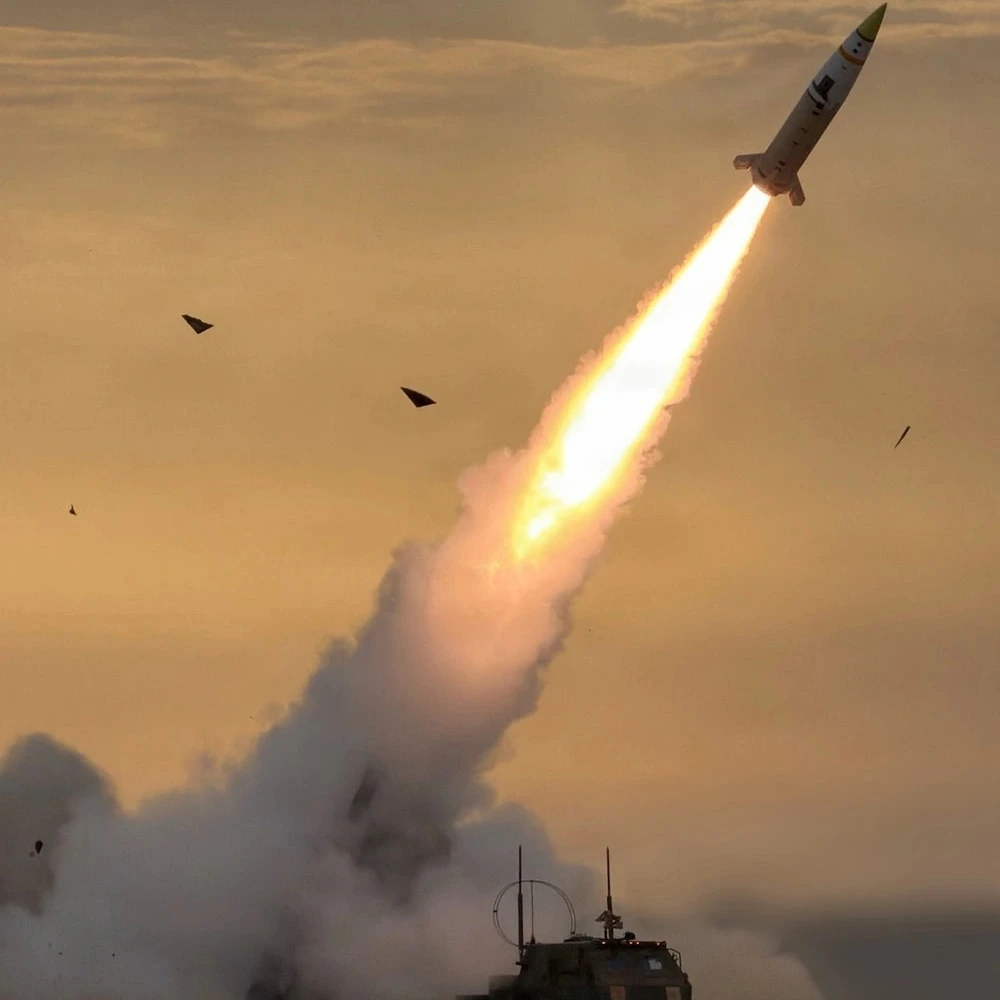
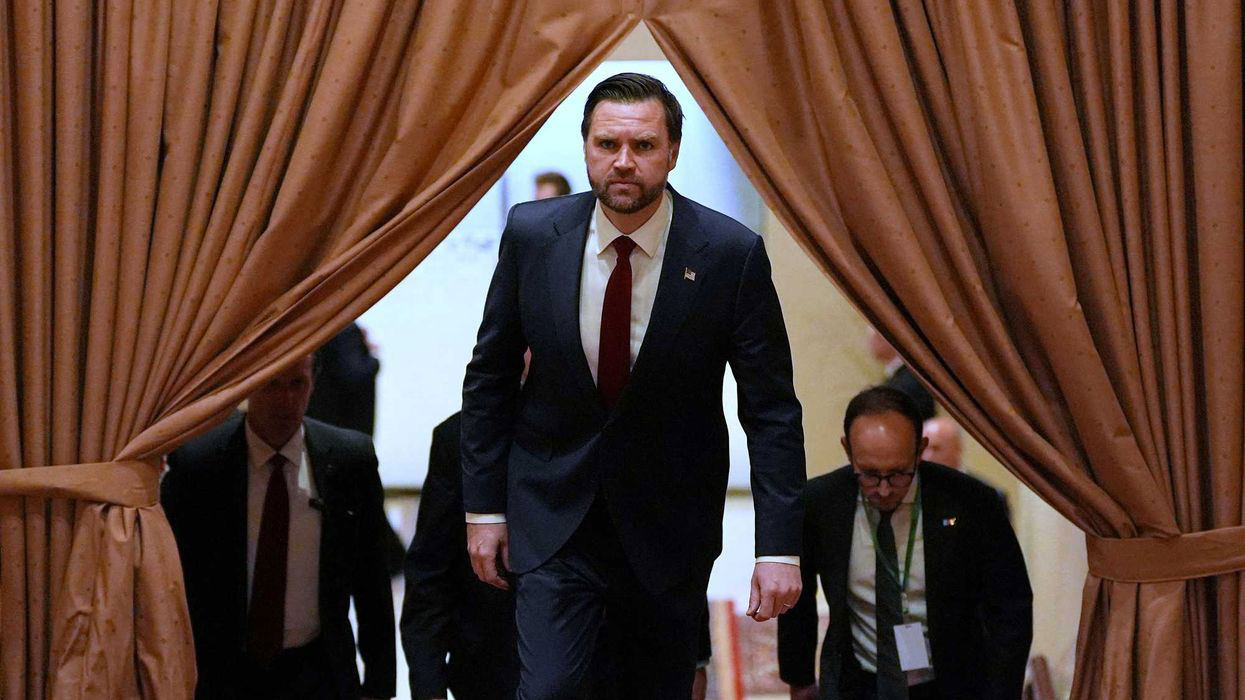
The ceasefire itself is a central point of concern. Reports from Islamabad say it helped avert what was widely described as an alarming threat from US President Donald Trump to “destroy a whole civilization in Iran” if fighting escalated further. The US delegation, led by Vice-President JD Vance, left Islamabad at sunrise after Vance declared that Washington had put forward its “final and best offer.”
Even after his departure, some local reports suggested that conversations continued informally among remaining officials. However, no detailed communiques have been released, and it remains unclear whether formal negotiations will resume, whether the US will escalate military or economic pressure, or whether both sides will look for a narrow, issue-specific compromise, especially around the Strait of Hormuz.
What It Means for You
For everyday Americans, the most direct impact may come through the economy. Any renewed fighting that threatens shipping through the Strait of Hormuz could push up gasoline and heating costs, add volatility to retirement portfolios, and raise prices for goods that depend on global transport. Even the perception of risk often moves oil markets quickly.
Politically, the outcome will help shape Washington’s broader approach to the Middle East and to nuclear diplomacy. Signs to watch in the coming days include public statements from Tehran and Washington about the ceasefire, movements in global energy prices, and any reported changes in shipping traffic through the Strait of Hormuz. Together, they will offer early clues about whether the world is heading toward a longer truce, a narrow deal, or a new phase of confrontation.
In moments like this, when longstanding rivals test the limits of diplomacy, what kinds of compromises do you believe are both realistic and worth pursuing to prevent a wider war?
Sources
Primary reporting from Islamabad on US-Iran talks and ceasefire context, 12 April 2026; Historical overview of US-Iran relations and nuclear negotiations from US Congressional Research Service reports, updated 2023; Data on the strategic and economic importance of the Strait of Hormuz from the US Energy Information Administration, 2019 and 2022.