Why This Matters
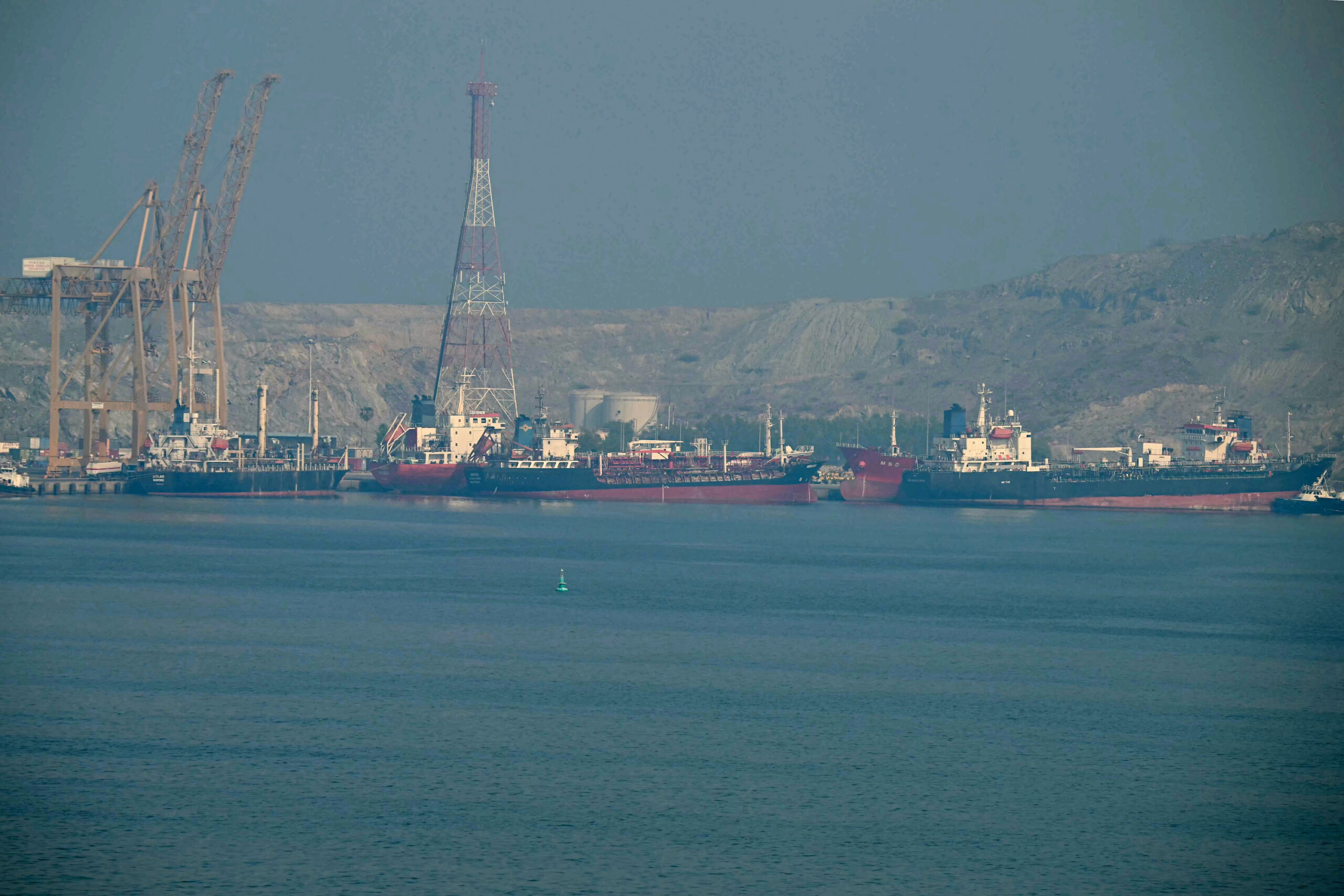
The United States military says it will begin enforcing a naval blockade on all maritime traffic entering and leaving Iranian ports, while allowing other ships to pass through the Strait of Hormuz. The move comes as a war between the US, its allies, and Iran continues, and after Iran effectively closed the Strait in response to US-Israeli strikes.
The Strait of Hormuz is one of the world’s most important chokepoints for oil and liquefied natural gas. A sustained disruption there can tighten global energy supplies, push up fuel prices, and rattle financial markets far from the Gulf.
A naval blockade is a wartime measure in which warships try to stop goods and people from reaching an enemy’s coastline. Under international law, it is considered a serious use of force and must be declared, enforced, and applied to all nations’ vessels in an impartial manner, which is already a focus of political and legal scrutiny.
Key Facts and Quotes
US Central Command, which oversees US forces in the Middle East, said the blockade would begin on Monday and apply to “all maritime traffic entering and exiting Iranian ports.” It added that ships traveling to and from ports in other countries would be allowed to use the Strait of Hormuz, despite Iran’s earlier attempt to close it.
“The blockade will be enforced impartially against vessels of all nations entering or departing Iranian ports and coastal areas, including all Iranian ports on the Arabian Gulf and Gulf of Oman,” the US military statement said. Centcom also said US forces would not impede “the freedom of vessels transiting to and from non-Iranian ports” and that commercial mariners would receive detailed instructions in a formal notice.
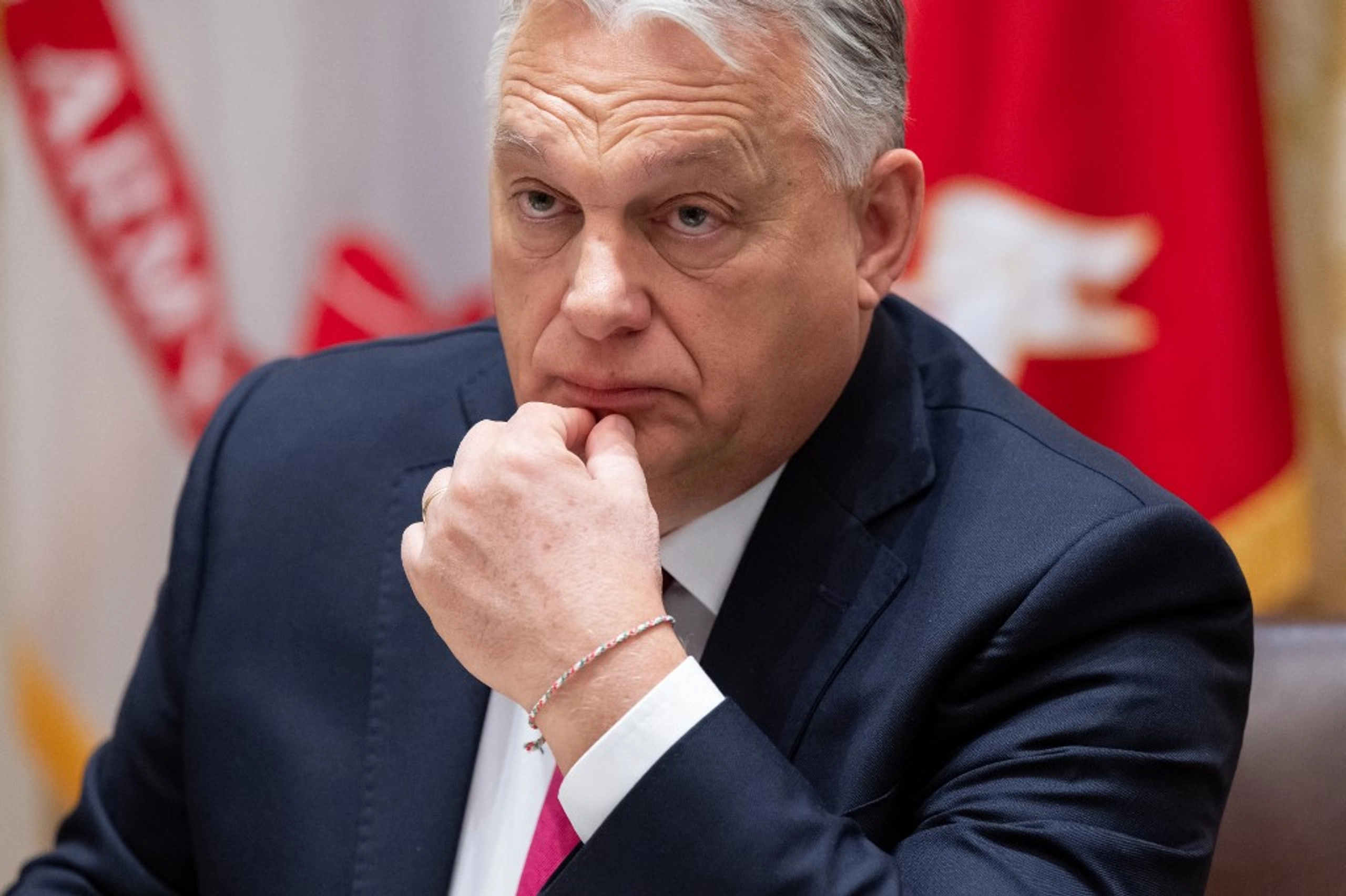
The blockade announcement followed failed talks in Pakistan aimed at ending the war, which began on 28 February. US President Donald Trump said the talks collapsed because Iran was “unwilling to give up its nuclear ambitions,” while Iran’s foreign ministry spokesman blamed what he called the U.S. “excessive demands and unlawful requests.”
In practical terms, a naval blockade around Iran means US and any partner warships would likely patrol approaches to Iranian ports, hail passing vessels, and check their destinations and cargoes. Ships judged to be headed for Iranian ports could be ordered to turn back, diverted to inspection areas, or detained, while traffic bound for non-Iranian ports in the region would be allowed to continue.
Trump said “other countries” would take part in the effort to blockade the strait, but did not name them. Blockades often raise questions under international law about freedom of navigation and the rights of neutral shipping, and are closely watched by commercial fleets, insurers, and regional governments worried about escalation.
What It Means for You
For people far from the Gulf, the most immediate impact is likely to be through energy markets and broader economic confidence. Any sustained risk to tankers or insurance costs in the Strait of Hormuz can feed into higher prices for gasoline, diesel, jet fuel, and heating oil, as well as renewed market volatility.
In the days ahead, analysts will watch whether more countries openly join the blockade, how Iran responds at sea or through other military means, and whether new diplomacy can ease tensions. Shipping companies, crews, and insurers will closely track official navigation notices, while households and investors may want to pay attention to fuel prices, inflation data, and any signs of broader regional conflict.
How do you think governments should balance global energy security with the legal and military risks of enforcing or challenging a naval blockade?
Sources
Sources: Statements attributed to US Central Command on planned enforcement of a naval blockade near Iran, 12 April 2026; Public remarks by US President Donald Trump on talks with Iran, Washington, 6 April 2026; Comments by an Iranian foreign ministry spokesman carried by state media, 12 April 2026; Reporting by BBC World section on developments in the Strait of Hormuz and regional conflict, 12 April 2026.