Why This Matters
Sen. Mark Warner of Virginia, a senior Democrat and vice chair of the Senate Intelligence Committee, says he is prepared to review any new White House request for money to fund the war with Iran. His comments highlight an emerging divide in Congress over how far to back President Donald Trump’s military campaign.
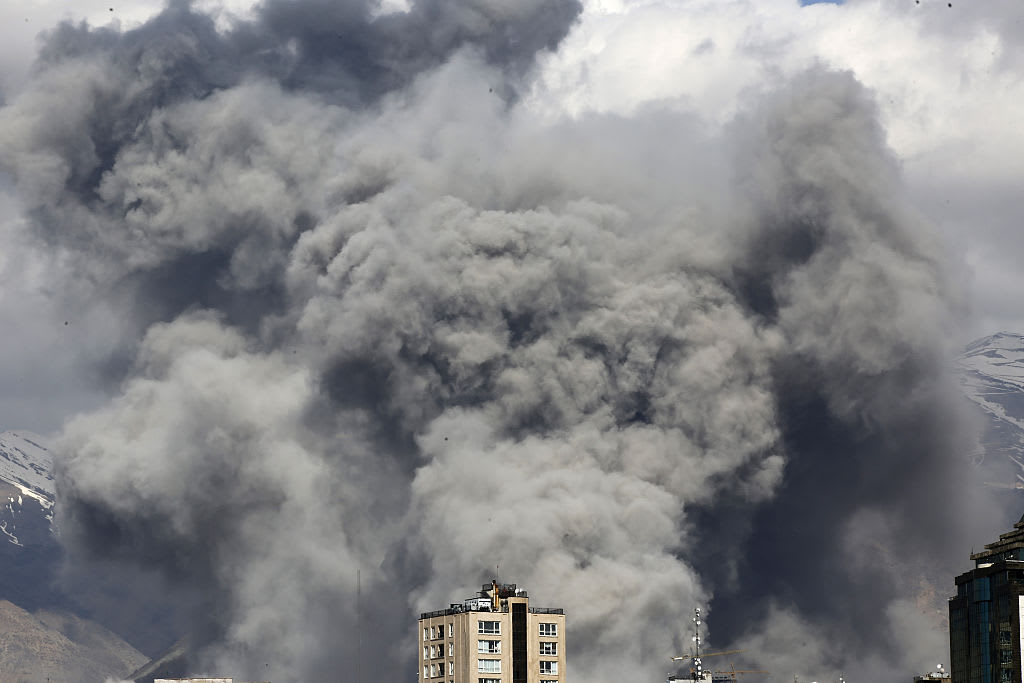
The conflict is already proving costly. Military officials have told lawmakers that the first week of fighting alone cost roughly $11.3 billion. According to reporting cited by lawmakers, the White House is expected to seek between 80 and 100 billion dollars in supplemental funding, on top of what the Pentagon had originally discussed.
Beyond the price tag, the debate goes to the heart of who decides when the United States goes to war. The 1973 War Powers Resolution caps unauthorized military engagements at 60 days, raising questions about whether Congress will insist on a formal authorization and clearer war aims as the conflict continues.
Key Facts and Quotes
Speaking Sunday on the CBS program Face the Nation, Warner said he would not automatically oppose more money for the Iran war. He said he would ‘take a look at anything’ the administration sends to Capitol Hill, but stressed that, in his view, the president should have consulted Congress and the public before launching the campaign.
Warner argued that the White House should first have told Americans and lawmakers that it was choosing war and explained its objectives. “Here is what I want to try to accomplish,” he said, the president should have laid out, criticizing the lack of an early, detailed plan presented to Congress.
The overall cost of the war remains uncertain. Members of Congress were briefed that the first week of operations cost about 11.3 billion dollars. The Washington Post has reported that the administration now plans to request 80 to 100 billion dollars in additional funding, scaled back from an initial Pentagon figure of nearly 200 billion dollars. Defense Secretary Pete Hegseth did not dispute that range at a news conference last month, saying only that the number could change.
Any request is likely to face tough scrutiny. Democrats have been sharply critical of Trump’s handling of the war, while some Republicans have warned that their support may fade if the conflict is still underway when the 60-day War Powers deadline arrives. Warner added another layer of concern, saying the administration did not clearly spell out its goals until about 10 days into the war.
He listed four objectives he understood the administration to have: changing Iran’s regime, constraining its uranium program, limiting its missiles, and securing the Strait of Hormuz, a key oil shipping lane. “On any honest assessment, I do not think we have accomplished any of them so far,” Warner said.
What It Means for You
A large new war funding package would ripple through the broader federal budget, potentially competing with domestic priorities and adding to the national debt. The outcome of this fight on Capitol Hill will help determine how long the United States stays deeply involved in the conflict and what resources are committed to it.
For citizens, the key questions to watch are whether the White House formally seeks congressional authorization for the use of military force, what conditions or oversight Congress may attach to any funding, and how clearly the administration defines its end goals. Those decisions will shape U.S. strategy, troop deployments, and the long-term costs of the Iran war.
What questions would you want lawmakers to ask before voting on any new funding for the Iran war?
Sources
CBS News interview with Sen. Mark Warner on Face the Nation, April 12, 2026; Washington Post reporting on projected Iran war funding request, April 7, 2026; Public remarks by Defense Secretary Pete Hegseth at a Pentagon news conference in March 2026; Briefings to members of Congress on initial Iran war costs in early April 2026.