Why This Matters
A bombed casino complex on Cambodia’s border with Thailand has been revealed as a vast scam hub, complete with fake Australian, Chinese and Brazilian police stations. The deserted compound offers a rare look inside an industrial-scale fraud operation that allegedly relied on forced labor and targeted victims around the world.

The discovery at the Royal Hill complex near the town of O Smach highlights how online scams have moved from small, hidden rooms into large, highly organized facilities. Investigators say these sites blend call centers, fake government offices, and financial fronts to make scams feel convincing to unsuspecting people thousands of miles away.
The case also underscores growing pressure on Cambodia’s political and business elite. It comes amid U.S. sanctions, international criticism over human trafficking, and a brief armed clash with Thailand, raising questions about how deeply powerful figures are entangled in the scam economy and how far any crackdown will really go.
Key Facts and Quotes
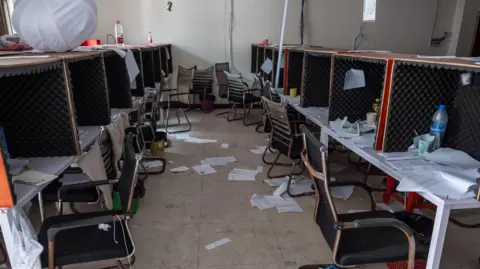
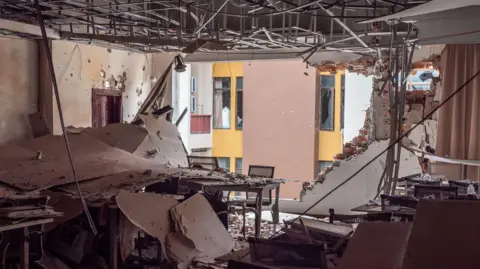
Reporters escorted by the Thai military found a six-story building behind the Royal Hill casino, divided into themed rooms. One recreated a Vietnamese bank; another mimicked an Australian police station, with a Chinese police shirt hanging in the corner. Motivational slogans were painted on the walls, including one in Chinese reading, “Money Coming From Everywhere,” and fake hundred-dollar bills littered the floor.
Next to a replica Brazilian police station, rows of soundproof booths held handwritten notes in Portuguese coaching workers on how to win victims’ trust. Investigators found a fake but realistic police summons in São Paulo, apparently accusing a target of money laundering and pressuring them to transfer funds or reveal banking details.
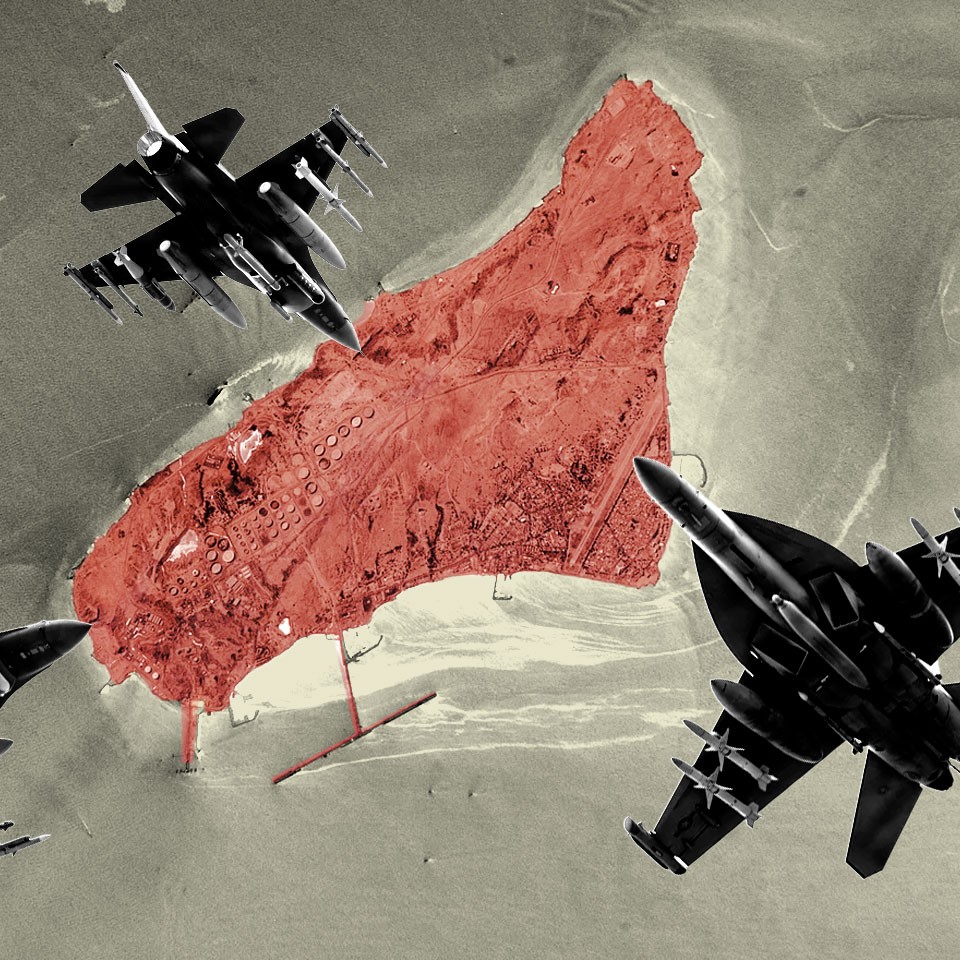
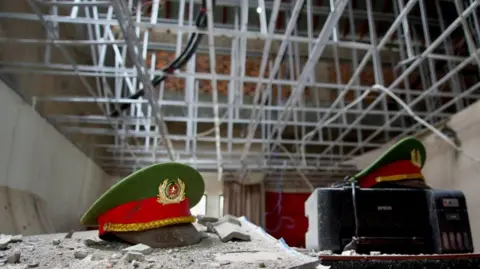
The compound sits just inside Cambodian territory, in a border casino zone long known for opaque business activity. Thousands of workers from multiple countries reportedly lived and worked there under strict control, defrauding people globally. In December, the Thai air force bombed the area during a short border conflict, saying Cambodian drones were being launched from the casino. The workers fled, leaving behind half-eaten meals and personal belongings.
Royal Hill’s owner, businessman Lim Heng, holds the honorary title Neak Oknha, placing him among a small group of wealthy Cambodian elites tied to the long-ruling Hun family. Across the road, the O Smach Casino is owned by tycoon Ly Yong Phat, who has been sanctioned by the United States and others for his alleged role in human trafficking and online fraud, according to official sanctions notices.
For years, international reports have accused Cambodia of failing to tackle scam compounds. The 2025 U.S. State Department trafficking report, as cited in coverage, said authorities had not prosecuted known operators. More recently, high-profile businessman Chen Zhi was removed to China to face fraud-related charges, and Li Xiong, linked to payment platform Huione Pay, was extradited. Thai officers who opened Royal Hill said they wanted the world to see the scale of the problem, telling reporters: “We need international help in shutting this scourge down.”
What It Means for You
The seized compound shows how far scammers now go to impersonate trusted institutions. Victims may receive calls or messages from what looks like a real police officer or bank, backed by convincing documents and official-sounding scripts. Law enforcement agencies urge people to be wary of unsolicited demands for money or personal data and to verify any contact through known, official channels.
For policymakers, Royal Hill is a test of whether regional governments will move beyond raids to pursue the financiers and political allies behind these schemes. Observers warn that shutting one site often just pushes operations to smaller, hidden compounds or neighboring countries. How Cambodia and its partners respond may shape the future map of global online fraud.
What kinds of safeguards, from personal precautions to international cooperation, do you believe would most effectively reduce the harm from large cross-border scam networks like these?
Sources
Sources: On-the-ground reporting from the Royal Hill and O Smach casino area in Cambodia, published by BBC on April 6, 2026; 2025 U.S. State Department Trafficking in Persons Report, as cited in that reporting; Public sanctions notices and official statements by U.S. authorities in 2024-2025 regarding Cambodian business figures alleged to be linked to online scam operations, as cited in coverage.