Why This Matters
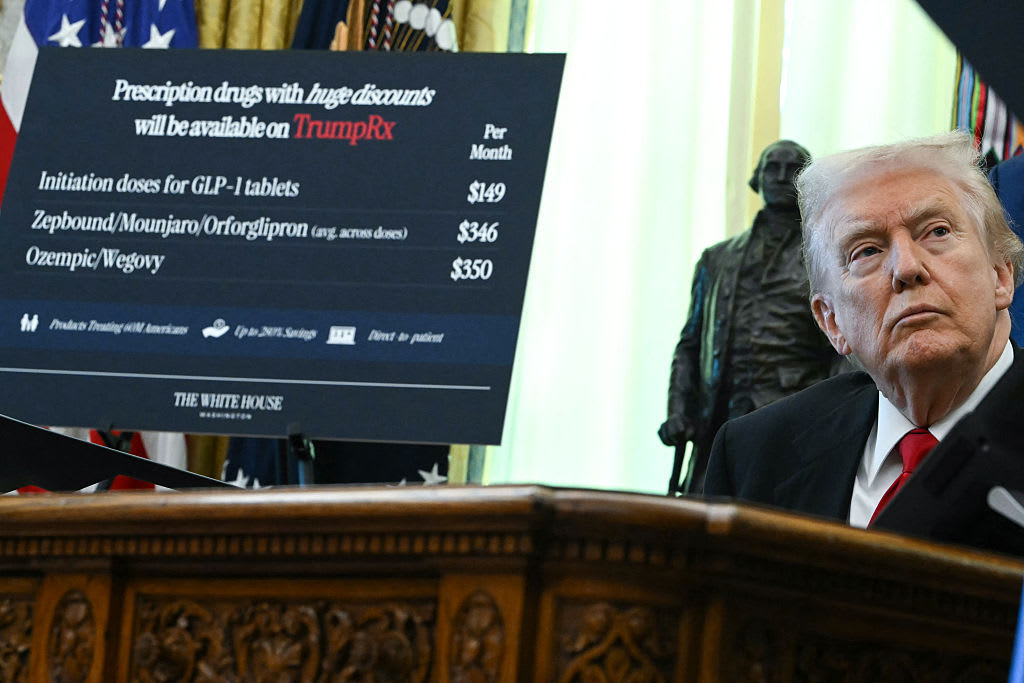
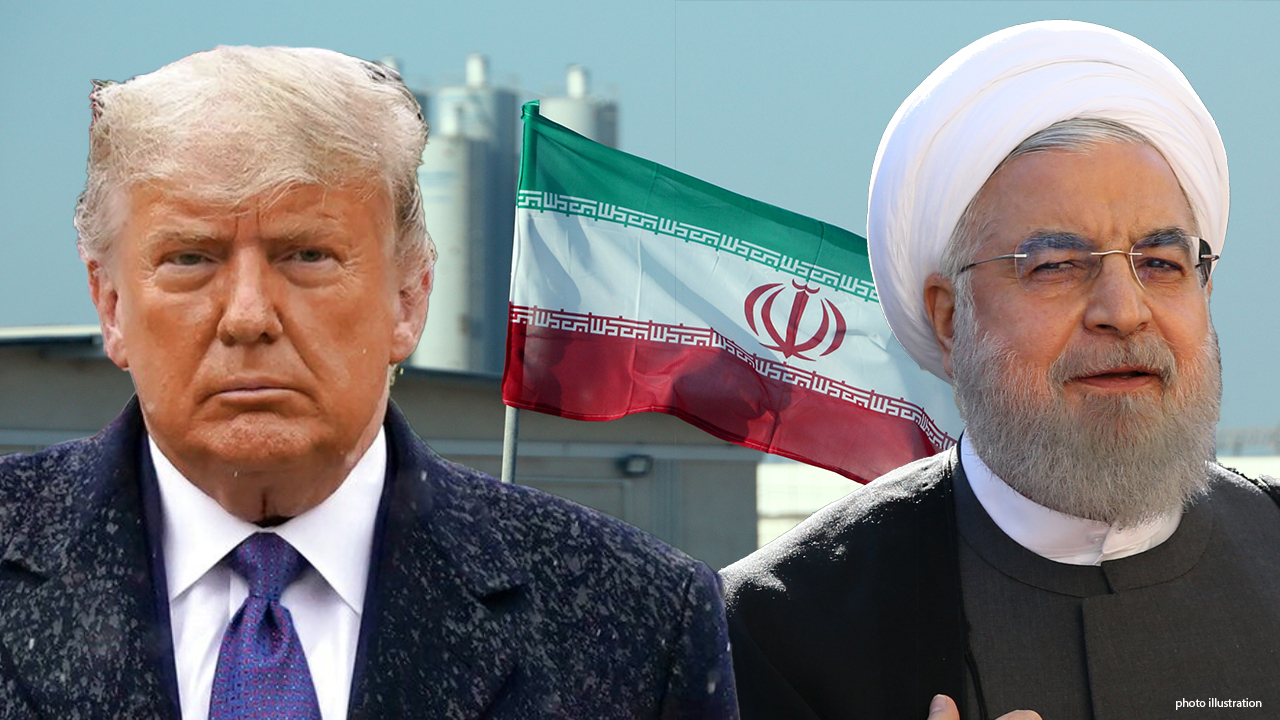
High-stakes diplomacy and stark military threats are converging in the Iran war, as President Trump weighs a Pakistani proposal for a 45-day ceasefire while warning he could destroy key Iranian infrastructure if talks fail. The outcome could shape the next phase of a fast-moving regional conflict.
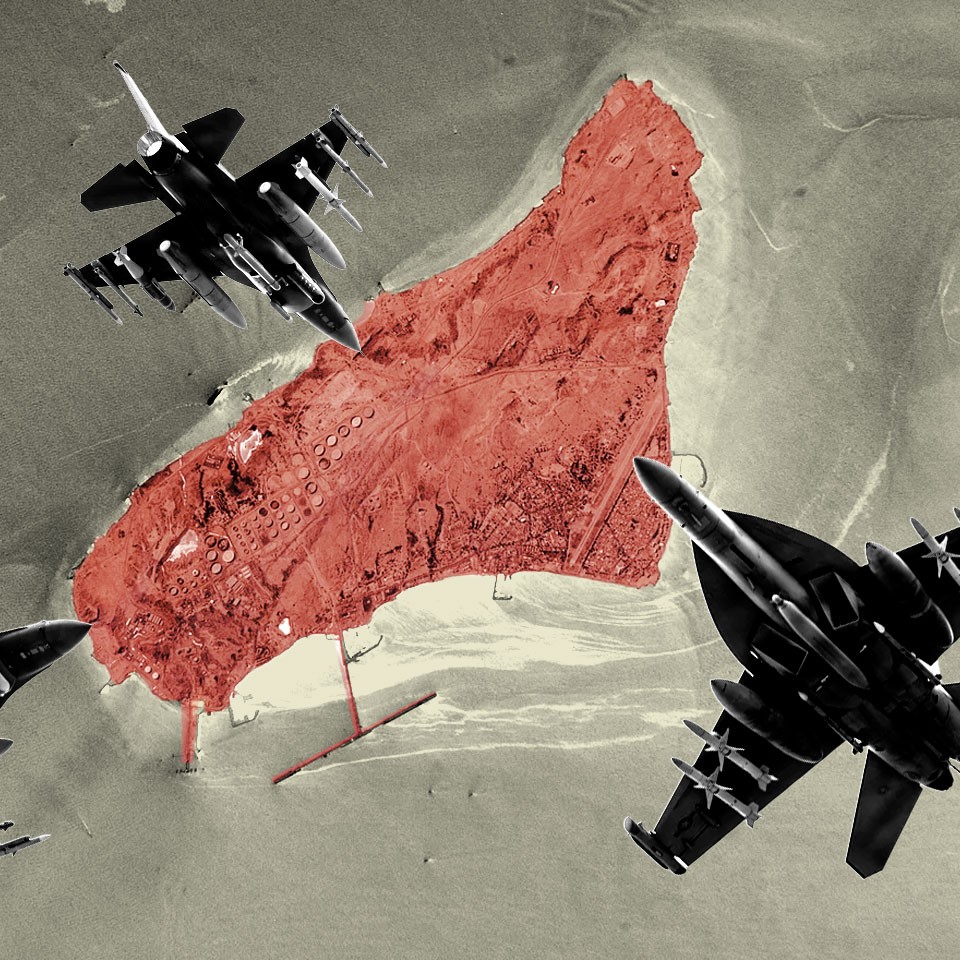
The Strait of Hormuz, at the center of the ceasefire proposal, is one of the world’s most important energy chokepoints. A prolonged shutdown or heavy fighting there could disrupt global oil supplies, raise fuel prices, and add new strain to an already uncertain world economy.
The crisis also sits on top of years of tense U.S.-Iran relations, from nuclear negotiations to past confrontations in the Gulf. That history, combined with Israel’s role in current strikes and Iran’s missile attacks, raises concerns that a miscalculation could pull in more countries and widen the war.
Key Facts and Quotes
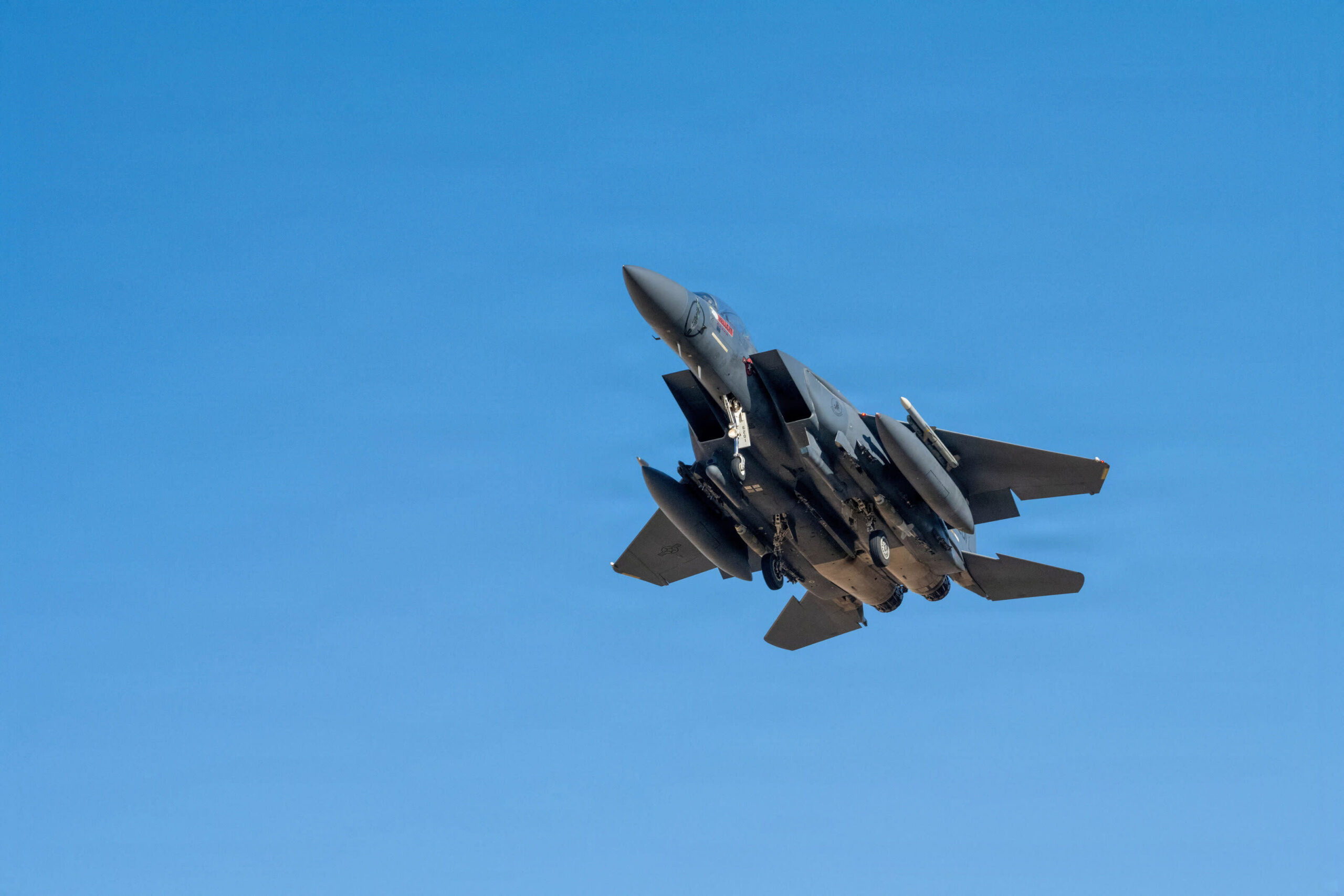
At the White House on Monday, Mr. Trump described a recent U.S. operation that rescued the two-man crew of an F-15E fighter jet deep inside Iran. He called it “one of the largest, most complex, most harrowing missions in U.S. history,” according to reporting by CBS News.
A diplomatic push is underway to slow the fighting. Pakistan has proposed a 45-day ceasefire aimed at reopening the Strait of Hormuz and reducing attacks. CBS News reports that Mr. Trump is considering the plan but has warned Iran that if it does not agree to a deal by Tuesday evening, he is prepared to “blow everything up,” including power plants and other civilian infrastructure.
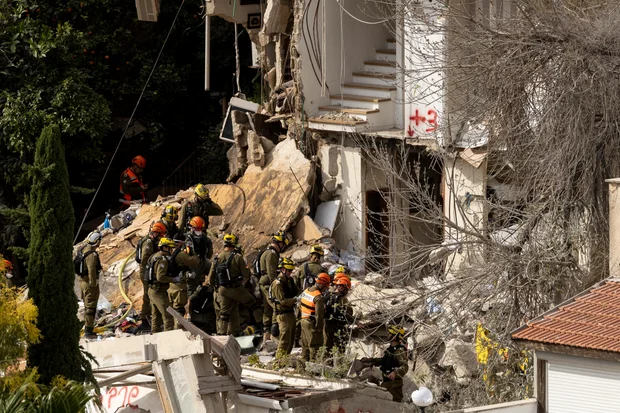
Military action continues on several fronts while talks unfold. According to CBS News, U.S.-Israeli strikes have killed leaders of Iran’s Revolutionary Guard Corps, and an apparent Iranian missile attack in Israel has reportedly left four people dead. Damage to infrastructure and housing has been seen on both sides of the conflict.
Financial markets are closely tracking the latest updates. CBS News reports that stocks and oil prices ticked higher as investors read the ceasefire proposal as a tentative sign of progress. Still, traders remain sensitive to any signal that the Strait of Hormuz could see renewed escalation or disruption.
What It Means for You
For Americans, the immediate effects are most likely to show up at the gas pump, in retirement accounts, and in broader economic sentiment. Even modest shifts in oil prices, driven by fears over the Strait of Hormuz, can ripple through transportation costs, inflation, and market volatility.
In the coming days, key signals will include Iran’s response to the Pakistani proposal, any adjustment in U.S. and Israeli military operations, and whether humanitarian access improves or worsens. How Congress, U.S. allies, and regional powers react to both the ceasefire bid and Washington’s threats will also help determine whether this conflict cools or deepens.
What developments in the Iran conflict and ceasefire talks are you watching most closely, and why?
Sources
CBS News live updates on Iran war and U.S. response, including White House remarks, April 6, 2026.