Why This Matters
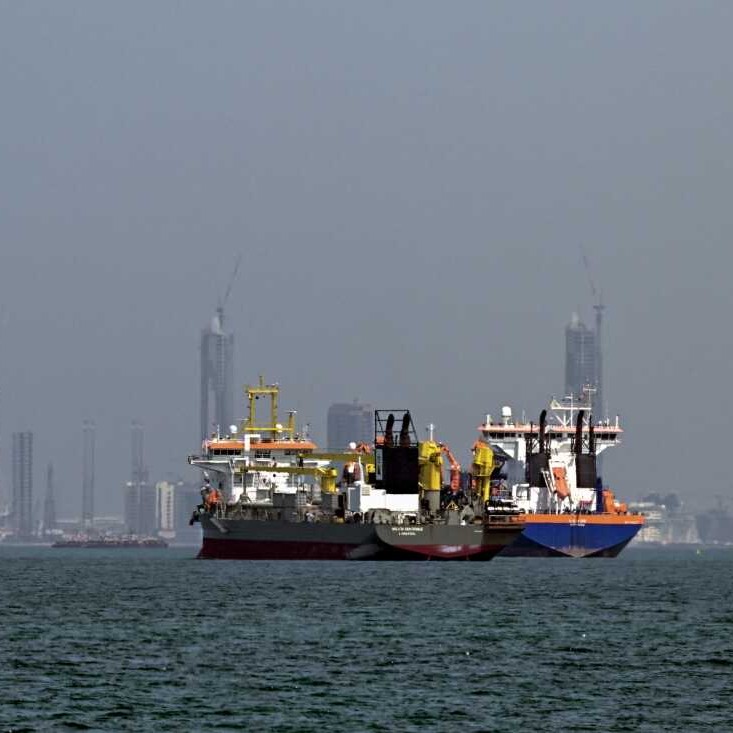
Vital medical supplies for some of the world’s most fragile health systems are piling up in warehouses instead of reaching patients. Aid groups say a growing bottleneck in Dubai, a major hub for relief cargo, is pushing already stretched clinics toward dangerous shortages.
The disruption comes as war in Iran has restricted shipping in the nearby Strait of Hormuz, a key route for fuel, fertilizers, and medicine. With fuel costs rising and transport options shrinking, the price of moving aid has surged just as needs are spiking.
Countries facing conflict, malnutrition, and disease outbreaks have limited capacity to absorb these shocks. When specialized foods and medicines expire on the dock rather than reach children and patients, the impact is measured in preventable illness and death.
Key Facts and Quotes
In Yemen, where chronic malnutrition and outbreaks of cholera, measles, and polio persist, Doctors Without Borders has more than 100 tons of therapeutic food for children under five stuck at Dubai’s Jebel Ali Port. Program manager Marc Schakal said pediatric wards are already beyond capacity, with “120% bed occupancy.”
“Our main priority is to have this therapeutic food arriving in Yemen on time,” Schakal said, warning that delays could cost young lives. The blocked shipment also includes key medications for ongoing treatment programs, according to the group.
The International Rescue Committee (IRC) and Save the Children told NPR that clinics and humanitarian centers across the Middle East, Asia, and Africa risk running out of basic drugs and food. IRC emergencies vice president Bob Kitchen, speaking from Nairobi, said a shipment bound for East Africa is blocked, and a U.N.-managed depot there holds “massive stocks that are now stuck” instead of reaching crises in Sudan, Ethiopia, and other parts of northeastern Africa.
Some items, such as tents and latrines, can wait. But Kitchen noted that medicines and malnutrition treatments will expire. “It’s extremely serious in countries that have very little resilience to shocks like this,” he said. “Whenever one piece of the puzzle is missing or delayed, the consequences are very, very severe.”
Jean Kaseya, director-general of the Africa Centres for Disease Control and Prevention, said at a press conference that the Hormuz disruption is also driving fuel shortages, raising transport costs and the price of health products like mosquito nets, which rely on petrochemicals. Save the Children CEO Janti Soeripto said the group has medicines stuck at a supplier’s warehouse in India that urgently need to reach Afghanistan, but conflict has closed road routes, and air freight costs have doubled in a month.
“Now the transport for the drugs is more expensive than the drugs themselves,” Soeripto said, adding that insurance costs for shipments have also soared. She noted that it is “ironic” that many aid groups had increased their stockpiles in Dubai in hopes of diversifying and stabilizing supply.
Kitchen described the current situation as “such a perfect storm,” citing surging needs in Gaza, Lebanon, Sudan, and Ethiopia, a broader economic shock affecting food, fuel, and fertilizers, and an estimated 300 million people already facing acute food insecurity. He said the crisis has been compounded by cuts to global aid under the Trump administration over the past year, which have reduced relief groups’ capacity to respond.
What It Means for You
For people in the United States, these supply chain disruptions may not immediately affect local pharmacies or hospitals, but they shape global stability. When health systems collapse abroad, it can fuel migration pressures, prolong conflicts, and increase the risk that infectious diseases spread across borders.
Looking ahead, the situation is a test of the resilience of humanitarian supply lines when major shipping routes are disrupted. Policymakers, donors, and aid organizations will be under pressure to find alternative routes, secure funding for higher transport and insurance costs, and protect time-sensitive cargo before it expires.
In moments like this, what kinds of international cooperation or investment do you think should be prioritized to keep essential medical supplies flowing to the places that need them most?
Sources
NPR reporting by Fatma Tanis, published April 6, 2026, including on-the-record comments from Doctors Without Borders, the International Rescue Committee, Save the Children, and Africa Centres for Disease Control and Prevention officials.