Why This Matters
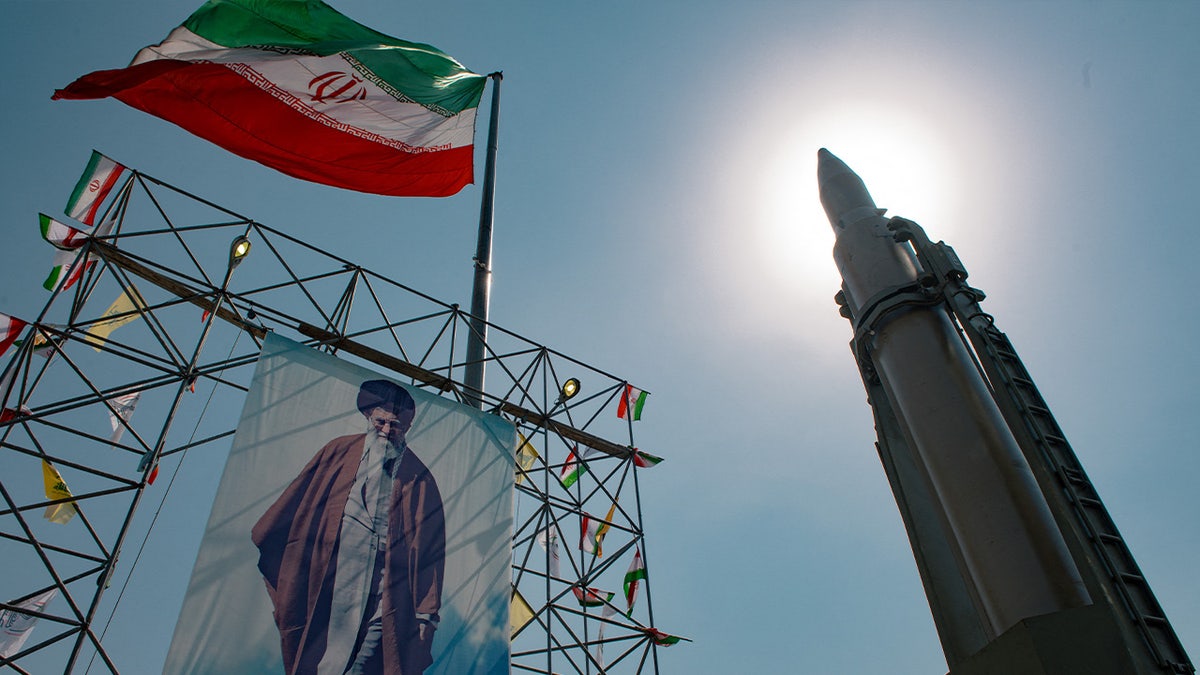
Iran has rejected a U.S. proposal for a temporary ceasefire and instead is pushing for terms it says would permanently end the war. That split over how to pause or end the fighting comes as President Donald Trump again threatens to bomb Iranian infrastructure if Tehran does not reopen the Strait of Hormuz.
The standoff matters far beyond the battlefield. The Strait of Hormuz is a narrow chokepoint through which a significant share of the world’s oil and gas is shipped. Any prolonged closure or escalation around it could disrupt global energy supplies and raise prices for consumers and businesses, including in the United States.
The latest exchange of threats and missile fire between Iran and Israel, combined with active U.S. involvement, is drawing in regional and international players. How this round of diplomacy and pressure is handled could help determine whether the conflict moves toward negotiations or a broader regional war.
Key Facts and Quotes
Iran’s state media said Monday that Tehran rejected a U.S. plan for a temporary ceasefire, instead offering its own proposal for a permanent end to the war. The Iranian side has signaled openness to a 45-day ceasefire tied to guarantees of a lasting settlement, according to Egyptian officials involved in mediation.
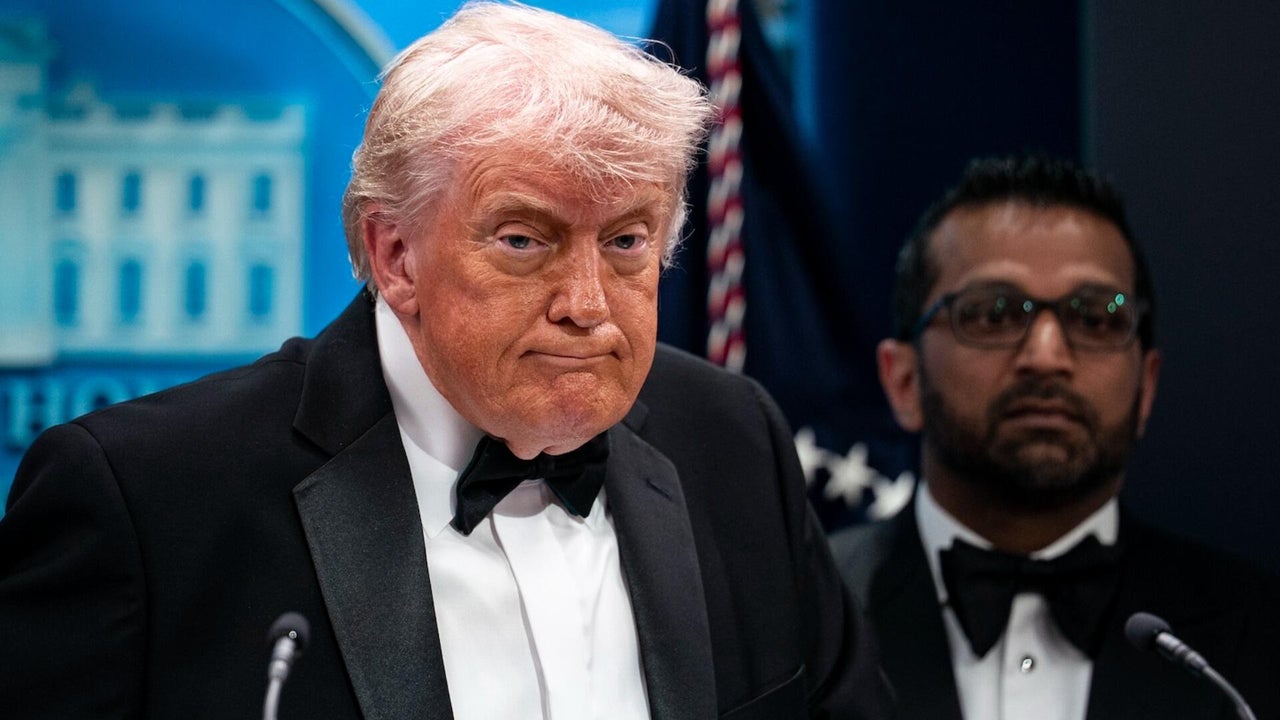
Speaking to reporters on the White House South Lawn, Trump called the current proposal “not good enough, but it’s a very significant step.” He again threatened to bomb Iranian bridges and power plants if Iran does not open the Strait of Hormuz. Asked if he was concerned about committing a war crime, he answered, “No. I hope I don’t have to do it,” and said he believed Iranians were willing to endure more bombing to gain freedom.
Legal experts say that striking civilian infrastructure that does not directly support military operations could qualify as a war crime under international law. Iranian officials have condemned Trump’s comments as threats to commit atrocities. Iran’s foreign ministry also said its representatives met with Qatari officials to discuss options to keep maritime traffic moving safely through the Strait of Hormuz, and later posted on X that experts from both sides had presented proposals to be studied.
On the battlefield, Iran confirmed the killing of Maj. Gen. Majid Khademi, the intelligence chief of the Revolutionary Guard, in a strike for which Israel claimed responsibility. Israel’s defense minister, Israel Katz, said Israeli forces would continue to “hunt down Iran’s leaders one by one” and threatened to destroy Iranian national infrastructure if Iran keeps firing at Israeli civilians. Iranian missiles struck Tel Aviv, other central towns, and the northern port city of Haifa on Monday; emergency service Magen David Adom reported treating four people for mild injuries in Haifa and showed smoke and fire in a residential area.
Pakistan, Egypt, and Turkey are coordinating diplomatic efforts aimed at a negotiated settlement. European Council President Antonio Costa said he welcomed regional peace efforts and urged Iranian President Masoud Pezeshkian by phone to halt attacks on other countries. Qatar’s prime minister has held calls with officials from India, Spain, and Norway to stress the need for talks that protect global energy security, regional stability, freedom of navigation, and environmental safety. Anwar Gargash, a senior adviser to the United Arab Emirates leadership, told NPR his country wants an end to the conflict, but not a ceasefire that leaves the region in a state of constant instability.
What It Means for You
For people in the United States, the immediate impact is most likely to be felt through energy prices and financial markets. Any sign that the Strait of Hormuz could remain closed, or that major oil and gas facilities in the region are at risk, tends to push up global fuel and shipping prices, with ripple effects on inflation and economic confidence.
The trajectory of this conflict will also shape U.S. foreign policy and military commitments in the Middle East. Americans may see changes in travel advisories, defense spending priorities, and debates in Washington over how hard to pressure Iran, how closely to coordinate with Israel, and how to support regional diplomacy aimed at preventing a wider war.
In a situation where both escalation and negotiation remain possible, what kinds of diplomatic steps do you think should be prioritized to reduce the risk of a wider regional war?
Sources
NPR reporting and interviews with regional officials, April 6, 2026; statements carried by Iranian state media, April 6, 2026; remarks by President Donald Trump to reporters at the White House, April 6, 2026; Qatari Foreign Ministry statements and social media posts, April 5-6, 2026; statements from Israel’s Defense Ministry and Magen David Adom, April 6, 2026; public comments by European Council President Antonio Costa and UAE adviser Anwar Gargash in early April 2026.