Why This Matters
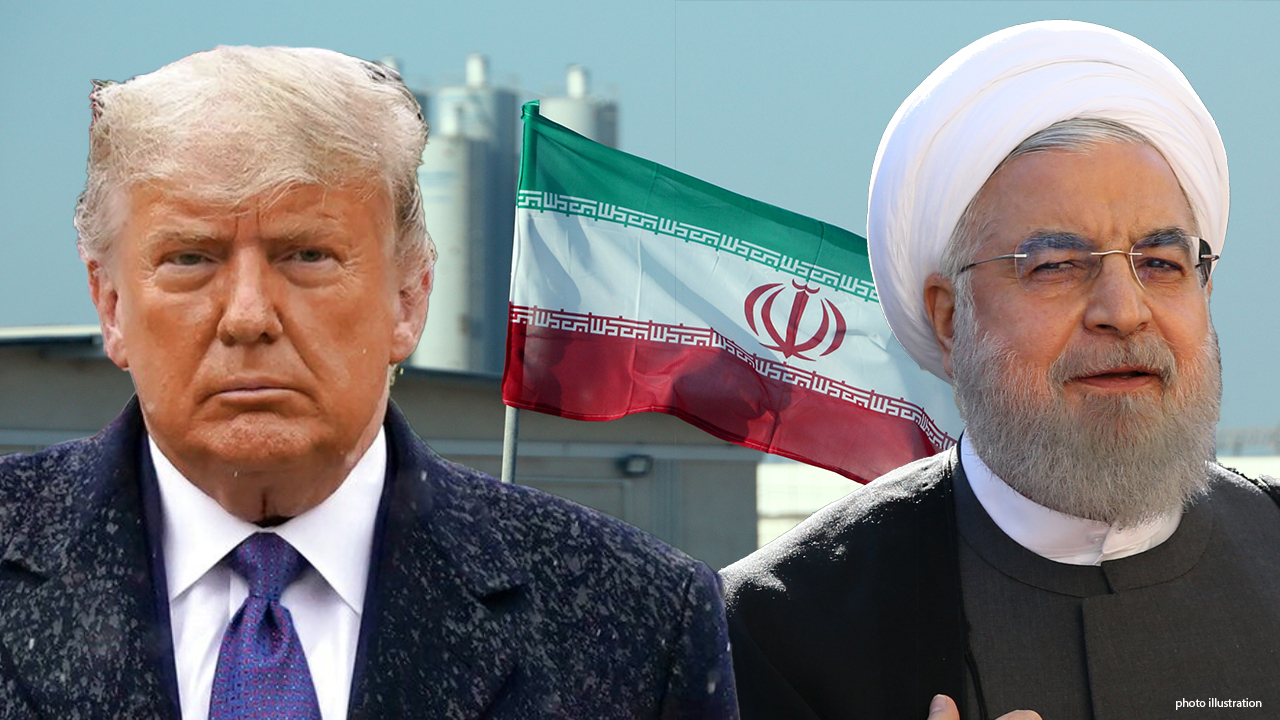
President Trump’s account of a high-risk mission to recover two downed U.S. airmen in Iran comes as the conflict enters what he called a critical period, tying battlefield decisions directly to fast-moving diplomacy and public threats of large-scale strikes.
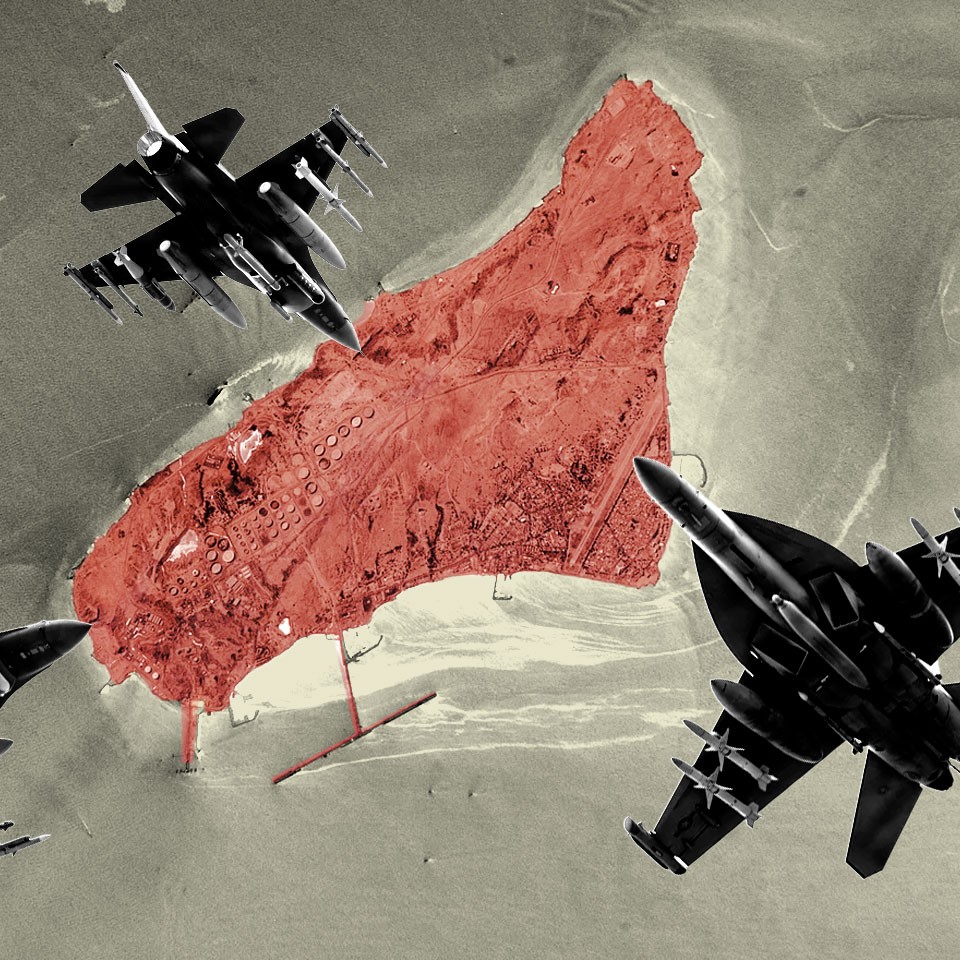
The president has set an 8 p.m. ET Tuesday deadline for Iran to agree to reopen the Strait of Hormuz, a narrow waterway that carries a large share of the world’s exported oil. Any escalation there could disrupt global energy supplies and unsettle financial markets.
At the same time, Trump’s description of a massive rescue operation underscores the risks facing U.S. service members and the high-level calculations involved in authorizing missions that could either save lives or widen the war with Iran.
Key Facts and Quotes
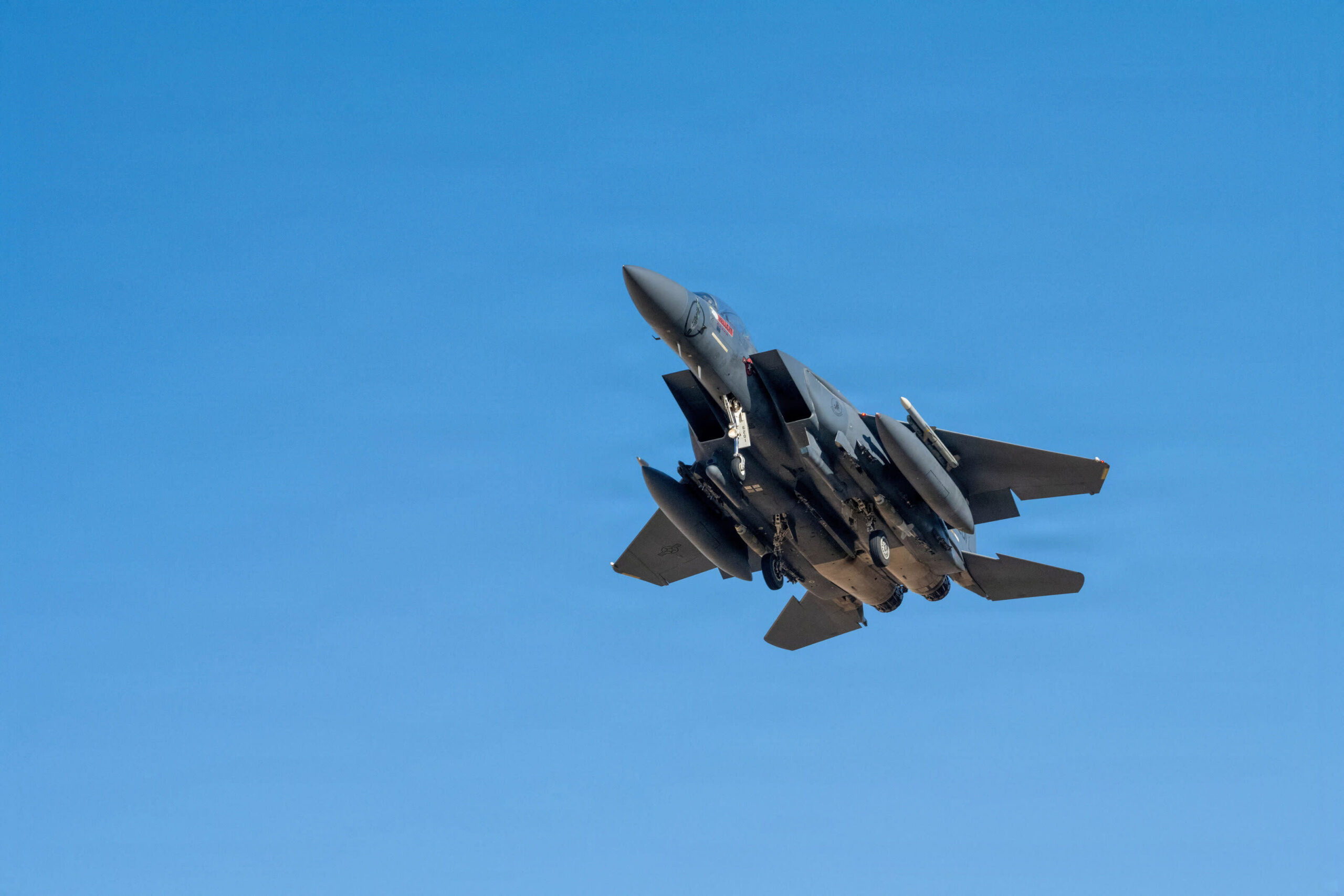
According to Trump, an American F-15E fighter jet was shot down by Iranian fire on Friday using what he described as a handheld, heat-seeking shoulder missile. The pilot was rescued that day, but the second crew member, a weapons systems officer, was badly injured and stranded in Iran’s mountainous terrain for nearly 48 hours.
Trump said he ordered U.S. forces to do “whatever was necessary” to recover both men, acknowledging it was a “risky decision” that could have resulted in “100 dead as opposed to one or two.” CBS News reported the mission involved more than 150 aircraft and over 200 munitions, with hundreds of Americans ultimately taking part.
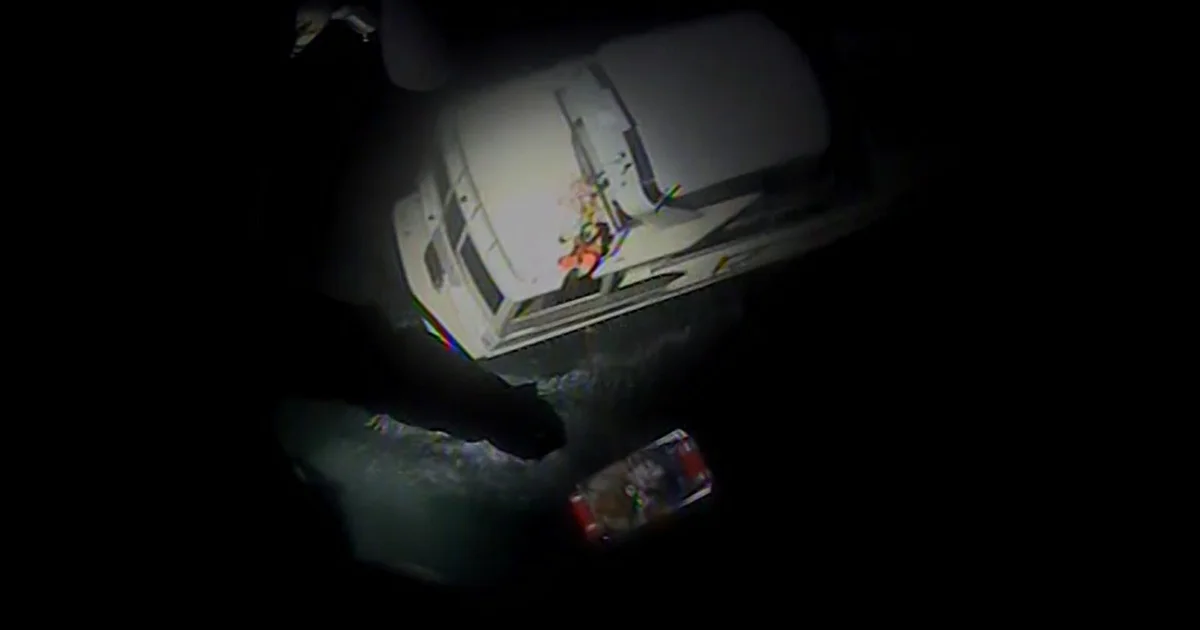
Defense Secretary Pete Hegseth said the stranded airman had only a handgun and relied on his training to climb to higher ground, treat his wounds, and make contact. When he accessed his emergency transponder, Hegseth said, his first message was, “God is good.” U.S. helicopters and supporting aircraft, including A-10 jets and drones, engaged enemy forces at close range to enable the rescues, and an A-10 pilot later ejected over friendly territory and was safely recovered.
CIA Director John Ratcliffe likened the challenge to finding “a single grain of sand in the middle of a desert.” He said the agency mounted a deception campaign to confuse Iranian forces searching for the American and ultimately confirmed the airman was alive and hidden in a mountain crevice. Trump said U.S. forces were dispersed across several locations to mislead Iran’s “vast military force” as they hunted for the downed crew member.
Looking ahead, Trump warned that if Iran does not agree to reopen the Strait of Hormuz by Tuesday night, the U.S. could target “every bridge” and “every power plant in Iran,” saying the country’s infrastructure “could be taken out in one night.” He added, “We don’t want that to happen,” and said a diplomatic effort is underway, including consideration of a reported Pakistani proposal for a 45-day ceasefire.
The president said Iranian representatives are “negotiating, we think, in good faith” and described them as an “active, willing participant” in talks, but he declined to predict how long the war with Iran will last, saying, “It depends what they do.”
What It Means for You
For Americans, the rescue highlights both the capabilities and risks of modern U.S. military operations and the possibility that any misstep could trigger broader fighting. A clash that closes or restricts the Strait of Hormuz could quickly affect gasoline prices, retirement accounts, and economic confidence at home.
Trump’s hard deadline and public threats of targeting Iranian infrastructure may shape debates in Washington and among allies over war powers, acceptable targets, and how to balance pressure on Iran with efforts to limit civilian harm. In the coming days, the key signals will be whether Iran moves to reopen the strait, whether a temporary ceasefire takes shape, and how the U.S. responds if no agreement is reached.
How do you think U.S. leaders should weigh rescuing troops, deterring adversaries, and avoiding a wider war when crises like this reach a breaking point?
Sources
CBS News report by Kaia Hubbard, “Trump and top officials share new details of rescue of U.S. airmen from Iran,” April 6, 2026; Remarks by President Donald Trump, Defense Secretary Pete Hegseth, Joint Chiefs Chairman Gen. Dan Caine, and CIA Director John Ratcliffe at a White House news conference, as quoted in CBS News, April 6, 2026.