Why This Matters
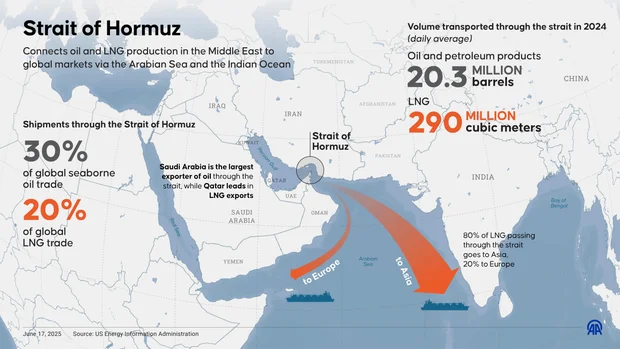
A new analysis warns that the war involving Iran will continue to squeeze global oil supplies even if fighting pauses and the Strait of Hormuz reopens quickly. The Strait, a narrow waterway between Iran and Oman, is one of the world’s most important routes for moving crude oil by sea.
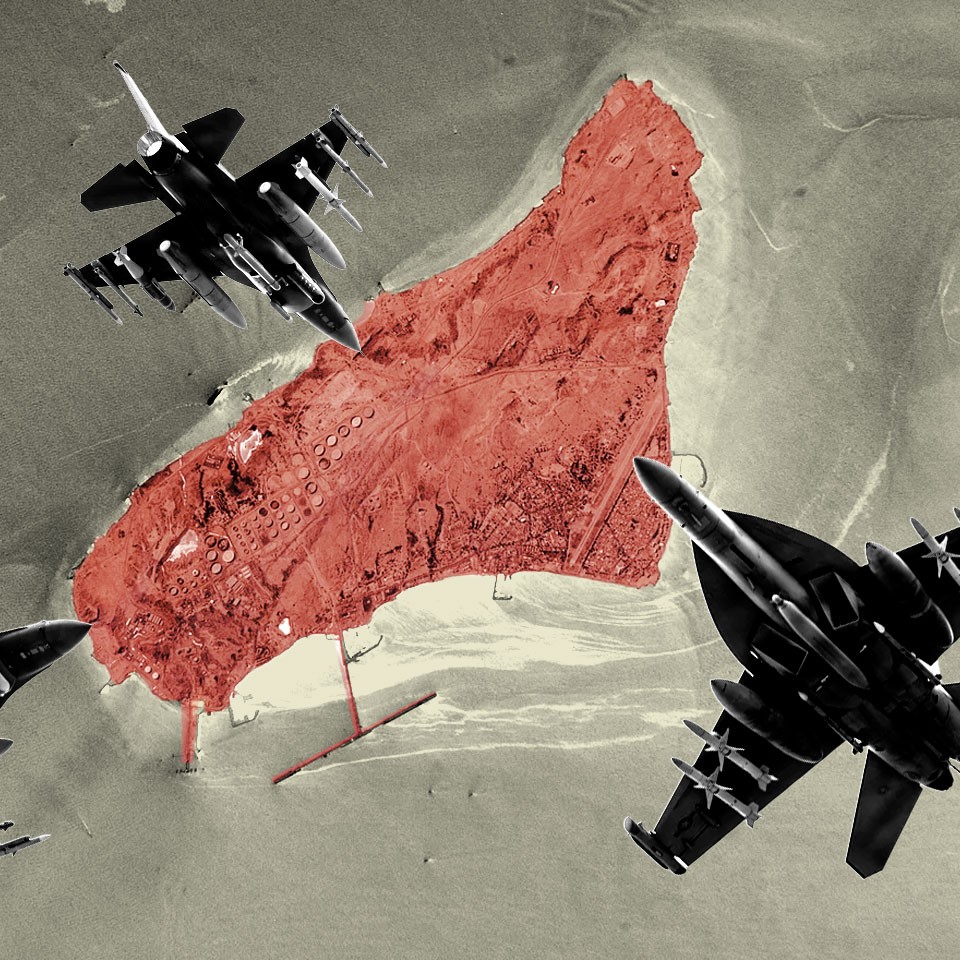
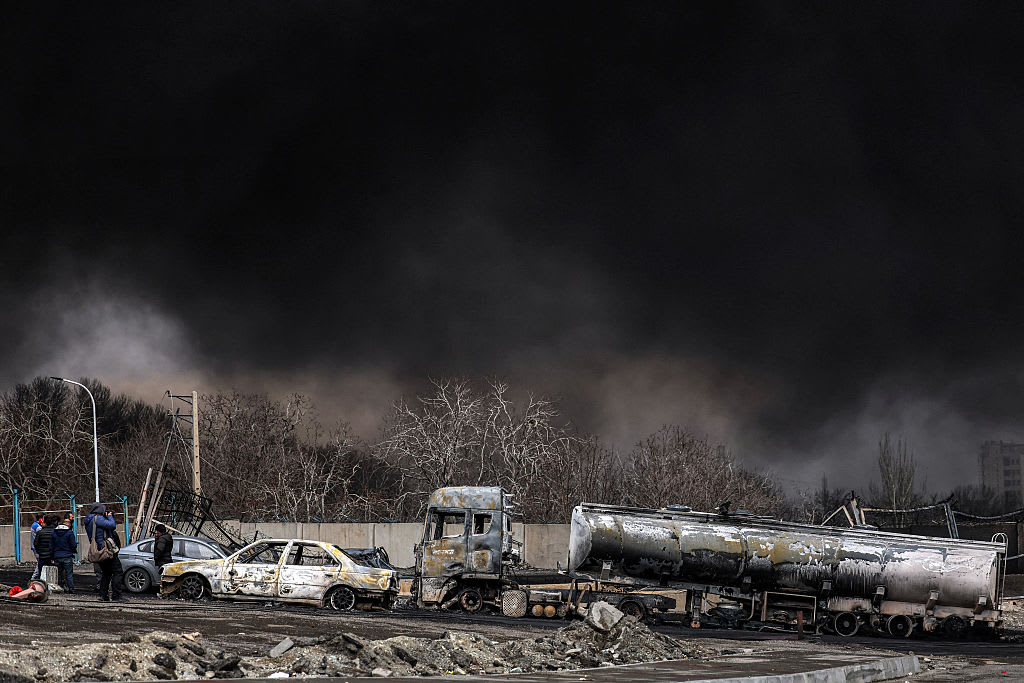
With shipping through Hormuz sharply reduced and energy facilities in the Persian Gulf damaged, experts say it could take months for exports to return to normal. That kind of drawn-out disruption can keep oil prices elevated, ripple through financial markets, and feed inflation around the world.
For U.S. households, the conflict is already visible at the gas pump. Higher crude prices tend to translate into more expensive gasoline, diesel, and jet fuel, raising everyday costs for driving, flying, and shipping goods.
Key Facts and Quotes
Henning Gloystein, managing director for energy, industry, and resources at the risk consultancy Eurasia Group, said it will take “several months” to repair oil refineries and other energy infrastructure in the Persian Gulf damaged in the conflict. His assessment was published on Monday, according to CBS News.
Gloystein also noted that shipping companies operating oil tankers in the region would likely need at least two months to resume more normal operations even if the war is suspended. A United Nations panel reported that daily ship transits through the Strait of Hormuz plunged from about 130 in February to just six in March, leaving the route “virtually closed” to tankers.
As a sign of the disruption, Gloystein said there are at least 70 large, empty crude tankers anchored off Singapore and Malaysia with a capacity for roughly 100 million barrels of oil. The trip from Singapore to the Gulf takes about four weeks, meaning those vessels would not be able to start delivering Middle Eastern crude to Asian refineries until roughly eight weeks after departing.
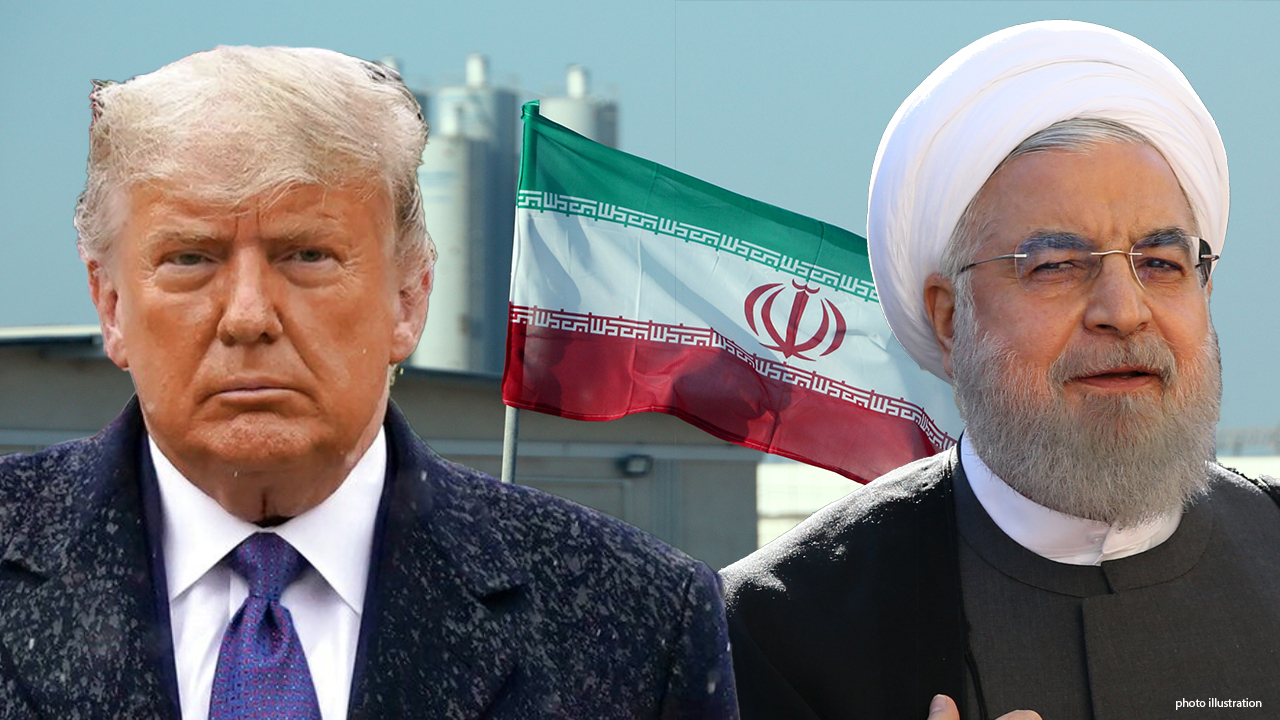
President Trump said Monday that Iran is negotiating “in good faith” over a possible ceasefire and called reopening the Strait of Hormuz a “very big priority.” He also warned how easy it can be to threaten the waterway, saying, “We can bomb the hell out of them. We can knock them out for a loop. But to close the Strait, all you need is one terrorist that somehow has a truck loaded” with mines to drop in the water.
Oil prices rose on Monday as traders weighed the chances of a break in hostilities among the U.S., Israel, and Iran. Benchmark U.S. crude climbed 1.3% to $113.09 a barrel, while Brent crude, the global benchmark, gained 1.2% to $110.37, both well above the roughly $70 level before the war, according to the report.
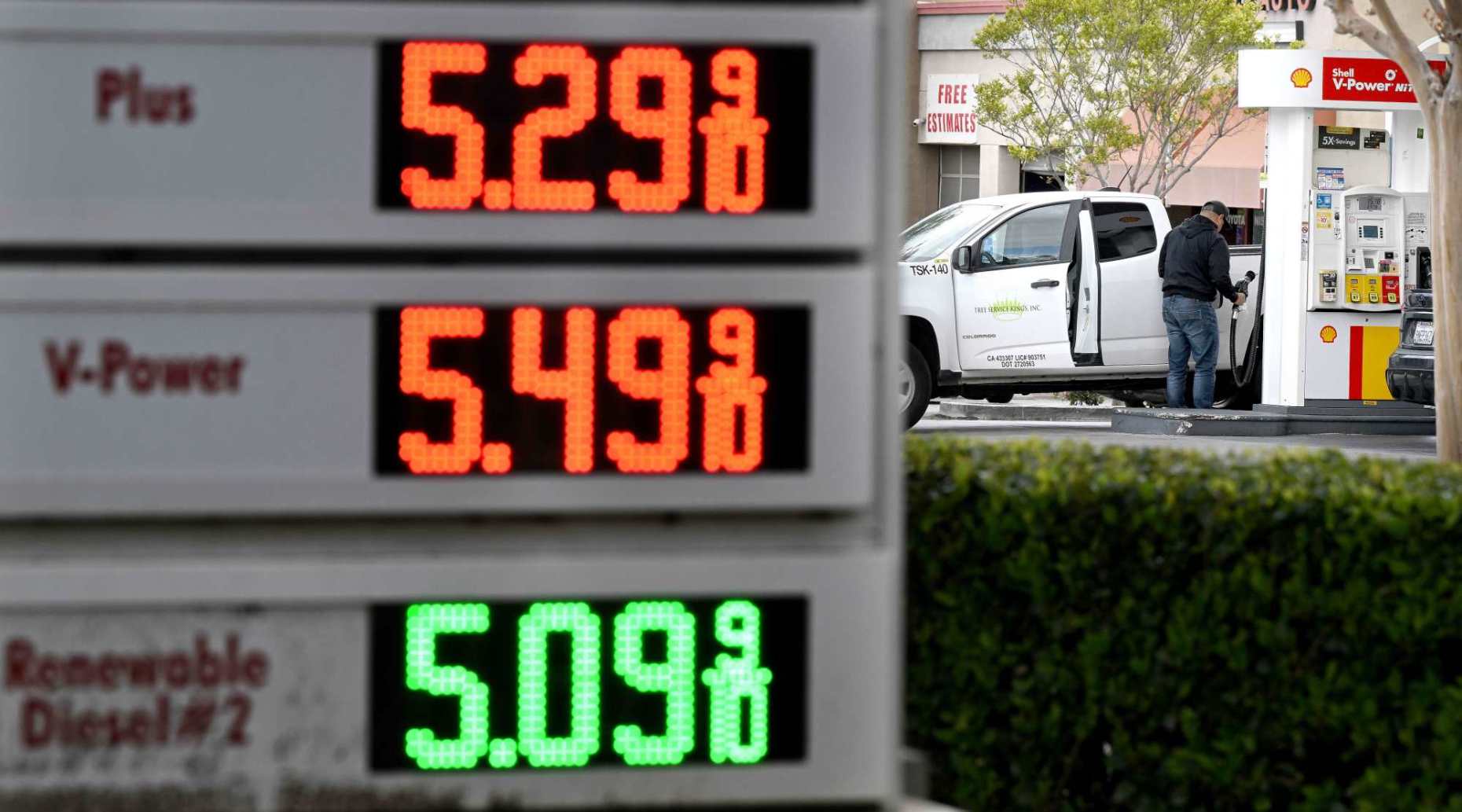
In the U.S., the average price of regular gasoline reached $4.12 a gallon on Monday, up from $2.98 just before the conflict and the highest since 2022, according to data from the motor club AAA. In the near term, “oil markets will remain undersupplied, even with some increase in shipping through the Strait of Hormuz,” Gloystein said, adding that the tightness shows up in record-high prices for jet fuel and bunker fuel used in aviation and shipping.
What It Means for You
If the analysis proves accurate, American drivers and travelers could face higher fuel bills for months rather than weeks. Elevated crude and refined fuel prices tend to show up not only at gas stations and airports but also in the cost of groceries, online shopping deliveries, and other goods that depend on trucking and shipping.
Looking ahead, key signals to watch include progress in ceasefire talks, any verified reopening of the Strait of Hormuz to normal tanker traffic, and reports on how quickly damaged refineries and export terminals are repaired. Changes in fuel prices from week to week will offer one of the clearest, everyday indicators of how the crisis is playing out.
How do you think prolonged higher fuel prices would most noticeably affect your day-to-day life or spending priorities?
Sources
CBS News MoneyWatch report by Alain Sherter, published April 4, 2026 and updated April 6, 2026; Analysis by Henning Gloystein of Eurasia Group, cited in the CBS News report, April 2026; United Nations panel report on shipping through the Strait of Hormuz, as described in the CBS News article, April 2026; AAA U.S. gasoline price data, April 2026, cited in the CBS News report.