Why This Matters
Two large wildfires in southeastern Georgia have already destroyed more than 120 homes and remain only partially contained, with officials warning that stronger winds could push flames toward additional communities. State leaders say one of the blazes has already become the most destructive single wildfire in Georgia’s recorded history.
The fires are part of an unusually active spring wildfire season across the Southeast. According to scientists cited in official updates, conditions have worsened due to a mix of extreme drought, gusty winds, climate change, and dead trees left behind after Hurricane Helene swept the region in 2024.
Smoke from more than 150 wildfires in Georgia and Florida has drifted far from the fire lines, prompting air quality warnings in some cities. That means the impact reaches well beyond evacuated zones, disrupting daily life and stretching firefighting resources across state and county lines.
Key Facts and Quotes
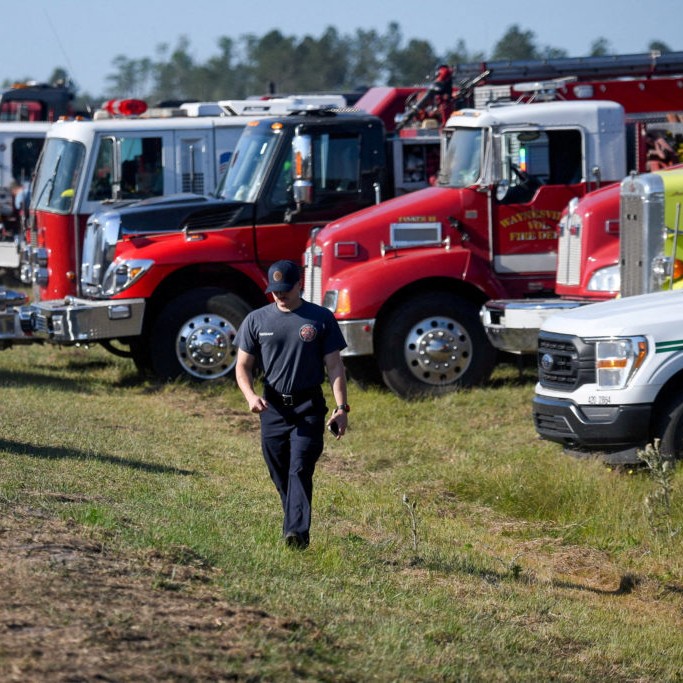
Officials say two major fires are driving the current emergency. Brantley County Manager Joey Cason called the situation “dynamic” in a Saturday video message and urged residents to leave if ordered. “This fire is going to move rapidly, once these winds get here later today,” he said, adding a plea to “please evacuate” when local authorities give the signal.
The Highway 82 Fire in Brantley County, near the town of Nahunta, has been burning since Monday. Georgia Gov. Brian Kemp said Friday that the blaze has destroyed at least 87 homes, the most ever lost in a single wildfire in the state. Officials reported that the fire’s perimeter now covers more than 14.8 square miles and is only about 10% contained.
Investigators say the Highway 82 Fire started when a foil balloon hit live power lines, causing an electrical arc that ignited dry material on the ground. An overnight infrared flight, which detects heat signatures, was used Friday to map the blaze and guide firefighters as they try to protect homes and build containment lines.
About 70 miles to the southwest, another wildfire is burning in Clinch and Echols counties near the Florida border. Authorities say that the blaze has scorched more than 46.9 square miles and destroyed at least 35 homes. It began with sparks from a welding operation and, like the Highway 82 Fire, was only about 10% contained as of midday Saturday, according to official updates.
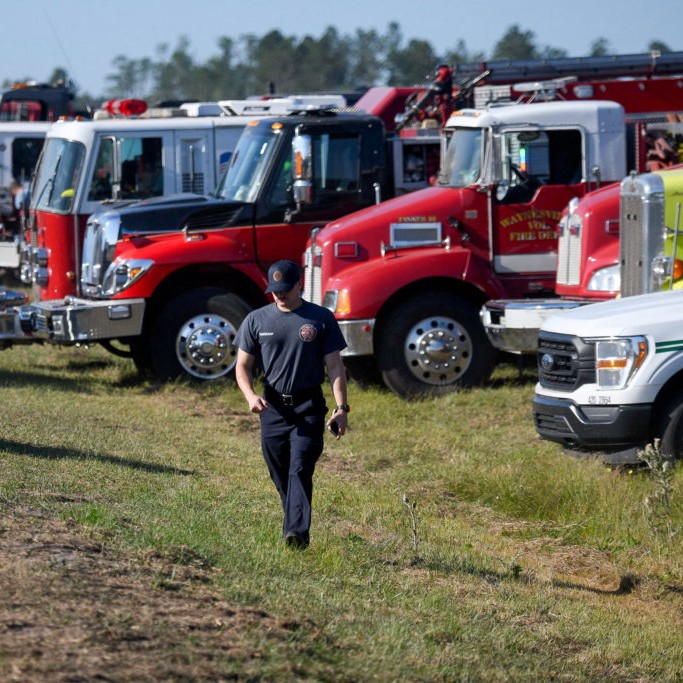
Firefighters are also dealing with more than 150 other wildfires across Georgia and Florida, which have sent a smoky haze over wider areas and triggered air quality alerts. Scientists say the surge in fires this spring reflects a dangerous combination of dry weather, strong winds, long-term warming, and storm-damaged forests. In northern Florida, officials reported that volunteer firefighter James “Kevin” Crews of the Nassau County Sheriff’s Office died Thursday after a medical emergency while battling a brush fire. No fire-related deaths or injuries had been reported in Georgia as of Saturday.
What It Means for You
For people living in or near fire-prone areas of the Southeast, the latest update underscores how quickly conditions can change. Local officials in Georgia are urging residents to stay alert to evacuation orders, be ready to leave on short notice, and monitor county emergency channels as winds shift and containment remains low.
More broadly, these fires highlight how wildfire risk is no longer confined to the West. As drought, heat, and storm damage reshape forests and rural landscapes, communities across the South may see more seasonal smoke advisories, burn bans, and fast-moving fires. Homeowners, local governments, and insurers are likely to face growing pressure to plan for these threats before peak fire conditions arrive.
How do you think communities in regions that were not traditionally wildfire hot spots should adapt to this kind of fast-changing fire risk?
Sources
Associated Press report published by PBS NewsHour on April 25, 2026; Public statements from Georgia officials, including Gov. Brian Kemp and Brantley County Manager Joey Cason, as cited in that report.