Why This Matters
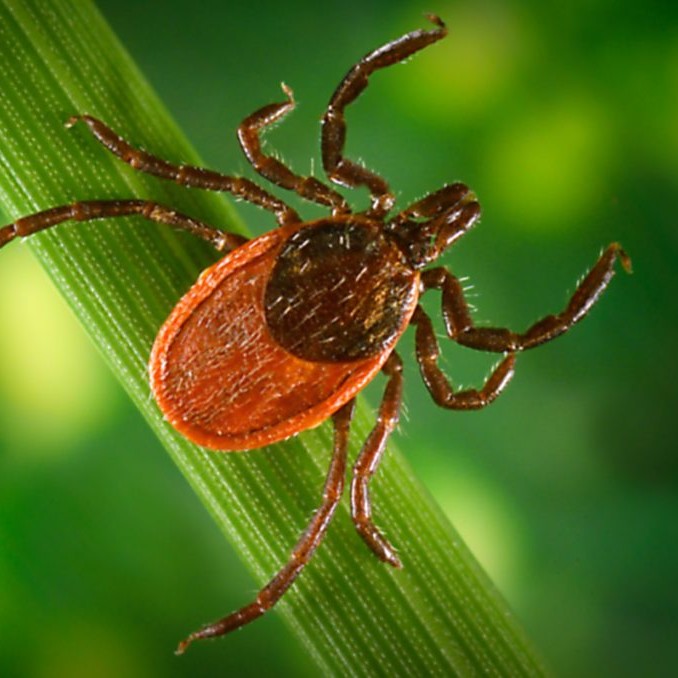
Tick season is starting earlier and more intensely than usual across much of the United States, and doctors are warning that this could translate into more tick-borne illnesses in the months ahead. Federal data already show an unusually high number of people seeking emergency care for tick bites this spring.
That matters because ticks can carry serious infections, including Lyme disease, Rocky Mountain spotted fever, and alpha-gal syndrome, a tick-linked allergy to red meat. The Centers for Disease Control and Prevention (CDC) estimates roughly 476,000 people are treated for Lyme disease each year, and delayed treatment can lead to long-lasting joint, heart, and nerve problems.
Researchers say warmer, wetter conditions and shifts in wildlife are helping ticks spread into new areas and stay active longer into the year. With summer approaching and more people heading outdoors for work and recreation, public health officials are urging extra caution, especially in the Northeast, Upper Midwest, and other wooded or grassy regions.
Key Facts and Quotes
Early numbers from the CDC’s emergency department tracking system show weekly ER visit rates for tick bites are the highest for this time of year since 2017 in every U.S. region except the south-central states. About 85% of emergency departments contribute to that system, meaning the true number of tick encounters is likely higher because it does not include urgent care or primary care visits.
In response, the CDC issued an early-season advisory urging the public to take steps to avoid tick bites rather than waiting for the usual May spike. “The data are telling us now is the time to take action,” said Alison Hinckley, a Lyme disease expert at the agency. Infectious disease physician Dr. Alina Filozov added that “if you have a lot of exposures, there will probably be more cases of tick-related infections.”
Connecticut, where Lyme disease was first identified, is seeing especially strong early activity. The Connecticut Agricultural Experiment Station reports residents are submitting about 30 ticks per day for testing, and state officials say roughly 40% of those ticks carry the bacteria that cause Lyme disease. Tick researcher Scott Williams points to recent surges in mice and other host animals, while wildlife biologist Megan Linske describes current figures as an “early snapshot” and expects ticks to keep spreading into more areas.
What It Means for You
Health experts recommend simple precautions for anyone spending time outdoors in wooded, brushy, or grassy areas. Stay in the center of trails, avoid brushing against tall grass, and keep lawns and yard edges well-maintained. Wear light-colored clothing so ticks are easier to spot, consider treating clothing and gear with the insecticide permethrin, and apply Environmental Protection Agency (EPA)-registered repellents as directed.
After being outside, conduct a full-body tick check on yourself, children, and pets, paying close attention to the scalp, behind the ears, underarms, waistline, and behind the knees. If you find a tick, remove it promptly with fine-tipped tweezers, grasping close to the skin and pulling straight out. Experts say medical care is especially important if you think a tick has been attached for more than a day or two, or if you develop a rash, fever, fatigue, or flu-like symptoms, since early antibiotic treatment can greatly reduce the risk of severe illness.
How, if at all, will this year’s tick warnings change how you spend time outdoors in the warmer months?
Sources
Associated Press report by Mike Stobbe via PBS NewsHour, published April 25, 2026; U.S. Centers for Disease Control and Prevention tick bite emergency department data and Lyme disease estimates, accessed April 2026; Connecticut Agricultural Experiment Station tick testing data and public statements, April 2026.