Why This Matters
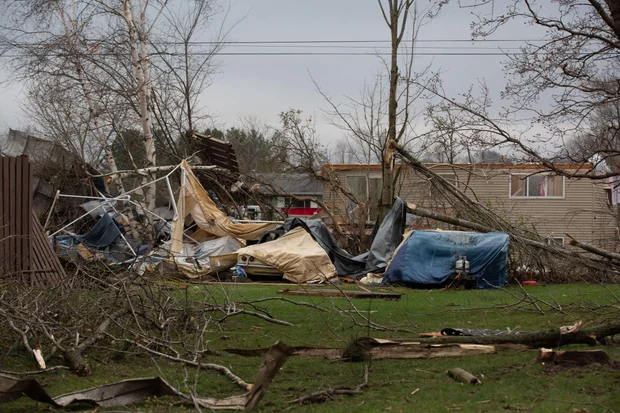
Communities from Minnesota to Oklahoma are clearing debris and assessing damage after a multi-state outbreak of tornadoes and severe storms. While officials say there have been no deaths or serious injuries reported so far, the path of destruction includes damaged homes, downed power lines, and blocked roads across several Midwestern states.
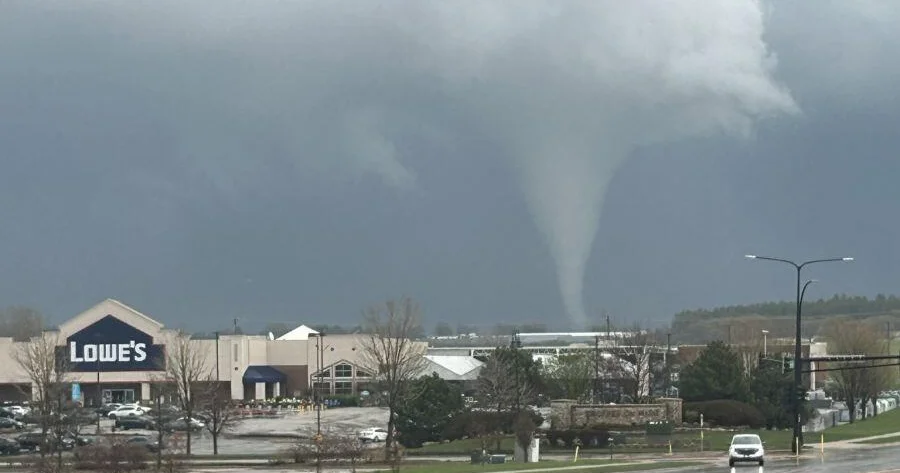
The storms are part of a broader, unsettled weather pattern affecting much of the eastern United States. The National Weather Service has warned of continued showers and thunderstorms, elevated flooding risk in the Great Lakes region, and a strong cold front placing about 38 million people under freeze warnings and roughly 32 million under freeze watches.
At the same time, forecasters say dry, gusty conditions are raising wildfire danger in parts of the southern High Plains, and additional storms in Texas could bring flash flooding. The combination of tornado damage, late-season freezes, fire weather, and heavy rain underscores how quickly conditions can shift during the spring severe weather season.
Key Facts and Quotes
The National Weather Service office in La Crosse, Wisconsin, reported issuing 26 tornado warnings during Friday’s outbreak, the most in a single day since that office opened in 1995. An EF-2 tornado with estimated peak winds up to 125 miles per hour hit Rochester, Minnesota, about 90 miles south of Minneapolis, damaging or destroying more than a dozen homes but causing no reported serious injuries.
Rochester resident David Vetsch said the storm sounded “like a freight train” as it struck his 89-year-old father’s house, heavily damaging the structure but leaving his father unharmed. Neighbor Jennie Murphy described widespread volunteer help, saying, “I don’t even know who a lot of these people are that are out helping. Our neighborhood is pretty good about watching out for each other.”
Another Rochester resident, Troy Holmberg, who recorded video of the tornado, told reporters that “at first it was exciting,” but it quickly turned frightening once he realized his friends and neighbors were directly in its path. He said restoring electricity is the community’s first priority, noting that “we’re all on wells, so without power, we don’t have water.” According to outage-tracking data, more than 70,000 customers in the Midwest and Great Lakes regions lost power Saturday morning, with most service restored by evening.
In Lena, Illinois, authorities said a tornado knocked out power, toppled large trees, and blocked roads with debris on Friday afternoon. A resident identified as Marcia said she took her dog to the basement when the electricity failed and then heard “a big old crash,” initially fearing her roof had collapsed. Public safety radio traffic in Stephenson County reported “fairly extensive damage” at the village’s elementary and high schools while students were inside, but no injuries were reported.
Officials said Lena endured more storms overnight, but Stephenson County’s sheriff emphasized the weather “did not result in loss of life or serious injury.” Farther south and west, a tornado in suburban Kansas City destroyed homes and cut power, and the Oklahoma Department of Emergency Management reported downed trees and power lines, roof damage to homes, and a damaged marina at Kaw Lake.
What It Means for You
Residents across the Midwest, Great Lakes, and southern High Plains are being urged to stay alert to changing conditions as storms, freezes, and fire weather advisories continue. Officials recommend monitoring local forecasts and alerts, reviewing tornado and flood safety plans, and ensuring access to emergency supplies, especially in rural areas where wells and heating systems depend on electricity.
In the days ahead, people in affected regions may face travel delays, school schedule changes, extended cleanup, and insurance claims. Those in areas under freeze warnings or watches may also need to protect pipes, plants, and sensitive equipment, while communities in Texas and the High Plains watch for flash flooding and wildfire risk as this active weather pattern continues.
How do you think communities should balance rebuilding quickly with preparing better for the next round of severe weather?
Sources
CBS News report by Kerry Breen, April 19, 2026; National Weather Service statements and alerts, including La Crosse office updates, April 18-19, 2026; Oklahoma Department of Emergency Management situation updates, April 19, 2026; Stephenson County Sheriff’s Office statements and public safety radio traffic, April 17-18, 2026; poweroutage.us regional outage data, April 18, 2026.