Why This Matters
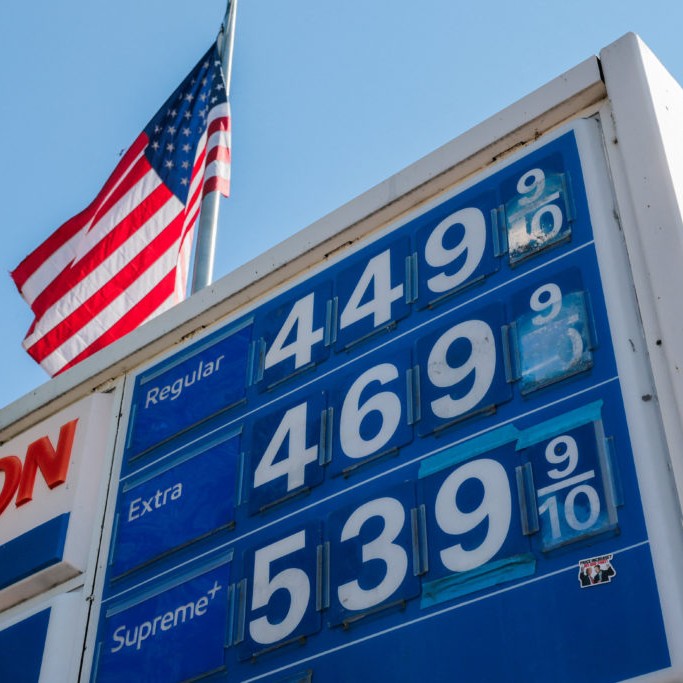
Gasoline prices averaging above $4 a gallon nationwide, as reported by NPR in early April 2026, are squeezing family budgets and small businesses that depend on driving. For many households, fuel is not optional, making sudden spikes especially painful.
Higher pump prices ripple through the broader economy. Delivery services, trucking companies, and airlines all face increased costs, which can show up later as higher prices for food, travel, and everyday goods. Lower-income drivers and people in rural areas, who often drive longer distances, tend to feel the impact first.
Energy costs also play a role in inflation trends, which can influence interest rates and the overall pace of economic growth. At the same time, periods of expensive fuel often accelerate long-term shifts toward more efficient vehicles, public transit, and alternative energy, decisions that can reshape transportation over years, not weeks.
Key Facts and Quotes
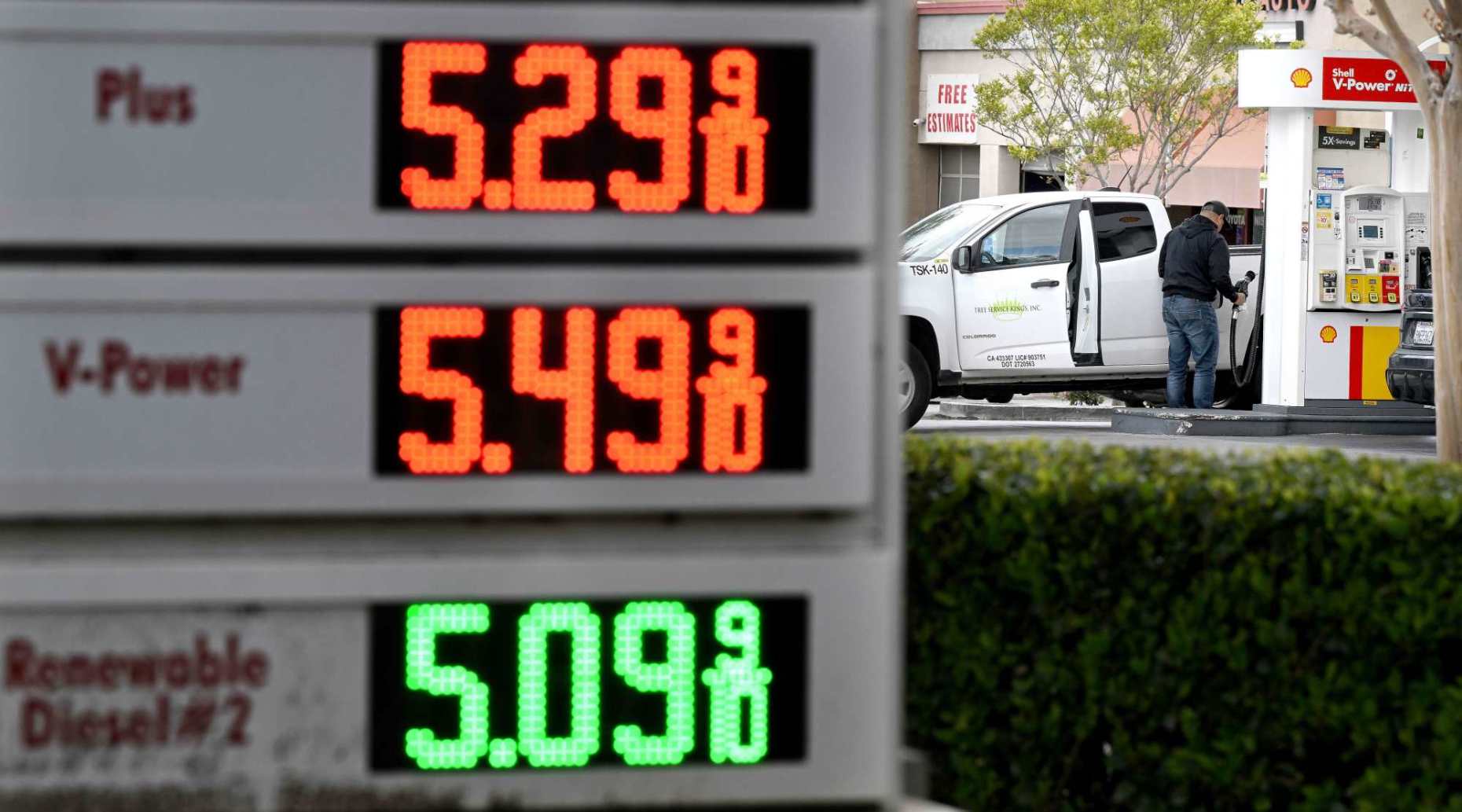
The recent NPR report noted that the national average price for regular gasoline has climbed above $4 a gallon, a level not seen consistently since the 2022 price spike. Prices still vary widely by region, with some Western states typically paying much more than the national average because of taxes, regulations, and supply constraints.
Gas prices are driven by several factors, including the global price of crude oil, refinery capacity, transportation costs, and state and federal taxes. Decisions by major oil-producing countries, disruptions from conflicts, and unplanned refinery outages can quickly tighten supply. Seasonal shifts, such as the move to summer-grade gasoline, also tend to push prices higher in the spring.
On the demand side, Americans usually drive more as the weather improves, adding pressure to prices. Larger, less efficient vehicles burn more fuel, which makes owners especially sensitive to changes at the pump. The U.S. Department of Energy notes that aggressive habits such as rapid acceleration and hard braking can significantly reduce fuel economy compared with smooth, steady driving.
Consumer advocates and auto experts point to a handful of practical steps that can make a meaningful difference. Keeping tires properly inflated, following routine maintenance schedules, and driving at moderate highway speeds can all improve mileage. Combining errands into a single trip, avoiding unnecessary idling, using store or station loyalty programs, and skipping premium fuel when your vehicle does not require it are additional ways to trim your fuel bill.
What It Means for You
In the short term, drivers should expect gas prices to remain volatile. Key indicators to watch include global oil prices, decisions by major producers on output, refinery maintenance or accidents, and severe weather, such as hurricanes, that can disrupt Gulf Coast energy infrastructure. Government actions, including potential releases from strategic reserves or policy changes, can also influence supply and prices.
In the longer term, households may respond to higher fuel costs by changing commuting patterns, reconsidering where they live or work, or planning for a more efficient vehicle when it makes financial sense. That could mean choosing a smaller gasoline car, a hybrid, or an electric vehicle, while weighing up-front costs, available tax incentives, and charging or fueling options. Even without a new car, small, consistent changes in driving and budgeting can help cushion the impact of higher prices.
How are higher gas prices changing the way you drive, shop, or plan trips this year?
Sources
NPR report on U.S. gas prices above $4 per gallon, April 6, 2026; U.S. Energy Information Administration historical gasoline price data, including 2022 peaks; U.S. Department of Energy fuel economy and driving behavior guidance, accessed 2023-2024; American Automobile Association (AAA) public information on fuel prices and driving tips, 2022-2024.