TL;DR
Former CNN anchor Don Lemon faces federal civil rights charges tied to a Minnesota church protest over immigration enforcement; he has been released and says he will fight the indictment.
Why This Matters
This latest update in the Don Lemon case draws together several core American issues: press freedom, religious liberty, protest rights and immigration enforcement. Federal civil rights charges against a high-profile journalist are rare and will likely be closely watched by newsrooms, faith communities and legal experts across the country.
The indictment centers on a Jan. 18 protest at the Cities Church in St. Paul, Minnesota, where a pastor also serves as an official with U.S. Immigration and Customs Enforcement (ICE). Demonstrators opposed immigration enforcement policies and disrupted a worship service, according to prosecutors. The case raises questions about how far protests can go inside houses of worship and how the law treats journalists who are present to document events rather than participate.
For many readers, the story connects to broader national debates about immigration policy and the role of the media in covering protests that challenge government power. The outcome could shape how future demonstrations at religious institutions are policed and how reporters work on the ground.
Key Facts & Quotes
Journalist Don Lemon was arrested overnight in Los Angeles and later released from custody on Friday, according to court proceedings described in the charging documents. A federal grand jury in Minnesota indicted Lemon and others on civil rights charges, including conspiracy and interfering with the First Amendment rights of worshippers during a Jan. 18 protest at Cities Church in St. Paul.
Prosecutors allege that the protest, which focused on immigration enforcement, disrupted a church service where a pastor is also an ICE official. Alongside Lemon, independent journalist Georgia Fort and two protest participants were also arrested in connection with the incident.
Federal prosecutors say Don Lemon was part of an ICE protest that disrupted a Minnesota church service.
Read more: https://t.co/0pm1lSWBOd pic.twitter.com/UxnZ9OuD0F
— TMZ (@TMZ) January 30, 2026
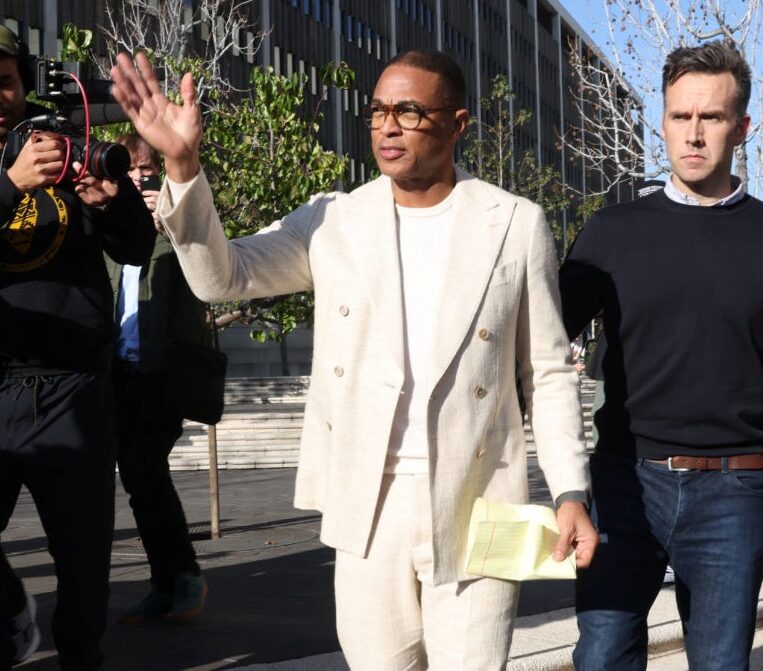
Speaking to reporters after a court appearance in California, Lemon struck a defiant tone. “I will not be silenced,” he said, adding: “I have spent my entire career covering the news. I will not stop now. In fact, there is no more important time than right now, this very moment, for a free and independent media that shines a light on the truth and holds those in power accountable.”
Defense attorney Marilyn Bednarski said Lemon plans to plead not guilty and contest the charges in Minnesota. Lemon has publicly stated he has no affiliation with the group that entered the church and that he was present as a solo journalist chronicling protesters. All allegations in the indictment remain unproven unless and until they are established in court.
What It Means for You
For many Americans, especially those who follow national politics and global news, this case sits at the intersection of everyday concerns: how safe it is to attend religious services, how protests are managed, and how journalists do their jobs. If courts ultimately narrow or expand what counts as interference with worship or protected newsgathering, it could influence how future demonstrations at sensitive locations are handled.
Readers may also see this as a test of how the justice system balances competing First Amendment claims-the rights of congregants to worship, the rights of protesters to speak and assemble, and the rights of journalists to report. In the coming months, key hearings, any pretrial motions and potential trial dates will be important to watch to understand how the law is applied.
How do you think courts should balance the rights of worshippers, protesters and journalists when all three collide in the same event?
Sources
- National wire service report by a U.S.-based news agency, Jan. 30, 2026.
- Captioned photograph and notes from courtroom photographer Jill Connelly, Jan. 30, 2026.