TL;DR
An Austrian man is on trial for gross negligent manslaughter after his girlfriend died of hypothermia near the summit of Grossglockner, Austria’s highest peak, raising questions about legal responsibility in high-risk mountain sports.
Why This Matters
The case reaches far beyond one tragic climb. It tests where personal risk-taking in extreme sports ends and criminal responsibility begins, especially when one person in a group is more experienced than another.
Prosecutors argue the defendant effectively acted as a de facto guide for his less-experienced partner, and should face criminal charges for decisions made before and during the ascent. If a court agrees, that could set a precedent for how climbers, hikers, and other outdoor enthusiasts are expected to plan, supervise, and protect companions in harsh environments.
Austria’s Alps draw millions of visitors each year, including many from the United States and other countries, for skiing, hiking, and mountaineering. A ruling that broadens liability could influence how guided tours operate, how insurance is written, and how informal climbing partners share responsibility. Some in the mountain community have warned of a potential “paradigm shift” in how solo and partner climbs are viewed in law.
Key Facts & Quotes
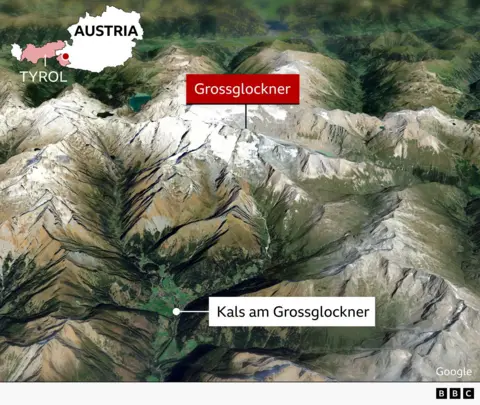
The 33-year-old woman, identified in court only as Kerstin G, died of hypothermia in January 2025 during a winter ascent of the 3,798 m (12,460 ft) Grossglockner. Her boyfriend, identified as Thomas P, now faces charges of gross negligent manslaughter. He has pleaded not guilty.
State prosecutors in Innsbruck say Thomas P, described as the more experienced climber, planned the tour and should be treated as the “responsible guide for the tour.” They allege he chose a demanding winter route even though his girlfriend had never undertaken an Alpine tour of similar length, difficulty, and altitude, started the ascent too late in the day, allowed her to use unsuitable snowboard soft boots, and failed to carry enough emergency bivouac equipment.
Conditions on the mountain were harsh, with reported winds up to 74 km/h (45 mph) and temperatures around -8 C (18 F), with windchill near -20 C (-4 F). Prosecutors say the couple should have turned back when that was still possible. Instead, they continued past a point of no return and later became stuck.
According to prosecutors, the man did not call police or send distress signals when a police helicopter passed overhead around 22:50. His lawyer says both climbers still felt capable at that time and believed they were close to the summit. Webcam images later showed their torchlights on the mountainside.
Defense lawyer Kurt Jelinek says the pair planned the ascent together and both “considered themselves to be sufficiently experienced, adequately prepared, and well equipped,” with relevant Alpine experience and strong physical fitness. He has called the death “a tragic accident” and says his client is “deeply sorry” and has offered condolences to the woman’s family.
In the early hours of 19 January, after the woman reportedly showed sudden and severe exhaustion near the summit, the man called mountain police at about 00:35. The precise content of that call is disputed. Prosecutors allege he later put his phone on silent; the defense denies he told officers that everything was fine.
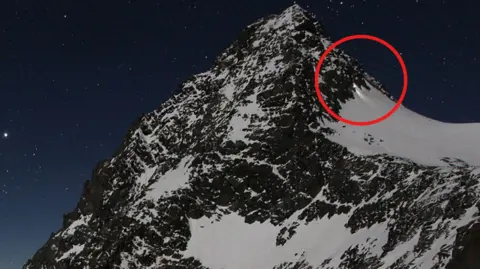
The defense says the pair reached a point about 40 m (130 ft) below the summit cross, where the woman could no longer move. Thomas P then left her to seek help by crossing the summit and descending the other side. Prosecutors allege he left her around 02:00 without adequately protecting her from the cold and did not notify emergency services again until about 03:30.
Strong winds prevented a night-time helicopter rescue. Kerstin G was later found dead on the mountain. If convicted, Thomas P faces up to three years in prison. The court will have to weigh conflicting accounts, technical evidence such as webcam footage and phone records, and expert testimony on Alpine safety.
Climber on Trial After Fatal Grossglockner Tragedy.
An Austrian climber faces trial for gross negligent manslaughter after his girlfriend froze to death near the summit of Grossglockner in January 2025.
The case raises serious questions about responsibility, risk and legal… pic.twitter.com/XucWQQk7U8
— AE News (@aenewsEnglish24) February 18, 2026
What It Means for You
For anyone who hikes, skis, or climbs with family and friends, this case highlights how quickly a shared adventure can become a legal matter when something goes wrong. Courts are being asked to decide whether the more experienced person in a pair can be held criminally liable for route choices, equipment decisions, and when to turn back.
If judges expand what counts as criminal negligence in the mountains, we could see stricter expectations for preparation, documentation, and emergency plans in many outdoor activities. That might affect how guiding companies operate, how travel and life insurance treat high-risk sports, and how informal groups talk through risk before setting out. The trial’s outcome will be closely watched by mountain communities across Europe and beyond.
How do you think responsibility should be shared when one person in an outdoor group is much more experienced than the others?
Sources: Statements and indictment summary from Innsbruck state prosecutors regarding the Grossglockner case (2025-2026); public statements by defense attorney Kurt Jelinek as reported in Austrian legal and court proceedings (2025-2026).