TL;DR
A fifth Iranian women’s soccer player has withdrawn from asylum in Australia and rejoined teammates in Malaysia, while two remain on protection visas under government care.
Why This Matters
The latest turn in the Iran women’s national soccer team saga highlights how sports, migration and geopolitics now intersect in very public ways. What began as a routine regional tournament has become a test of refugee protections, women’s rights, and government messaging during a new Middle East war.
For Iran’s women players, decisions about asylum are not just about careers. They carry potential consequences for family members at home and for their own safety if they return. Concerns intensified after reports that some players did not sing the Iranian national anthem before a match, an act that has drawn punishment in other contexts in recent years.
The episode also comes amid a sharp diplomatic rift between Australia and Iran. Canberra has already expelled Iran’s ambassador and cut formal ties after blaming Iran’s Revolutionary Guard for arson attacks on Jewish sites in 2024. How the remaining two players are treated could influence future asylum cases involving athletes and political tensions well beyond soccer.
Key Facts & Quotes
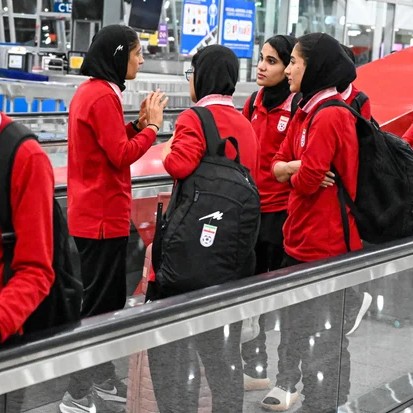
A sports official in Kuala Lumpur said a fifth member of Iran’s women’s national team who had accepted a refugee visa in Australia has now chosen to return home, leaving only two of the original seven asylum-seekers still in Australia, according to international broadcast reports on March 16, 2026. The team is currently in Malaysia, awaiting onward flights back to Iran.
5th member of Iranian women’s soccer team gives up asylum in Australiahttps://t.co/3s6q7Amroo pic.twitter.com/WSCAP98dbB
— Amy Taxin (@ataxin) March 16, 2026
The squad left Sydney on March 10 after being knocked out of the Women’s Asian Cup in Australia, with six players and a support staff member staying behind on protection visas. Four players and the staffer have since flown to Kuala Lumpur to rejoin the team. Members of the Iranian diaspora in Australia allege the reversals stem from pressure by Tehran, but authorities have not confirmed that.
Australia’s Assistant Immigration Minister Matt Thistlethwaite called the situation “a very complex one,” saying, “These are deeply personal decisions, and the government respects the decisions of those who have chosen to return. And we continue to offer support to the two that are remaining.” Those two players have been moved to an undisclosed safe location with support from the government and the local Iranian community.
Iranian officials have portrayed the women’s decisions to abandon asylum as a political win. Iran’s Tasnim News Agency said returning players were going back to “the warm embrace of their family and homeland,” framing the episode as a failed American-Australian effort. Kylie Moore-Gilbert, a political scientist who previously spent more than two years in Iranian prisons, argued that “winning the propaganda war” has overshadowed the players’ welfare.
What It Means for You
For readers far from Sydney or Tehran, this latest update is a reminder that global news about migration and conflict often shows up first in unexpected places, like sports. When athletes seek asylum, they put a human face on questions that can otherwise feel abstract: who gets protection, how quickly, and at what personal cost.
The fate of the two remaining players in Australia may influence how future asylum cases involving high-profile figures are handled, especially when foreign governments are accused of exerting pressure or engaging in retaliation. It could also shape how comfortable athletes from restrictive countries feel competing abroad, from soccer to other international events.
For those following world affairs, this story is worth watching as a small but telling measure of how governments balance security, humanitarian obligations, and public opinion when geopolitics and individual lives collide.
How do you think countries should respond when sports and asylum claims become part of a wider political struggle?
Sources:
- Australian government statements and press briefings (March 16, 2026).
- Tasnim News Agency (March 15, 2026).
- International broadcast reports from Australia and Malaysia (March 16, 2026).