TL;DR
Investigators say DNA found on a glove recovered about two miles from the Tucson home of Nancy Guthrie, mother of TV host Savannah Guthrie, appears to match gloves worn by a masked suspect seen on surveillance video the night she disappeared. The FBI is awaiting official lab confirmation as the search enters its third week.
Why This Matters
The case has drawn national attention because it involves the mother of a well-known morning television host, but at its core, it is a local missing-person investigation centered on an 84-year-old woman who needs daily medication. Any credible forensic lead can sharply change the direction and urgency of such searches.
DNA evidence has become a central tool in modern investigations, especially when there are few witnesses and limited video. If confirmed, a DNA link between the glove and the masked figure could give authorities their strongest physical tie to a suspect and potentially connect earlier, unexplained DNA collected at the home.
The situation also highlights the difficult balance between public appeals for help and protecting an ongoing investigation. Authorities are facing pressure from a high-profile family, anxious neighbors in southern Arizona, and a national audience following every development, all while they work to verify evidence and avoid missteps that could complicate any future prosecution.
Key Facts & Quotes
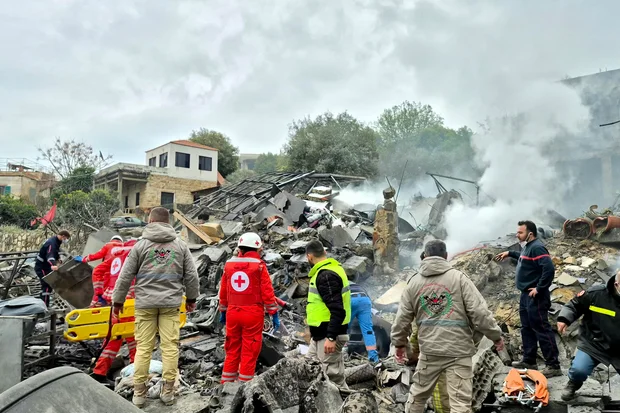
According to an FBI statement released Sunday, a glove with traces of DNA was found in a field beside a road roughly two miles from Nancy Guthrie’s Tucson home. Preliminary testing suggests the DNA appears to match the gloves worn by a masked person captured on a porch camera outside her front door the night she vanished. Officials say they are waiting for full lab confirmation.
A glove containing DNA found about two miles from the house of “Today” show host Savannah Guthrie’s mother appears to match those worn by a masked person outside her front door in Tucson the night she vanished, the FBI said Sunday.
Find out more here: https://t.co/RLuT6FbDm7 pic.twitter.com/gXCHDiZpYL
— News 9 (@NEWS9) February 16, 2026
Nancy Guthrie, 84, was last seen at her Arizona home on Jan. 31 and reported missing the next day. Authorities say blood believed to be hers was found on the front porch. Purported ransom notes were sent to news outlets, but two payment deadlines have passed without a reported resolution, and investigators have not publicly confirmed the notes’ authenticity.
Days before the DNA announcement, investigators released surveillance video showing a person wearing a ski mask, long pants, a jacket, and gloves, carrying a backpack. On Thursday, the FBI formally labeled the individual a suspect, describing him as a man about 5 feet 9 inches tall with a medium build and carrying a 25-liter “Ozark Trail Hiker Pack” backpack.
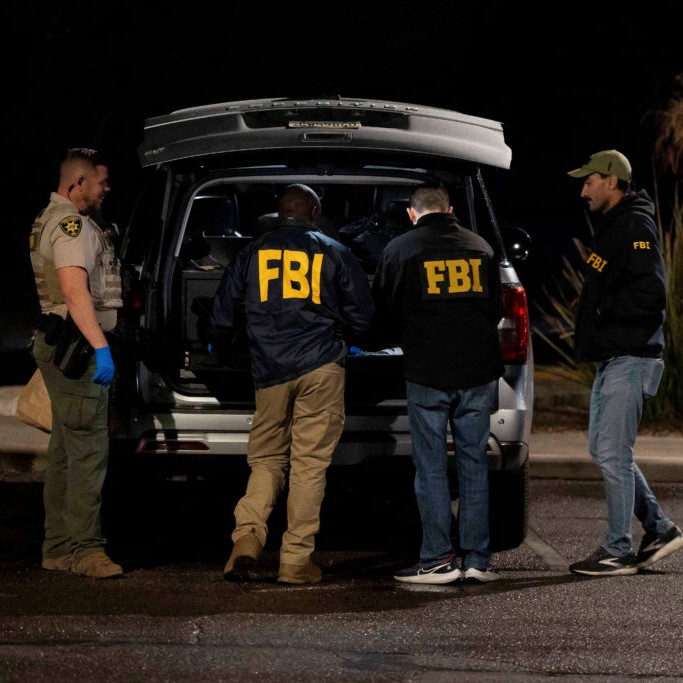
Late Friday, law enforcement closed a road about two miles from the Guthrie home, moving multiple sheriff’s and FBI vehicles, including forensic units, through a roadblock. Investigators tagged and towed a late-model gray Range Rover SUV from a nearby restaurant parking lot; the Pima County Sheriff’s Department said the action was related to the Guthrie case but reported no arrests.
Earlier in the week, sheriff’s deputies briefly detained a man during a traffic stop south of Tucson for questioning in connection with the investigation; he was later released. That same day, deputies and FBI agents conducted a court-authorized search in Rio Rico, about an hour’s drive south of Tucson.
Authorities have voiced concern about Nancy Guthrie’s medical needs. She is reported to have a pacemaker and a history of high blood pressure and heart issues, according to a sheriff’s dispatcher audio posted on a public radio-monitoring site. Investigators previously said they had collected DNA at the property that does not belong to Guthrie or anyone known to be in close contact with her, and they were working to identify its source. Officials have also recovered roughly 16 gloves near the home; most were later determined to belong to searchers.
What It Means for You
For many readers, this latest update underscores both the power and the limits of forensic evidence. A preliminary DNA match can be a major breakthrough, but it is not the same as a confirmed identification, and investigators are signaling that more testing is needed before drawing firm conclusions.
The case is also a reminder of how quickly a vulnerable adult can disappear and how important it is for families and neighbors to act fast when daily routines or medication schedules are suddenly interrupted. As this investigation continues, the public may see more surveillance images, search activity, and road closures in and around Tucson, all aimed at locating Nancy Guthrie and understanding what happened.
Authorities are urging anyone with relevant information about suspicious activity, vehicles, or individuals near the Guthrie home around Jan. 31 to contact law enforcement. In high-profile investigations like this, even small details from witnesses can help connect physical evidence like DNA to real-world identities.
What do you think is the right balance between releasing investigative details to the public and protecting the integrity of a sensitive case like this?