TL;DR
Investigators searching for 84-year-old Nancy Guthrie, missing from her Tucson home since Feb. 1, are focusing on a Walmart-sold backpack, similar clothing, and fresh DNA evidence as some of the most promising leads so far.
Why This Matters
The disappearance of Nancy Guthrie, an 84-year-old Tucson resident and mother of national TV anchor Savannah Guthrie, has drawn intense public attention and concern. For many families, it is a stark reminder of how quickly a vulnerable loved one can vanish, even from the perceived safety of home.
The case highlights how modern investigations now rely on a mix of familiar tools and newer technologies: home security cameras, nationwide retail purchase records, and DNA databases. Authorities are using video from a Nest doorbell camera, product data from a major retailer, and genetic testing to try to identify a single masked figure.
It also raises wider questions about safety for older adults living alone and about the balance between using consumer and genetic data to solve urgent cases and protecting privacy. As the search continues, many are watching to see whether these leads can turn into an identification, an arrest, and, most urgently, answers for Guthrie’s family.
Key Facts & Quotes
Pima County Sheriff Chris Nanos said investigators believe the suspect seen in a doorbell camera video outside Nancy Guthrie’s Tucson home was wearing clothing, a face mask, and a black backpack purchased from Walmart. The backpack, identified as a black 25-liter Ozark Trail Hiker Pack, is sold exclusively through the retailer and is considered one of the most promising leads.
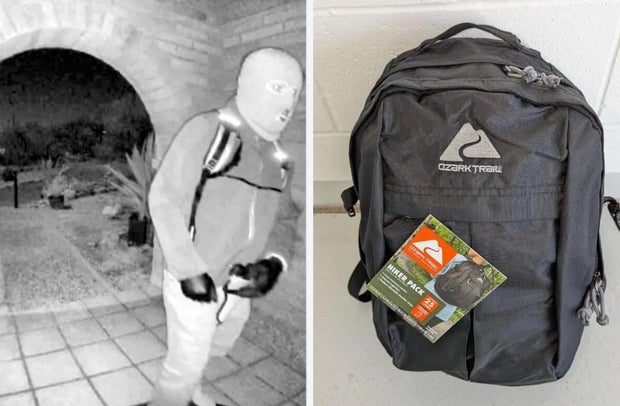
Detectives are working to pinpoint the brands of the mask and clothing and have spent several days reviewing surveillance footage at area Walmart stores. It remains unclear whether the items were bought online or in-store, or in Arizona or elsewhere. The company has provided investigators with records of Ozark Trail Hiker purchases from recent months, including sales beyond the Tucson area. A corporate spokesperson declined to comment publicly.
Sheriff Chris Nanos of Pima County, Arizona, tells CBS News that investigators searching for Nancy Guthrie believe the clothing and face mask worn by the suspect in the chilling doorbell video released last week were purchased at Walmart.
They are still working to identify each… pic.twitter.com/g0jFadF0c0
— CBS News (@CBSNews) February 16, 2026
Authorities believe the suspect’s mask is black but appears lighter in the Nest camera images because of infrared technology used in night video. Separately, investigators found a black glove near Guthrie’s home that appears to match the gloves worn by the masked figure. According to an FBI statement, preliminary DNA testing produced what the bureau called “the unknown male profile,” which will be entered into CODIS, the national DNA database, once results are confirmed.
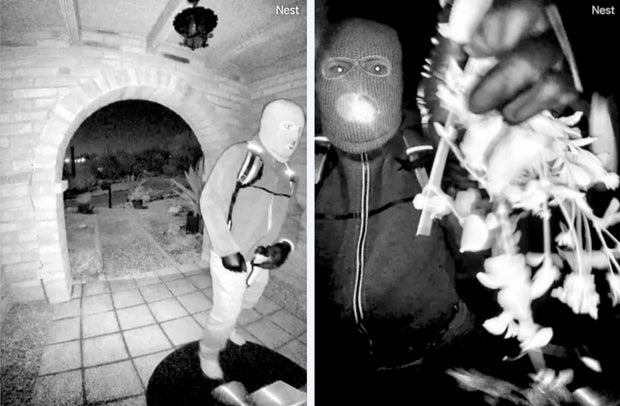
The FBI has described the individual in the video as a man of average build, about 5 feet 9 inches to 5 feet 10 inches tall. Additional DNA samples collected from Guthrie’s property have not yet led to a suspect, Sheriff Nanos said. On Friday evening, multiple law enforcement agencies searched a residence less than two miles from Guthrie’s home under a search warrant; no arrest was announced, and officials have not detailed what, if anything, was found.
On Sunday, Savannah Guthrie released an emotional video appeal, again asking for the public’s help in bringing her mother home.
What It Means for You
For many households, this case underscores both the value and limits of home security systems. Doorbell cameras can capture crucial evidence, but identifying a masked person often requires additional tools, from retail transaction histories to DNA testing.
The investigation also shows how everyday purchases and genetic data can become part of major cases. Shoppers may see more attention on how retailers store transaction records, while the ongoing debate over law enforcement use of DNA databases is likely to continue.
For families with older relatives living alone, this latest update is a reminder to review basic safety steps: working exterior lights, reliable contact plans, and, where appropriate, cameras or check-in systems. As authorities pursue leads in the Guthrie case, the next key milestones will be any confirmed DNA match, a clear identification of the suspect’s gear, and whether those details lead to an arrest or new public alerts.
How do you think communities and families can best balance privacy with the use of cameras and data to help protect vulnerable older adults?