TL;DR
A suicide bomber struck a Shiite mosque near Islamabad, killing at least 30 and injuring about 170, as Pakistan launches a major investigation.
Why This Matters
The attack on a mosque in a suburb of Pakistan’s capital highlights how vulnerable religious sites remain in a region where militant violence has ebbed but not disappeared. Targeting worshippers during Friday prayers, one of the most attended services of the week, is likely to deepen public fear and strain already stretched security forces.
Pakistan sits at a crossroads between South and Central Asia and borders both Afghanistan and Iran. Instability there can affect migration patterns, global counterterrorism efforts, and the security of international aid workers and diplomats. The blast also risks inflaming sectarian tensions, as the mosque serves Shiite Muslims, a minority that has been targeted in past attacks across the wider region.
For countries that cooperate closely with Pakistan on security, including the United States, this latest update may prompt renewed attention to how militant groups evolve and exploit local grievances. It also comes as many governments continue to balance counterterrorism priorities with other global crises, from wars in the Middle East to competition in the Indo-Pacific.
Key Facts & Quotes
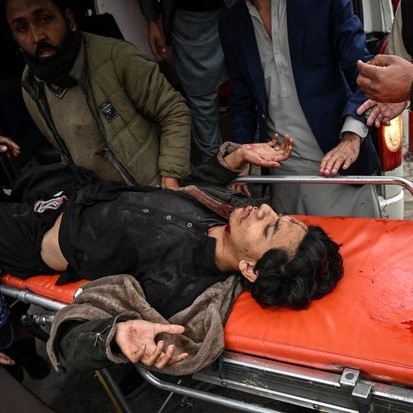
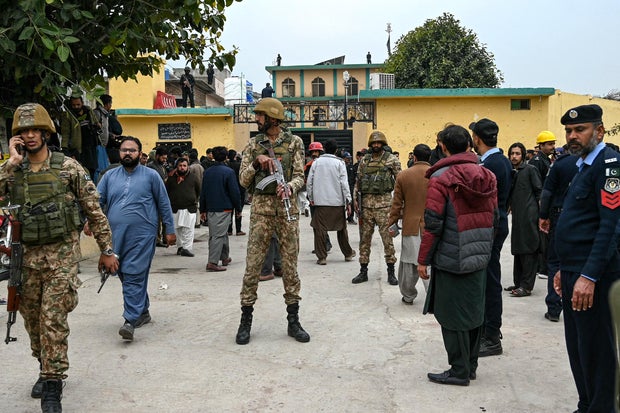
Police in Pakistan’s capital region said a suicide bomber detonated explosives outside the Imambargah Khadijatul Kubra mosque in the Tarlai suburb of Islamabad on Friday. The blast killed at least 30 people and wounded around 170 others while the mosque was crowded for Friday prayers, according to local authorities.
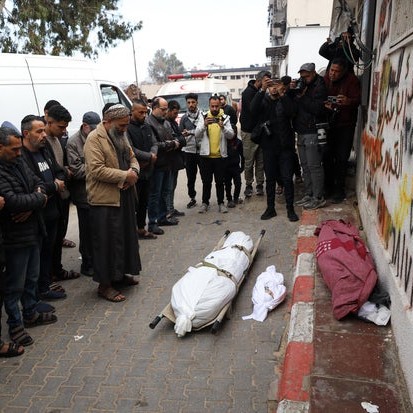
Images from the scene showed bloodied worshippers lying on the floor as survivors rushed the injured into private cars, ambulances, and any vehicles available to reach hospitals. Children were among the casualties.
A witness, Zahir Hussain, said he was parking his car when a massive explosion hurled him against the door. ‘After that, for a while there was horrific silence, then what I saw in the mosque, I don’t have words to explain it,’ he told local reporters.
Security officials said the attacker was stopped at the mosque gate and then detonated his explosives. Hospitals in Islamabad declared an emergency, and the main Pakistan Institute of Medical Sciences hospital quickly reached capacity, forcing transfers of patients to other facilities in the capital and nearby Rawalpindi.
Prime Minister Shehbaz Sharif met with his interior minister and ordered a full investigation. In an official statement, he vowed that those responsible would be brought to justice and said no one would be allowed to spread hatred and insecurity in the country. There was no immediate claim of responsibility, and officials have not named any suspects.
A suicide bombing at a mosque in Pakistan’s Islamabad on Friday killed at least 30 people, according to local police, with over 130 having been wounded by the blast pic.twitter.com/ayFhCGanIk
— The New Region (@thenewregion) February 6, 2026
Pakistan has confronted attacks from several militant groups, including the Pakistani and Afghan Taliban factions and the regional ISIS-Khorasan group, some of which have previously struck both civilians and security forces.
What It Means for You
For readers in the United States and elsewhere, the attack underscores that terrorism and sectarian violence remain significant risks in parts of South Asia, even when they are no longer front-page global news every day. Travel advisories for Pakistan may tighten, especially for the capital region and for visits during major religious gatherings.
The bombing may also influence how governments allocate security and intelligence resources, and how they work with Pakistani authorities on counterterrorism. For families with relatives, business ties, or aid work in Pakistan, this is a reminder to stay alert to official guidance, monitor local news, and maintain updated emergency contact plans.
Question for readers: How do incidents like this shape your view of personal safety and travel in regions facing ongoing security threats?
Sources
- Information based on statements from Pakistani police and hospital officials in Islamabad, and an official release from the office of Prime Minister Shehbaz Sharif on Feb. 6, 2026.