TL;DR
Unredacted images and videos, including nude photos and other identifying details of Jeffrey Epstein victims, remained online for days in newly released U.S. Justice Department files, despite warnings from victims and lawyers that redactions had failed and caused “irreparable” harm.
Why This Matters
This latest update in the Epstein case is less about the original crimes and more about how the U.S. government is handling sensitive information belonging to victims of sexual abuse. The files in question were released by the Department of Justice (DoJ) as part of a large document dump related to Jeffrey Epstein, the financier who died in jail in 2019 while awaiting trial on sex-trafficking charges.
Victims and their lawyers say that incomplete redactions exposed the identities and bodies of women and girls who were supposed to be protected. The controversy raises broader concerns about how carefully federal agencies safeguard private data, especially in high-profile cases under political and public pressure. It also highlights the emotional cost for survivors whose most painful experiences are being circulated online.
For a U.S. audience already wary about privacy, data leaks, and institutional trust, the incident feeds into a wider debate about transparency versus protection in the justice system, and how well government technology and oversight keep up with those demands.
Key Facts & Quotes
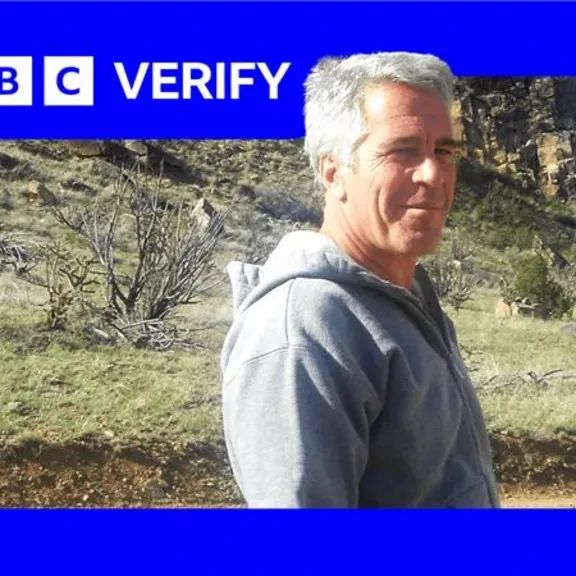
According to an investigation by BBC Verify, unredacted images and videos involving nudity were still accessible online days after officials were warned that some Epstein-related files had not been properly redacted. Victims’ lawyers say the materials include identifying information about dozens of people.
Victims’ groups first raised alarms over the weekend, after the New York Times reported that nearly 40 separate images had been published as part of the Epstein files the previous Friday. On Tuesday, a New York judge said the DoJ agreed to move quickly to correct the problem after victims called for the website to be taken offline until names and images could be fully redacted.
The DoJ then removed thousands of documents from its website, saying the files had been uploaded with incomplete redactions because of “technical or human error”. The department said it was reviewing additional requests and checking whether other documents needed further redaction.
One of the most prominent firms repping Epstein survivors identified “thousands of redaction failures on behalf of nearly 100 individual survivors.”
The lawyers rip DOJ’s “institutional incompetence.” https://t.co/dPHqwaZnzU pic.twitter.com/aM9BRTnclO
— Adam Klasfeld (@KlasfeldReports) February 2, 2026
However, BBC Verify reported that identifiable images were still online as of Wednesday and said it had provided file details to the DoJ. Four of the images showed partially clothed young females whose faces and bodies had not been obscured. In one example, a document contained two copies of the same photograph: one with a face covered by a black square and another showing the face in full.
Other sensitive material reportedly included a video of a person lifting her shirt and exposing a breast to the camera, medical information such as fetal ultrasound scans with names, dates, and locations visible, and a recorded legal exchange in which a lawyer named at least one victim.
Brad Edwards, an attorney representing victims, said in a statement that “the damage done is irreparable” and told BBC that they were receiving “constant calls from victims because their names, despite them never coming forward, being completely unknown to the public, have all just been released for public consumption.” Survivor Ashley Rubright told the BBC, “I’m heartbroken for the girls whose information was released. That’s such a huge violation of one of the most horrible moments of their lives.”
What It Means for You
For most readers, this story speaks to trust in institutions and the protection of personal data. If a high-profile, tightly watched case like Epstein’s can see this scale of redaction failure, it raises questions about how carefully other sensitive records-medical, legal, or financial-are handled by public bodies.
Members of Congress had ordered the release of the Epstein files, but also required that victims be shielded. How lawmakers and the Justice Department respond now could influence future rules on redaction standards, government technology systems, and oversight of large document releases.
For everyday life, the case underscores the importance of privacy protections, especially for crime victims and minors, and may shape ongoing debates over what the public has a right to know versus what individuals have a right to keep private.
What balance do you think government agencies should strike between public transparency in major cases and strict protection of victims’ identities and images?
Sources: Reporting by BBC Verify (Becky Dale), article on unredacted Epstein files accessed February 5, 2026; New York Times report on Epstein file images, as cited within BBC coverage.