TL;DR
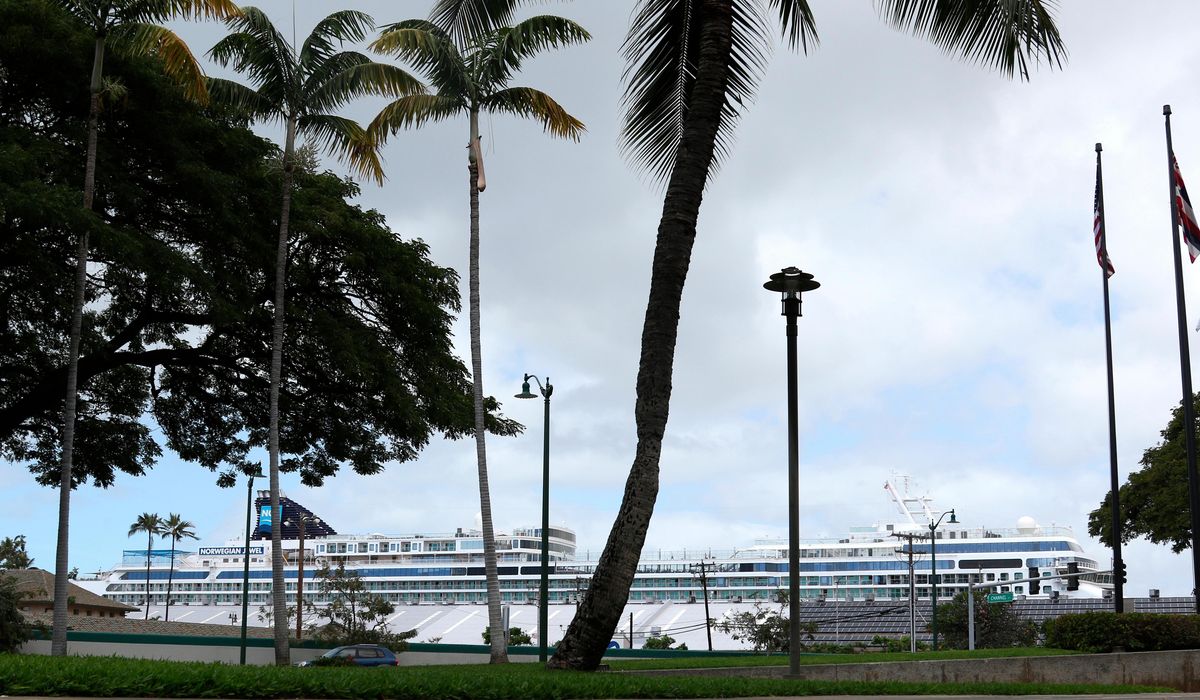
A federal judge has allowed Hawaii to apply a new climate-focused tax to cruise ship passengers starting Jan. 1, 2026, an 11% levy on fares expected to raise nearly $100 million a year.
Why This Matters
Hawaii is moving ahead with what state officials describe as the nation’s first climate-focused tax on cruise passengers, aiming to make mass tourism help pay for the damage from a warming planet. The ruling arrives as island communities worldwide face rising seas, coral loss and more severe wildfires, but still depend heavily on visitors for jobs and tax revenue.
Tourism accounts for roughly one-quarter of Hawaii’s economy, according to the Hawaii Tourism Authority, and cruise travel is a small but high-visibility slice of that sector. At the same time, federal agencies such as the National Oceanic and Atmospheric Administration (NOAA) have documented accelerating coastal erosion and ocean warming around the islands over the past decade, which threaten homes, roads and beaches.
The new levy is an early test of how far states can go in charging visitors to fund climate adaptation, without running afoul of the U.S. Constitution or federal shipping laws. Other coastal regions watching Hawaii’s experiment could follow with similar “green fees” or face strong pushback from the travel industry and Washington.
Key Facts & Quotes
According to a report by CBS News published Dec. 24, 2025, U.S. District Judge Jill A. Otake has denied a request to block Hawaii from enforcing a new tourist tax on cruise passengers. The law, signed in May 2025 by Governor Josh Green, raises revenue to address eroding shorelines, wildfires and other climate-related threats.
Federal judge upholds Hawaii’s new climate change tax on cruise passengers https://t.co/r1pOFkV8yK pic.twitter.com/TvBZxxETpP
— Orlando Sentinel (@orlandosentinel) December 24, 2025
Beginning Jan. 1, 2026, the measure imposes an 11% tax on the gross fares paid by cruise passengers, prorated for the number of days ships spend in Hawaii ports. Counties are authorized to add up to a 3% surcharge, which could push the total levy to 14% of prorated fares. State officials estimate the law will generate nearly $100 million annually.
The Cruise Lines International Association (CLIA), a major industry trade group, sued alongside a Honolulu provisioning company and tour operators on Kauai and the Big Island. They argue the law is unconstitutional because it effectively taxes ships for the “privilege” of entering Hawaii ports and could harm tourism by raising cruise prices.
“Cruise tourism generates nearly $1 billion in total economic impact for Hawaii and supports thousands of local jobs, and we remain focused on ensuring that success continues on a lawful, sustainable foundation,” CLIA spokesperson Jim McCarthy said in a statement quoted by CBS News.
State Attorney General Anne Lopez said Hawaii will continue to defend the statute, calling it a way to make cruise operators pay their “share of transient accommodation tax” for climate resilience. Court records cited in the CBS report say the plaintiffs plan to appeal and have asked Judge Otake for an injunction while the appeal moves forward.
The U.S. government has intervened on the side of the challengers, describing the tax in legal filings as a scheme to “extort American citizens and businesses solely to benefit Hawaii,” which it argues conflicts with federal law. The clash underscores an emerging tension between local climate funding efforts and federal oversight of interstate and maritime commerce.
What It Means for You
For travelers considering a Hawaii cruise in 2026 and beyond, fares could rise as cruise lines decide how much of the new tax to pass on to passengers. Those who opt for hotel or vacation rental stays may already see higher accommodation taxes as part of the same climate-focused law.
For Hawaii residents and frequent visitors, the outcome of the appeals process will help determine how the state pays for costly coastal protection, wildfire prevention and infrastructure upgrades as climate risks grow. Other U.S. coastal states and island territories may study this case closely when debating their own climate funding tools.
If courts ultimately uphold the law, it may open the door for more targeted tourism taxes tied to environmental impact. If it is struck down, lawmakers could be pushed back toward broader statewide taxes or federal assistance to cover climate-related costs.
Sources: CBS News report on Hawaii’s cruise passenger tax and federal court ruling (Dec. 24, 2025); Hawaii Tourism Authority economic data (2023); National Oceanic and Atmospheric Administration climate and coastal erosion assessments for Hawaii (2022-2023).
Question for readers: Do you think climate-related tourism taxes like Hawaii’s cruise levy are a fair way to fund local climate protection, or should that burden be shared differently?