Why This Matters
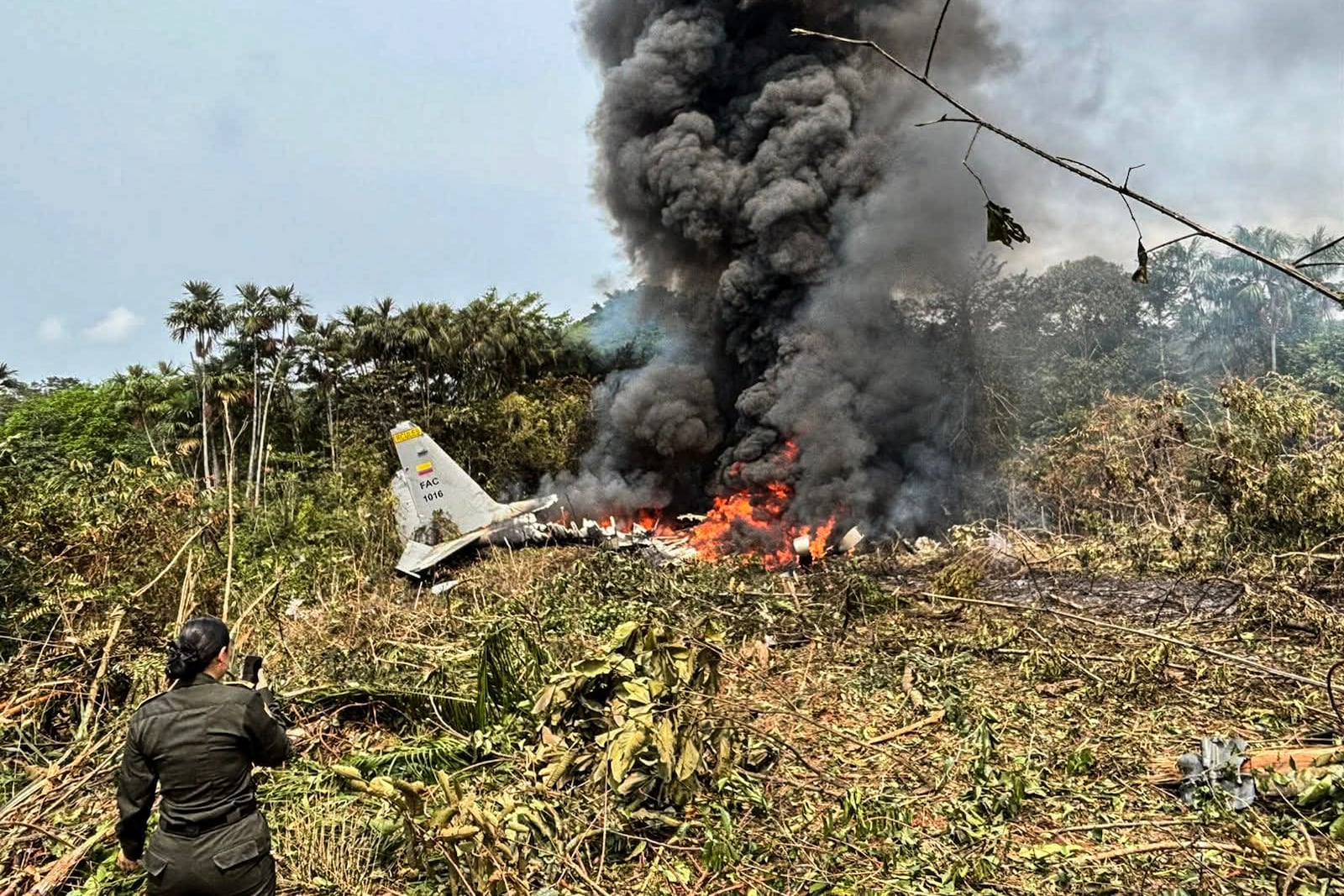
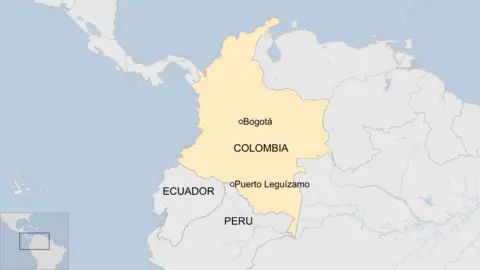
A Colombian Air Force transport plane carrying 125 people crashed in southern Colombia on Monday, killing at least eight and injuring more than 80. The aircraft, a C-130 Hercules used to move troops, went down shortly after take-off near the town of Puerto Leguizamo.
The crash is a major blow to Colombia’s armed forces, which rely heavily on air transport to move personnel into remote and often tense border regions. The incident raises immediate questions about the safety of military flights and the condition of aircraft used in demanding missions.
The C-130 Hercules, a U.S.-made workhorse in service worldwide for decades, has an extensive safety record but is often flown by air forces operating aging fleets. According to officials, a recent deadly crash of a Bolivian Air Force C-130 has already focused regional attention on the risks of older transport planes and the pace of modernization.
Key Facts and Quotes
Colombian Air Force commander Carlos Fernando Silva Rueda said the plane was transporting 114 army personnel and 11 crew members when it crashed near Puerto Leguizamo, in Putumayo province, close to the Peruvian border. He said 48 people were pulled alive from the wreckage and taken to hospitals with injuries.
Regional governor Jhon Gabriel Molina later reported that eight people had been confirmed dead and more than 80 injured. Authorities cautioned that casualty figures could change as rescue and medical teams continued to work through the wreckage and assess the condition of survivors.
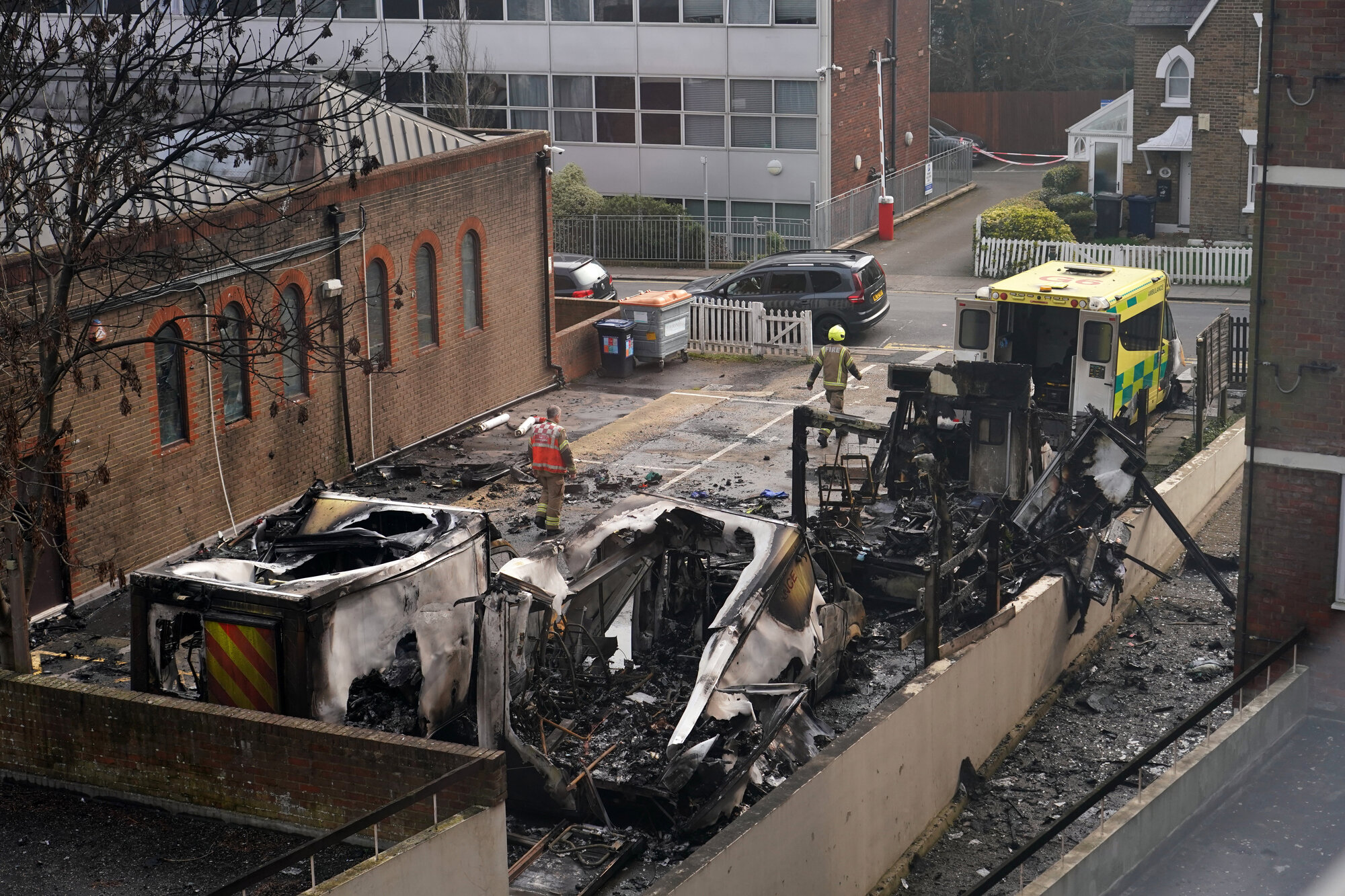
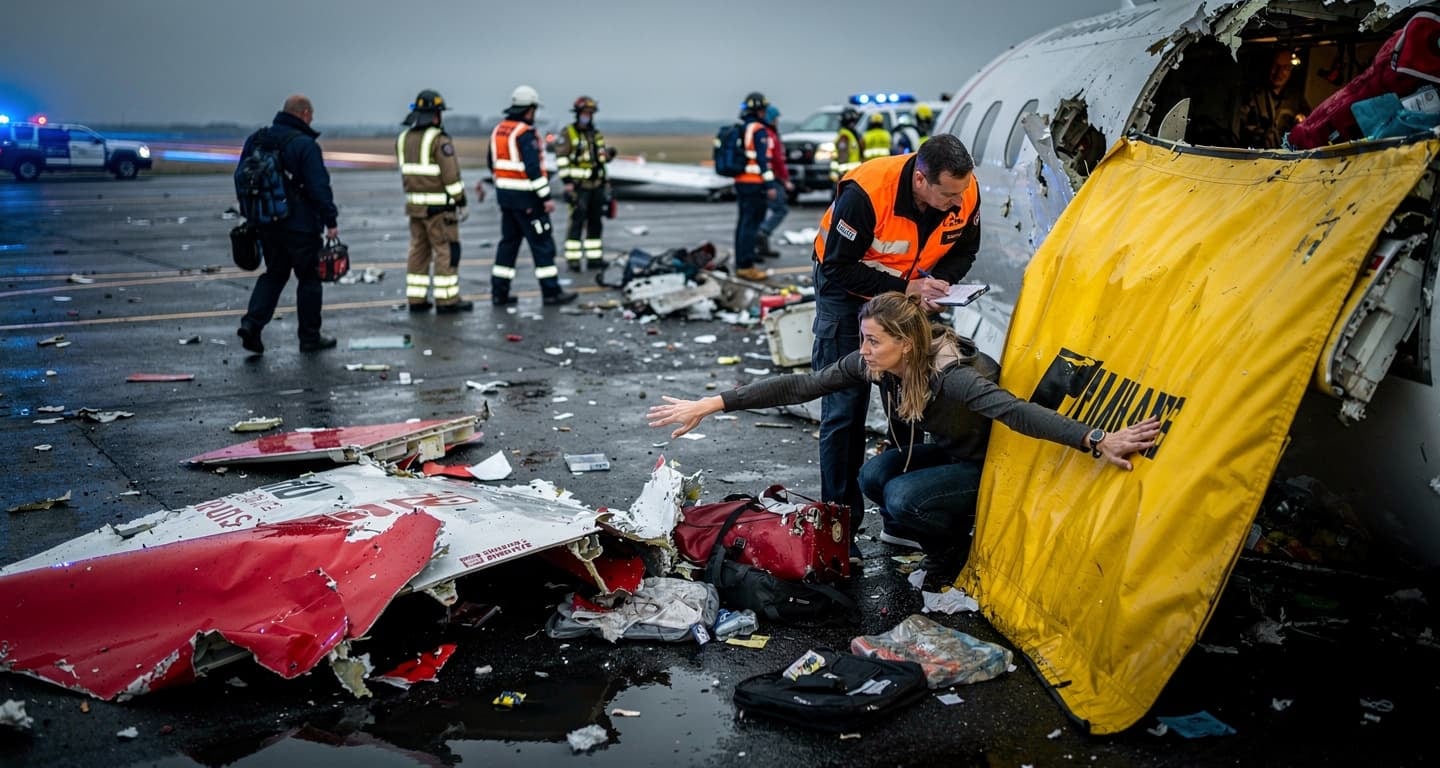
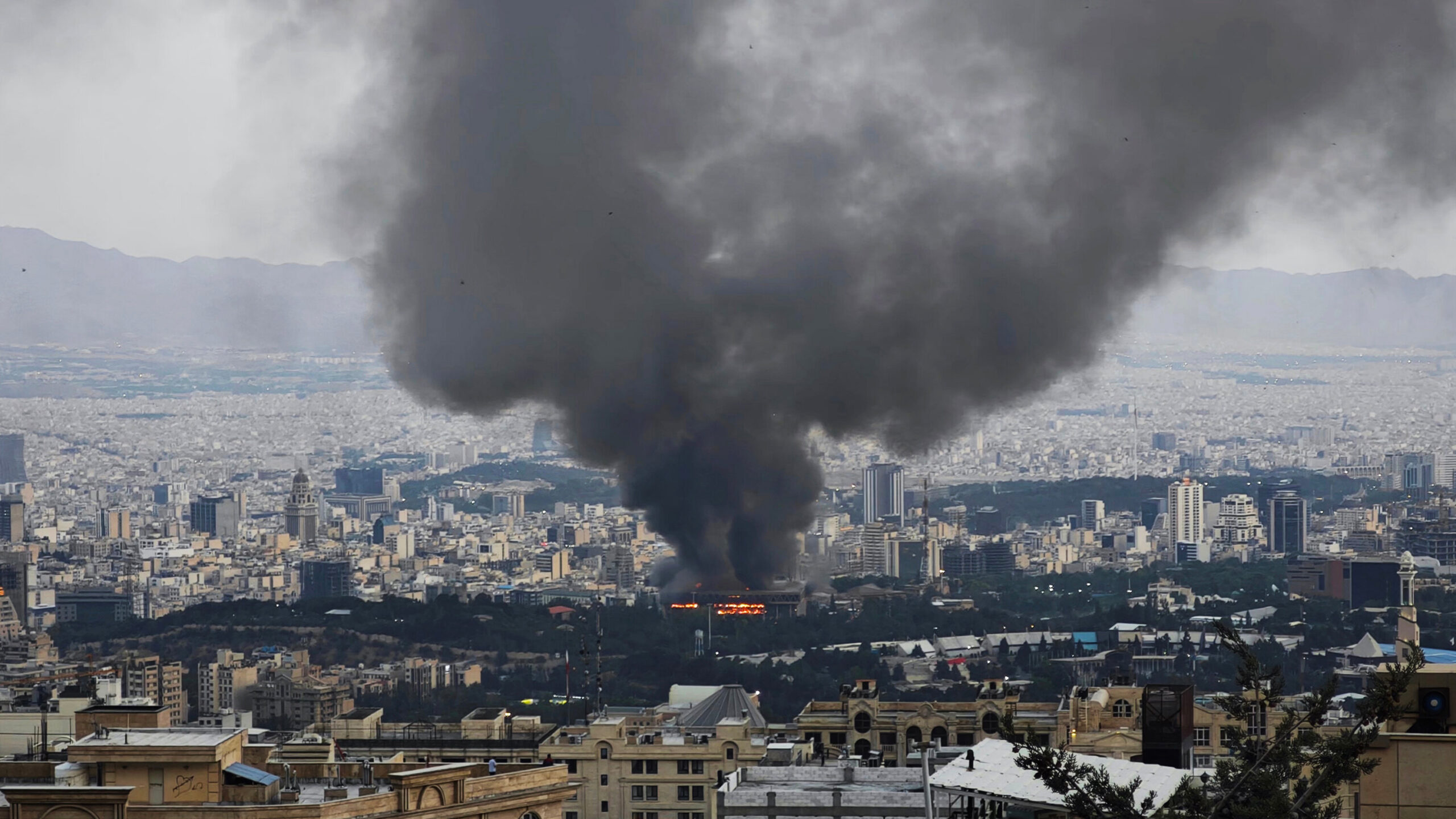
Emergency workers and military personnel were seen searching the crash site for survivors in a rural area, while images showed thick smoke rising from the downed aircraft. Local media footage appeared to show residents helping transport injured soldiers to medical facilities, in some cases riding on the back of small motorbikes.
📍Puerto Leguízamo, #Colombia (🇨🇴)
The @FuerzasMilCol has mobilized various aircraft assets to Puerto Leguízamo following the C-130 crash to retrieve injured personnel.
Aircraft:
– C-130
– Cessna 208 Caravan
– CASA C212
– CASA C-295
– Super King Air
– Mi-17
– UH-60
– UH-1 https://t.co/mtlHnx6ID5 pic.twitter.com/v5w2gTJKQA— SA Defensa (@SA_Defensa) March 23, 2026
Defence Minister Pedro Sanchez said the C-130 had suffered “a tragic accident while it was taking off from Puerto Leguizamo, transporting troops of our security forces,” and called the incident “deeply sad for the country.” Officials said the cause of the crash is under investigation, and no preliminary findings have been made public.
President Gustavo Petro wrote on X that “this horrendous accident … should not have happened.” In the same message, he blamed “bureaucratic problems” for delaying his efforts to modernize military equipment, saying, “I will allow no further delays; the lives of our young people are at stake.” He did not specify any link between these issues and the crash, and investigators have not yet indicated what might have gone wrong.
The incident comes after a separate crash last month involving a Bolivian Air Force C-130, which was transporting banknotes and went down in western Bolivia, killing at least 20 people. Together, the two accidents are likely to intensify scrutiny of military air transport across the region.
What It Means for You
For readers in the United States and elsewhere, the crash underscores how military aviation safety, equipment age, and maintenance standards can quickly become matters of national security and public concern. The C-130 platform, built in the U.S. and widely exported, is central to many countries’ logistics and disaster-response capabilities.
In the coming weeks, investigators are expected to examine factors such as mechanical failure, maintenance history, weather conditions, and human performance. Their findings could influence how Colombia and other countries operate similar aircraft, set training and safety priorities, and fund fleet modernization, with potential implications for international defense partnerships and future equipment contracts.
What aspects of this investigation and its follow-up actions do you think will be most important for building public trust after such a tragedy?
Sources
- BBC News report by Ione Wells on the Colombian Air Force C-130 crash, 23 March 2026.
- Statements by Colombian Air Force commander Carlos Fernando Silva Rueda, Defence Minister Pedro Sanchez, and President Gustavo Petro as quoted in that report.
- Regional casualty updates from Putumayo governor Jhon Gabriel Molina, as cited in the same coverage.