Why This Matters
A shuttered rare earths mine in California that was bankrupt and partly underwater less than a decade ago is now at the center of U.S. efforts to reduce dependence on China for critical minerals. MP Materials’ Mountain Pass mine and new magnet factories are being treated as strategic assets amid tariffs, trade friction, and rising concern about supply-chain security.
Rare earth elements are essential to modern life. They sit inside smartphones, electric vehicles, wind turbines, precision-guided weapons, and the motors that make phones buzz. When one country dominates the supply chain for these materials, it gains leverage not only over factories and jobs, but also over the military systems that rely on high-powered magnets.
China currently produces well over 90% of the world’s rare earth magnets, according to officials cited in the 60 Minutes report. The U.S. push to revive domestic mining, refining, and magnet-making marks a broader shift back toward industrial policy and public-private partnerships, raising questions about costs, environmental impact, and howshould go in backing far government specific companies.
Key Facts and Quotes
Geologists discovered rare earth deposits at Mountain Pass, California, in 1949. By the 1960s, it had become the world’s primary rare-earth mine. But after environmental problems involving low-level radioactive water leaking into the Mojave Desert and rising competition from cheaper Chinese producers, the mine’s then-owner, Molycorp, filed for bankruptcy in 2015, and operations stalled.
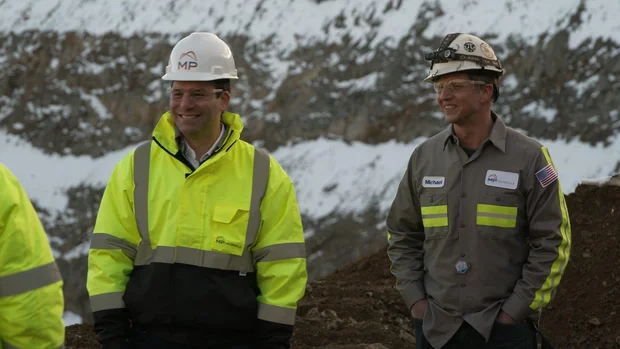
Investor James Litinsky, who learned more about rare earths from an earlier 60 Minutes segment, acquired the distressed mine and refinery and co-founded MP Materials with Michael Rosenthal. When they took over in 2017, the mine was flooded with about 30 million gallons of groundwater, and the business had been battered by low prices after China flooded the market. The operation had only eight employees; it now has more than 700 at Mountain Pass, according to the company.
Rare earths are a group of 17 elemental metals prized for their magnetic, conductive, and optical properties. “The thing that distinguishes rare earth elements is their fantastic magnetic, conductive, and optical properties,” said Julie Klinger, an environmental studies professor at the University of Wisconsin-Madison. She compared them to spices in cooking: small amounts can make magnets “both very small and very powerful.” MP Materials says it reached 99.9% purity for neodymium and praseodymium in 2023 and has built a plant in Fort Worth, Texas, to convert its refined oxides into finished magnets, aiming for up to a million magnets a day. General Motors is set to be its first major automotive customer.
🚨 Antimony Drilling in the USA!
MP Materials has a junior neighbor bringing an old Antimony mine back to production! (Just look at the map!) 👀
Here are some on-site photos of the drilling for Antimony by Locksley Resources $LKY with Rare Earths also being targeted. 🎯
LKY… pic.twitter.com/TvnK5kwPUC
— TheArchitect (@TheArchitect_HC) March 18, 2026
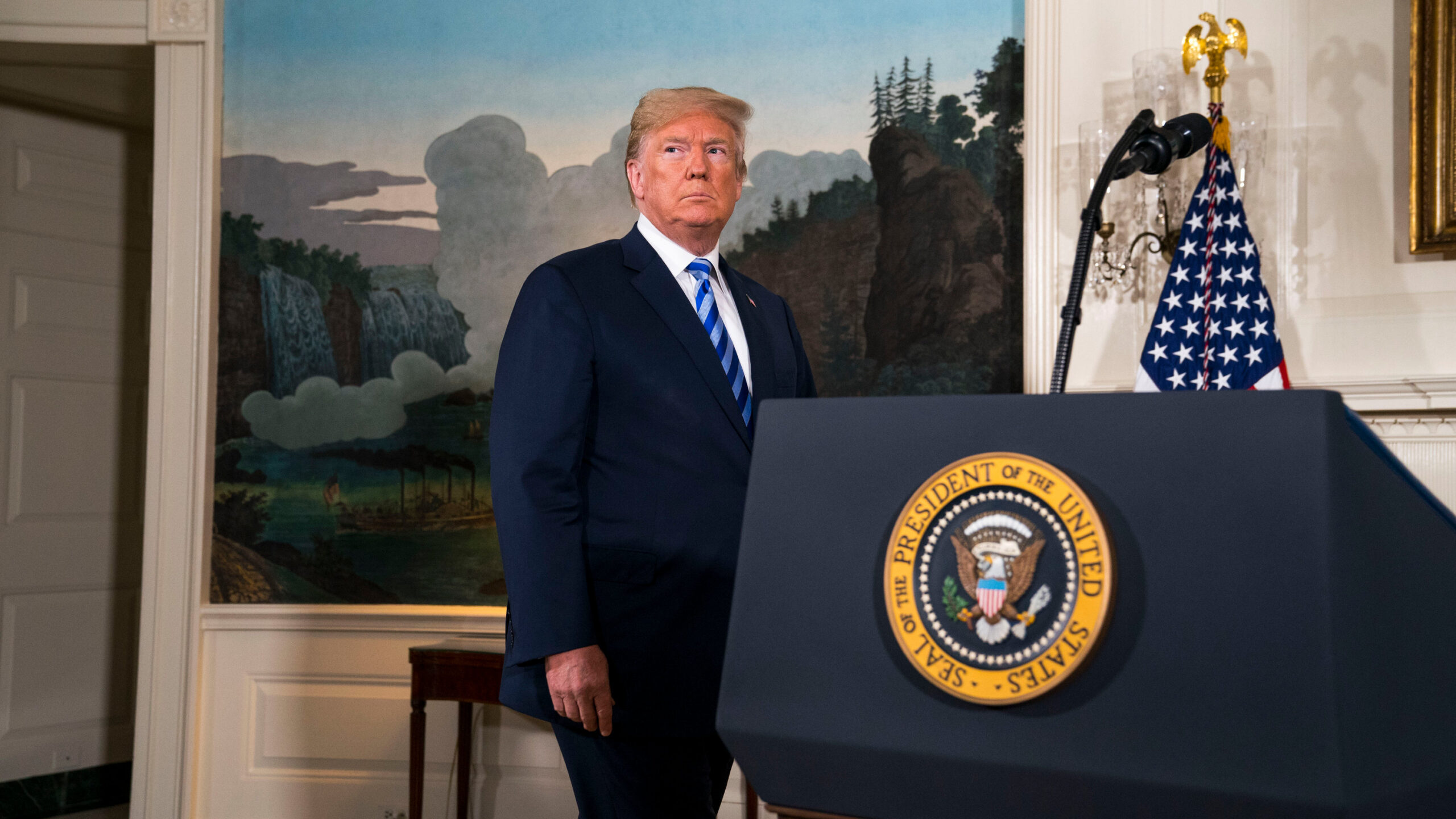
China still dominates the sector. MP CEO Litinsky told 60 Minutes that “well north of 90%” of rare earth magnets are made there. After former President Donald Trump announced broad tariffs in April 2025, China temporarily restricted exports of rare earths and magnets and demanded disclosure of how the materials would be used. Ford reportedly had to pause production of some Explorer SUVs for lack of magnets. Trump later told 60 Minutes that China had been “very strongly threatening” the U.S. with its control of rare earths. The current U.S.-China trade truce over these materials is set to expire in eight months, leaving short-term supply vulnerable if talks fail.
In response, senior U.S. officials summoned Litinsky and Rosenthal to Washington in 2025. “The Pentagon wanted a Manhattan-style project to accelerate the entire supply chain of rare earth magnetics in the country,” Litinsky said. Under a federal deal, the Pentagon agreed to invest $400 million in MP Materials, plus $150 million for a heavy rare-earth refinery, and to take a 15% ownership stake. The agreement includes a 10-year price floor of $110,000 per ton for MP’s rare earth oxide; if market prices fall below that, the government covers the difference, and if prices rise, the government shares in the profits. MP is also building a larger “10X” magnet plant in Northlake, Texas, expected to be completed by 2028. Interior Secretary Doug Burgum defended the approach as “pragmatism,” saying free markets “don’t work if you have an adversary that controls a monopoly that control[s] the prices.”
What It Means for You
For consumers, the outcome could affect the price and availability of products that rely on rare earth magnets, from electric vehicles and home electronics to medical devices and military equipment. A more resilient domestic supply chain may reduce the risk of sudden shortages or factory shutdowns during trade disputes.
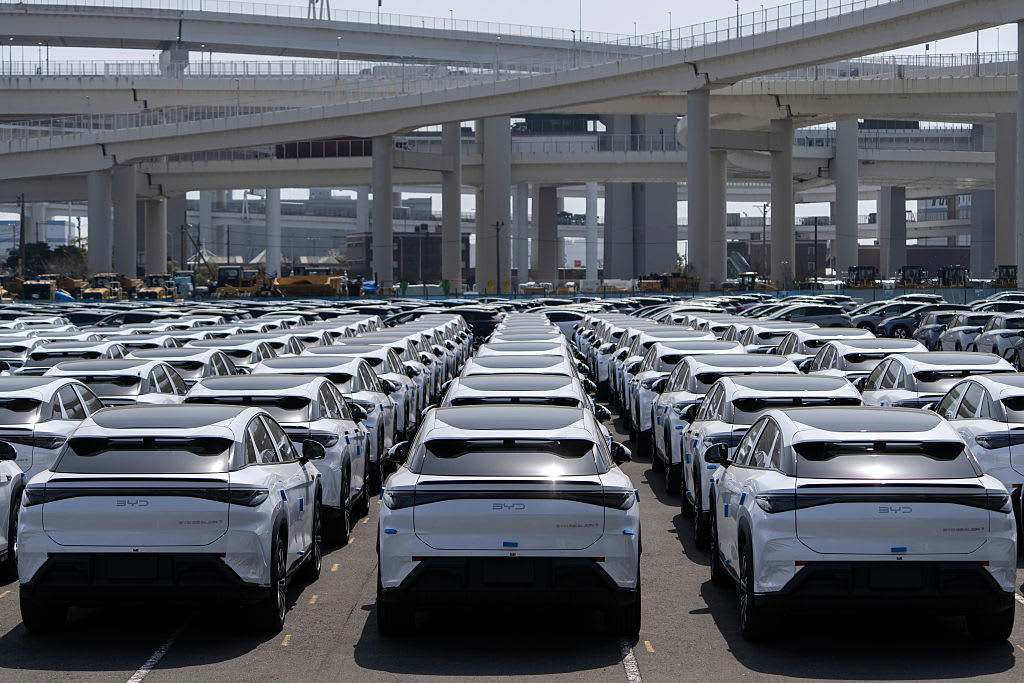
Over the next few years, key questions will include whether MP Materials hits its production targets on time, how environmental standards are enforced at U.S. mines and plants, and whether recycling and competing projects grow fast enough to diversify supply. The fate of the U.S.-China trade truce on rare earths, and any new government support for critical minerals, could shape where jobs, investment, and environmental risks land across the country.
How do you think the U.S. should balance national security, free markets, and environmental protection as it rebuilds its rare earths supply chain?
Sources
- CBS News – 60 Minutes segment and article by Jon Wertheim on MP Materials and rare earths, March 22, 2026.
- Statements and descriptions attributed in that report to MP Materials executives, Interior Secretary Doug Burgum, and Professor Julie Klinger.