Why This Matters
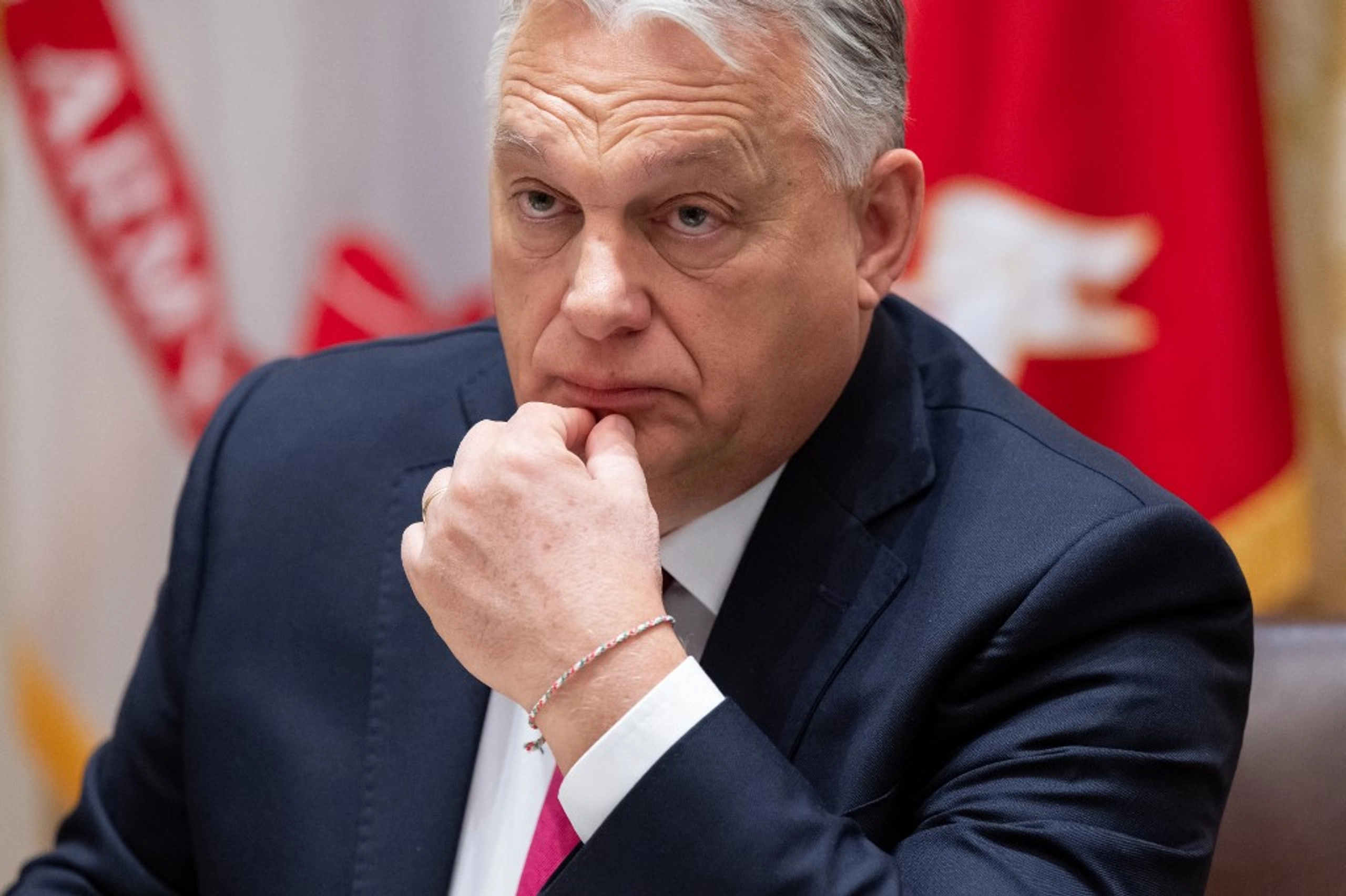
Hungary’s Prime Minister Viktor Orban has conceded defeat in a national election, clearing the way for opposition leader Peter Magyar to take power after 16 years of Orban’s rule. In a country of just over 9 million people, the result signals a sharp political turn with implications well beyond Hungary’s borders.
Orban, the European Union’s longest-serving head of government, has spent years clashing with Brussels over democratic standards, migration, and Hungary’s stance on Russia and the war in Ukraine. Magyar, a conservative but strongly pro-European figure, is promising a reset with the EU, which could alter the balance inside the 27-nation bloc.
Hungary is a NATO member that borders Ukraine and sits on key energy and transport routes. A government in Budapest that is more closely aligned with EU and NATO mainstream positions could affect decisions on sanctions, defense spending, and the pace of support for Ukraine in the coming years.
Key Facts and Quotes
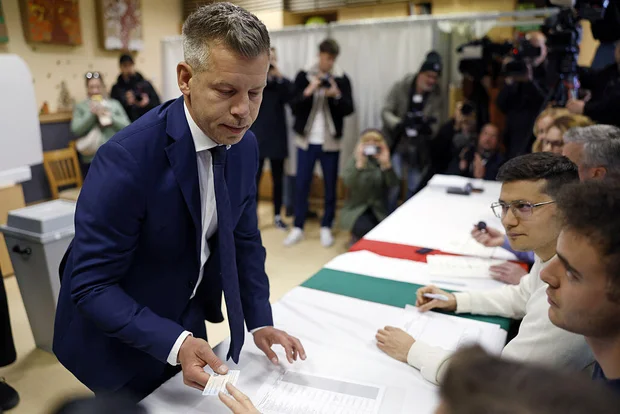
With 77% of the vote counted, Magyar’s party held more than 53% support, compared with 38% for Orban’s governing Fidesz party, according to preliminary figures cited in Hungarian media. Addressing his supporters, Magyar said that up to 6 million Hungarians had voted, an unusually high level of participation for the country.
Orban conceded on Sunday night after what he called a ‘painful’ result. ‘I congratulated the victorious party,’ he told supporters in Budapest, adding that his movement would ‘serve the Hungarian nation and our homeland from opposition as well.’ His defeat ends a stretch in which he became a leading voice of nationalist politics inside the EU.
Magyar wrote on social media that Orban had called to congratulate him, saying, ‘Prime Minister Viktor Orban just congratulated me on the phone on our victory.’ Earlier in the evening, the leader of the pro-European conservative TISZA party said he was ‘cautiously optimistic’ despite what he described as thousands of reports of possible election tampering, which authorities have not yet publicly detailed.
Reactions from European leaders were swift. European Commission President Ursula von der Leyen said Europe’s ‘heart is beating stronger in Hungary tonight’ and called the outcome a sign that ‘a country reclaims its European path.’ French President Emmanuel Macron hailed what he called a victory for democratic turnout and Hungary’s attachment to EU values, while leaders in Germany, Spain, and the United Kingdom offered congratulations and emphasized hopes for a more united Europe.
What It Means for You
For readers in the United States, Hungary’s election matters because it could strengthen coordination within NATO and the EU at a time of global uncertainty. Orban often slowed or opposed joint decisions on sanctions, Ukraine aid, and rule-of-law measures; a Magyar government more in step with European partners may streamline those debates and affect how quickly the West responds to crises.
Inside Hungary, the new leadership is expected to face immediate decisions on restoring frozen EU funds, recalibrating relations with Russia, and addressing concerns about media freedom and the judiciary. The pace of change will depend on the final composition of parliament, coalition talks, and how quickly a new cabinet is formed. Observers will be watching Magyar’s first moves in Brussels and his early domestic reforms for clues to Hungary’s new direction.
How do you think this change in Hungary’s leadership could reshape Europe’s political direction over the next decade?
Sources
CBS News report on the 2026 Hungarian general election by Lucia I. Suarez Sang, published April 12, 2026; preliminary vote counts and turnout figures from Hungary’s National Election Office, statements on April 12, 2026; public posts on X by Ursula von der Leyen, Friedrich Merz, Emmanuel Macron, Pedro Sanchez, and Keir Starmer on April 12, 2026.