TL;DR
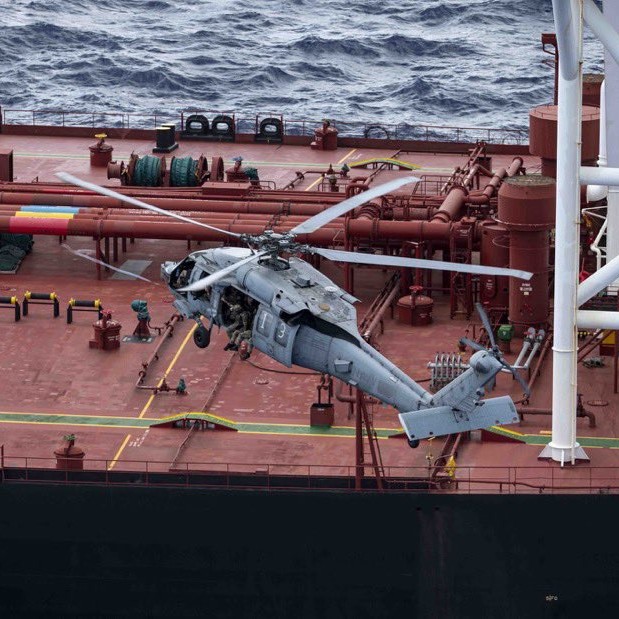
U.S. forces boarded the sanctioned oil tanker Veronica III in the Indian Ocean after tracking it from Venezuela, escalating efforts to disrupt illicit oil flows tied to sanctioned states.
Why This Matters
The boarding of the Veronica III highlights how far the United States is now willing to go to enforce oil sanctions beyond its own waters. By tracking a single tanker from the Caribbean Sea to the Indian Ocean, the U.S. signaled that distance and re-flagging may no longer offer much protection for ships carrying sanctioned crude.
The action is part of a broader campaign targeting what analysts call a “shadow fleet” of tankers that help move oil from countries under sanctions, including Venezuela, Iran, and Russia. These ships often operate with false identities, turn off tracking systems, and use complex ownership structures to hide who ultimately benefits from the cargo.
For global markets, tighter enforcement can affect how easily sanctioned oil reaches refineries, potentially altering supply routes and insurance risks for legitimate shippers. Politically, the boarding follows the capture of Venezuela’s then-President Nicolas Maduro in January and comes amid continued pressure on Caracas over its oil sector. It also raises questions about how frequently the U.S. will conduct such long-range maritime interdictions and what that could mean for freedom of navigation and future diplomatic frictions.
Key Facts & Quotes
According to the Pentagon, U.S. military forces boarded the Veronica III in the Indian Ocean after tracking the ship from the Caribbean Sea. Officials described the move as “a right-of-visit, maritime interdiction and boarding” carried out without incident in the U.S. Indo-Pacific Command area of responsibility.
In a social media statement, the Pentagon said, “The vessel tried to defy President Trump’s quarantine – hoping to slip away. We tracked it from the Caribbean to the Indian Ocean, closed the distance, and shut it down.” Video posted by the department shows U.S. troops boarding the tanker from rigid-hull boats.
JUST IN 🇺🇸🇮🇷: U.S. Department of War Releases footage of Iran’s Ghost Oil Tanker, VERONICA III
Dept of War: “We defend the Homeland forward. Distance does not protect you.
Overnight, U.S. forces conducted a right-of-visit, maritime interdiction and boarding of the Veronica III… https://t.co/H7800KZJi1 pic.twitter.com/jDJ7unP1U7
— Ryan Rozbiani (@RyanRozbiani) February 15, 2026
The Veronica III had previously been listed as a Panamanian-flagged vessel under U.S. sanctions related to Iran, according to the U.S. Treasury Department’s Office of Foreign Assets Control. The Panama Maritime Authority later said the ship was no longer registered there, noting its registration was canceled in December 2024.
Tracking service TankerTrackers.com reported on X that the Veronica III left Venezuela on January 3 with nearly 2 million barrels of crude and fuel oil, the same day then-President Maduro was apprehended during a U.S. military operation. “Since 2023, she’s been involved with Russian, Iranian, and Venezuelan oil,” the organization said.
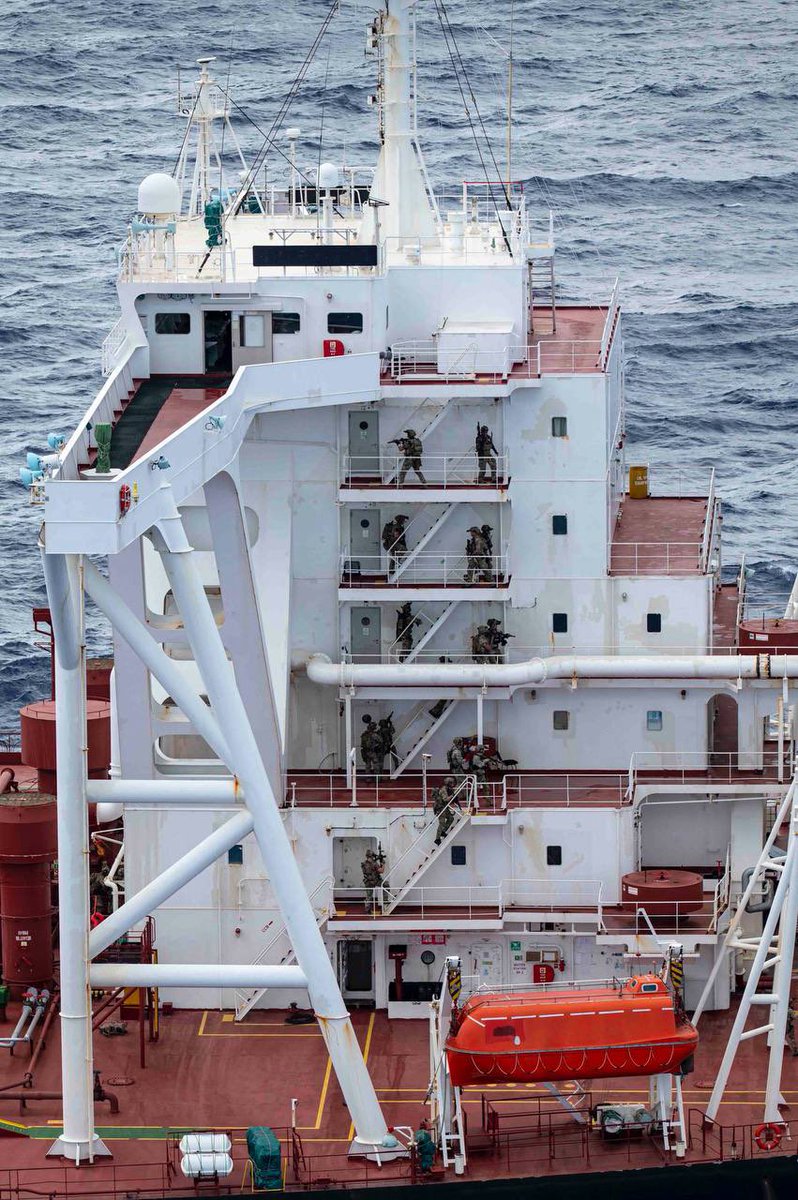
The Pentagon has not publicly confirmed whether the Veronica III has been formally seized and placed under U.S. control, saying only that it had no additional information beyond the initial social media post. The boarding follows a similar operation last week against another tanker, the Aquila II, also in the Indian Ocean. That ship is being held while U.S. officials decide on its ultimate fate, according to prior statements by a defense official.
What It Means for You
For most Americans, this latest update in global news will not change daily routines, but it could influence energy markets and broader foreign policy debates. If U.S. enforcement further restricts the flow of sanctioned oil, it may affect global supply routes and contribute to price swings at the pump over time, depending on how other producers respond.
The operation also reflects how U.S. administrations are using military and financial tools together: sanctions, ship seizures, and maritime patrols working in tandem. That approach may shape future discussions about the costs and benefits of sanctions, the safety of commercial shipping, and the risk of confrontations at sea.
For readers watching world affairs, the key things to monitor will be whether more tankers are boarded, how other countries react, and whether these actions lead to new negotiations or deeper standoffs with sanctioned governments.
What do you think: should the U.S. keep expanding these long-range tanker boardings, or focus more on diplomatic and economic pressure instead?
Sources: Public statements and social media posts from the U.S. Department of Defense (February 2026); U.S. Treasury Department Office of Foreign Assets Control listings; Panama Maritime Authority statement (February 2026); TankerTrackers.com posts and comments to wire services (January-February 2026).