Why This Matters
Federal Reserve Chair Jerome Powell used a visit to a Harvard University economics class to send a direct message to young Americans facing a difficult job market: stay persistent, even as hiring slows and new technologies reshape work.
His remarks come as unemployment for people in their early 20s remains well above the national average and as worries grow that artificial intelligence and geopolitical shocks could make it harder to build a stable career.
The Fed is also managing inflation pressures tied to a war in Iran and sharply higher oil prices, while trying to keep long-term price expectations anchored near its 2% goal. How the central bank responds affects borrowing costs, business hiring plans, and the broader outlook for new graduates.
Key Facts and Quotes
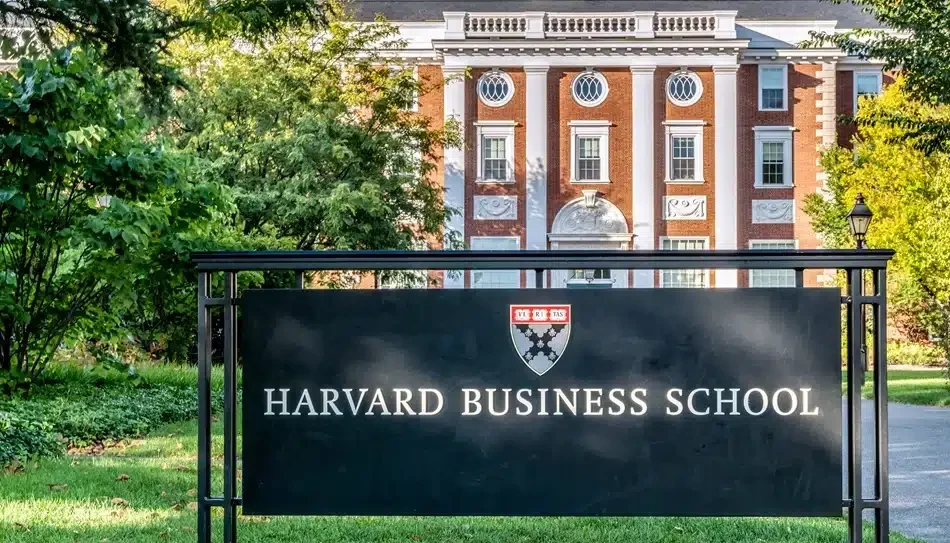
Powell spoke on Monday to an undergraduate Principles of Economics class at Harvard, fielding questions for about an hour on inflation, financial stability, and technology. He is scheduled to step down as Fed chair in May and be succeeded by former Fed official Kevin Warsh, who was nominated to the post by President Donald Trump in January, according to the report.
Addressing students who may soon enter the workforce, Powell acknowledged the challenges of a stalled labor market but urged patience. “There’s no denying it’s a challenging time to enter the labor market,” he said, adding that “in the longer term, this economy is going to give you great opportunities” and calling the U.S. economy “incredibly dynamic and productive” compared with other major market-based economies.
On inflation, Powell pointed to the war in Iran and a surge in oil prices, saying longer-term expectations remain in check. Brent crude briefly hit $115 a barrel before easing to about $108, while West Texas Intermediate rose to just over $101 a barrel, up from around $70 before the conflict. He said the Fed’s “tendency is to look through any kind of a supply shock,” but stressed the need to “carefully monitor inflation expectations.”
Powell also discussed artificial intelligence, which some economists fear could eliminate large numbers of entry-level white-collar jobs. He noted that companies are automating to cut costs but argued that new technologies, like large language models, can boost worker efficiency, much as earlier innovations, such as the loom, increased productivity. “In all cases, it has wound up raising living standards as long as society keeps producing people who have the skills and aptitudes to benefit,” he said, urging young workers to “invest the time to really master the use of these new technologies.”
Powell went to Harvard today with a message for everyone spiraling about #AI taking their jobs: Relax (a little).
He admits the structural shifts are real, but insists the U.S. economy is still dynamic enough to offer “great opportunities” long-term.
We’re seeing 20-24yo… pic.twitter.com/6OroxP4BzZ
— AI Failed Me — Building Better AI (@ai_failed_me) March 30, 2026
According to Labor Department figures cited in the report, the unemployment rate for 20- to 24-year-olds is 7.4%, after topping 9% last fall, compared with an overall jobless rate of 4.4%. Employers added just 181,000 jobs last year, underscoring the slow pace of hiring. Powell acknowledged these headwinds but maintained that the U.S. economy will generate opportunities over time.
What It Means for You
For younger workers and recent graduates, Powell’s comments suggest the job search may remain slow, but that gaining skills-and especially comfort with new technologies-could be critical to long-term success. His advice points toward adaptability, digital literacy, and patience as key tools in a changing labor market.
For households more broadly, the Fed is signaling that it will continue to watch inflation, oil prices, and inflation expectations closely while navigating a leadership change in May. Future decisions on interest rates, along with how businesses adopt AI and respond to higher energy costs, will likely shape both job prospects and the cost of living in the months ahead.
How do you think young workers should balance concern about today’s job market with preparing for longer-term opportunities in a rapidly changing economy?
Sources
- CBS News report by Mary Cunningham, published March 30, 2026.
- U.S. Labor Department unemployment statistics as cited in the CBS News report.