TL;DR
A U.S.-acknowledged drone strike on a Venezuelan port facility steps up Washington’s pressure on President Nicolás Maduro and alleged regional drug networks.
Why This Matters
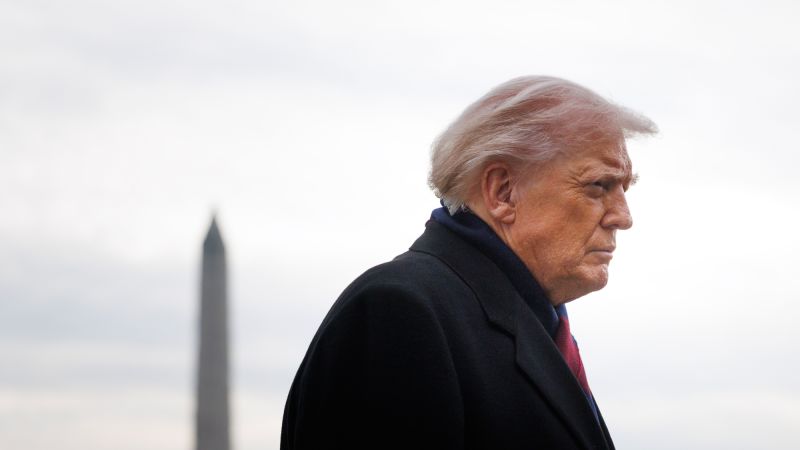
The public acknowledgment of a covert-style strike inside Venezuela marks an unusually open display of U.S. power in Latin America. According to a televised report from PBS NewsHour, President Donald Trump said the United States hit a port facility that officials link to drug trafficking, at a time when Washington is also trying to isolate Venezuelan President Nicolás Maduro.
For decades, U.S. operations against drug smugglers have often been kept out of public view. Announcing them from the White House raises the political stakes. It also highlights how the fight against narcotics is being tied to efforts to weaken Maduro, whose government Washington does not recognize as legitimate.
The operation unfolds against a backdrop of regional tension: U.S. naval buildups in Caribbean waters, sanctions on Venezuela’s oil industry, and longstanding mistrust between Washington and Caracas. How this latest strike is perceived by Latin American governments, Russia, and other outside powers will shape future diplomacy and could influence migration, energy markets, and security cooperation across the hemisphere.
Key Facts & Quotes
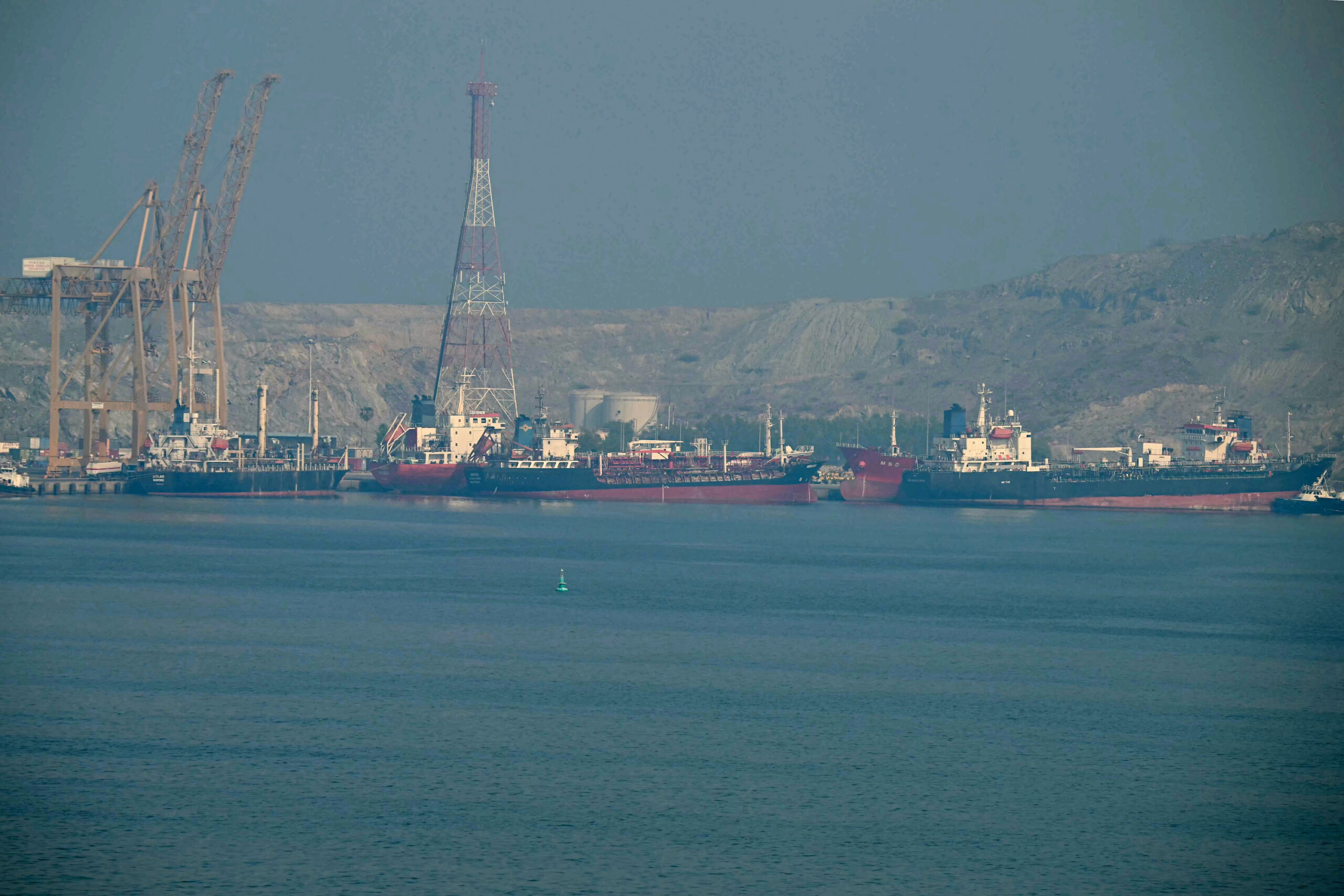
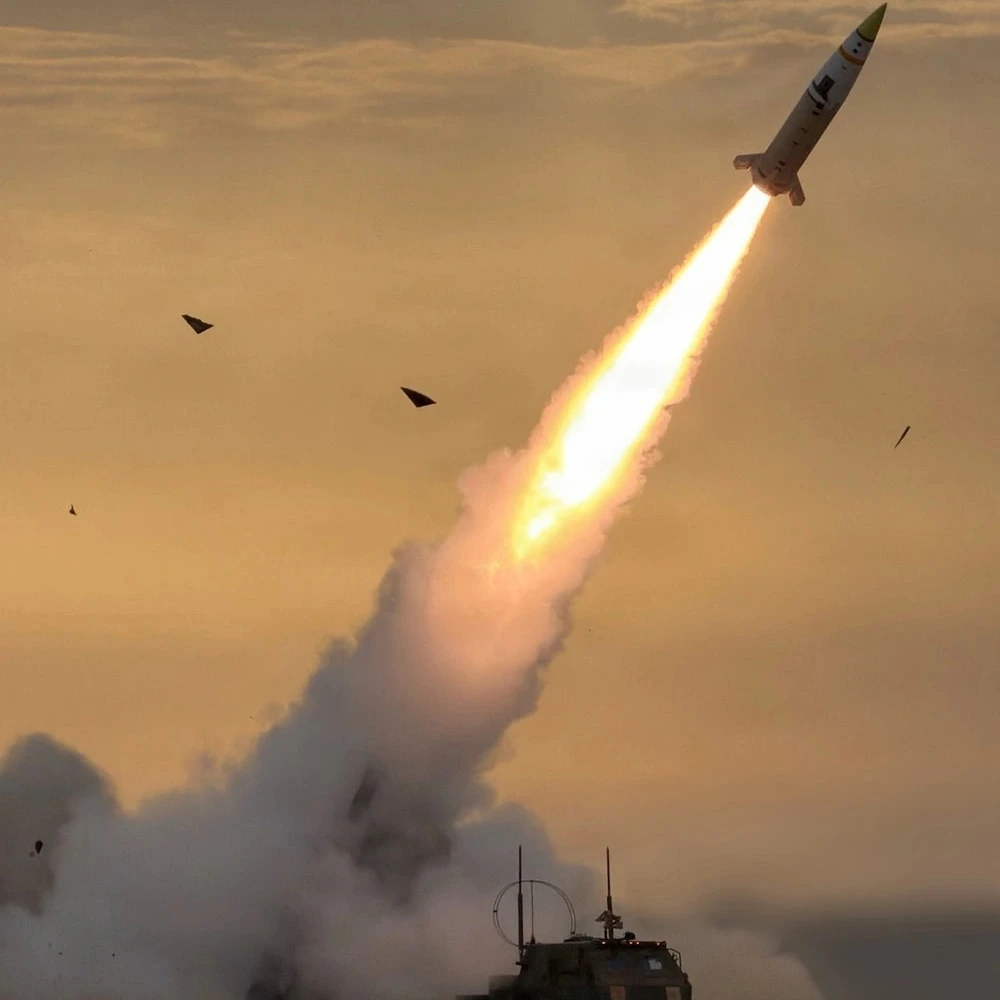
In a televised appearance Monday, President Trump confirmed a strike on a port facility along Venezuela’s coast. Media outlets, cited by PBS NewsHour, reported that the Central Intelligence Agency carried out the operation using a drone, a level of detail U.S. officials did not confirm publicly.
CIA strike brings Trump closer to grave new year decisions on Venezuelahttps://t.co/nD15cwdzej pic.twitter.com/nDx80H4qIV
— 🌏PEACE✌️☮️🕊♻️☘️ (@PeaceOutPeaceIn) December 31, 2025
According to the NewsHour report by foreign affairs correspondent Nick Schifrin, the reported target was a storage facility operated by Tren de Aragua, a transnational criminal group accused of narcotics trafficking. The Trump administration has linked the group to President Nicolás Maduro, though officials have not released public evidence to support that specific connection.
The strike comes after what U.S. officials describe as the Caribbean’s largest naval deployment in roughly half a century, including about 30 operations against suspected narco-terrorist boats and the seizure of sanctioned Venezuelan oil tankers. Describing the port blast, Trump said there was a major explosion in the dock area where they load the boats up with drugs, adding: We hit all the boats. And now we hit the area.
Venezuelan authorities had not publicly detailed their account of the incident at the time of the PBS report, and independent verification of the exact target and damage remained limited. The CIA does not routinely comment on alleged covert operations.
What It Means for You
For U.S. readers, this latest update underscores how foreign policy, the war on drugs, and regional security are tightly linked. A more aggressive posture toward Venezuela could affect oil flows, energy prices, and broader stability in a region that is a key source of migration to the United States.
Heightened tensions between Washington and Caracas may also draw in other powers, including Russia, which has previously offered support to Venezuela’s government. That raises the risk of diplomatic standoffs or proxy competition close to U.S. shores.
In the months ahead, watch for official U.S. explanations of the strike, Venezuela’s response, and reactions from neighboring countries. Those signals will help show whether this remains a limited counter-drug operation or becomes part of a wider confrontation that could shape U.S. politics, border discussions, and energy debates.
Sources
PBS NewsHour segment “With strike inside Venezuela, U.S. increases pressure on Maduro regime,” reported by Nick Schifrin, broadcast date as cited in program metadata. Public remarks by President Donald Trump, as carried in the same broadcast and related U.S. television coverage.
What concerns you most about the United States using openly acknowledged strikes inside another country as part of its anti-drug and foreign policy strategy?