TL;DR
A TV report says President Trump demands Iran’s “unconditional surrender” as U.S.-Israel strikes continued and Iranian groups reported 1,300 dead.
Why This Matters
A direct confrontation involving the United States, Israel, and Iran would mark a break from years of shadow conflict, cyberattacks, and proxy battles across the Middle East. The March 6 public television report describes a nearly week-long bombing campaign inside Iran and a U.S. president openly calling for “unconditional surrender” and influence over Iran’s future leadership. That combination raises the stakes far beyond previous flare-ups over nuclear activity, oil shipping lanes, or regional militias.
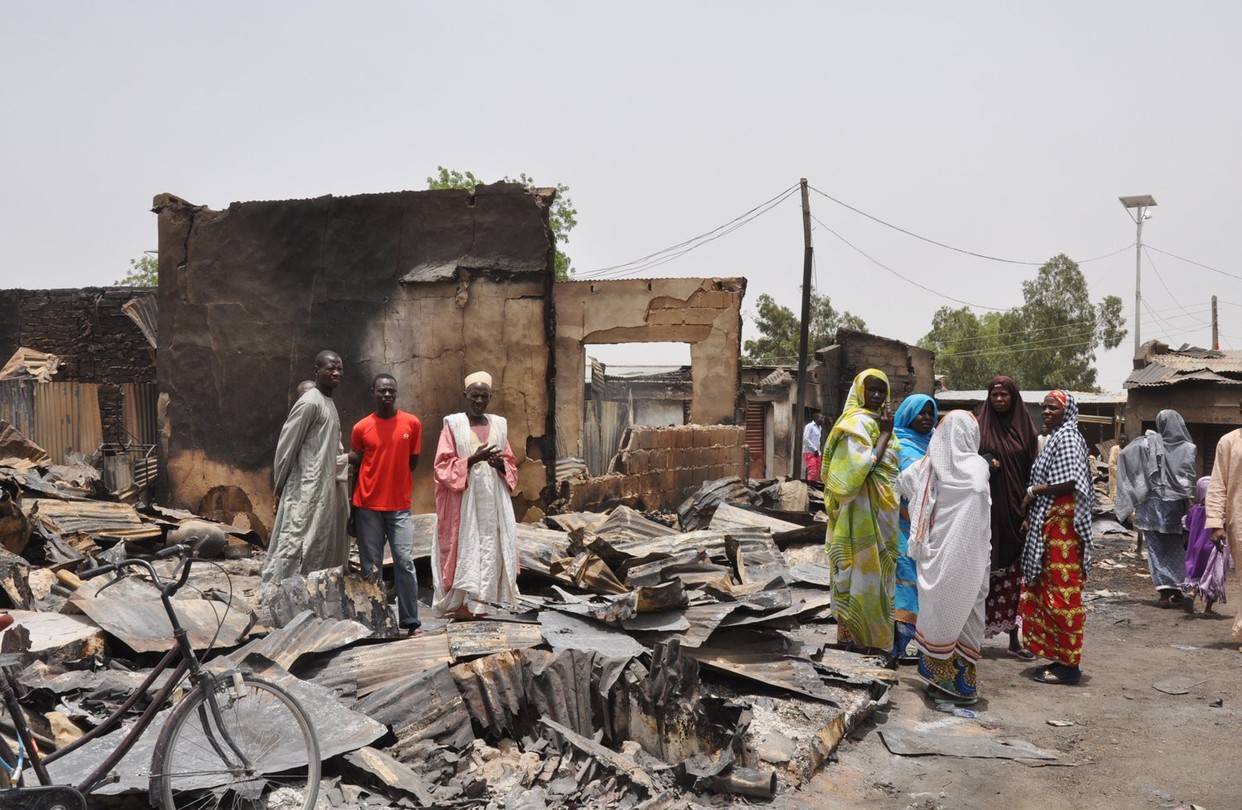
For civilians on the ground, the priorities are survival and access to basic services. Iran’s main emergency relief group, the Iranian Red Crescent, has reported more than 1,300 people killed by American-Israeli airstrikes, highlighting the risk to homes, schools, and hospitals in dense urban areas. Relief agencies often struggle to reach those most affected when roads, power, and communications are damaged by repeated strikes.
A widening conflict could also disrupt global oil supplies and raise security costs for U.S. forces stationed across the Gulf, with ripple effects for prices, trade routes, and already tense regional politics.
Key Facts & Quotes
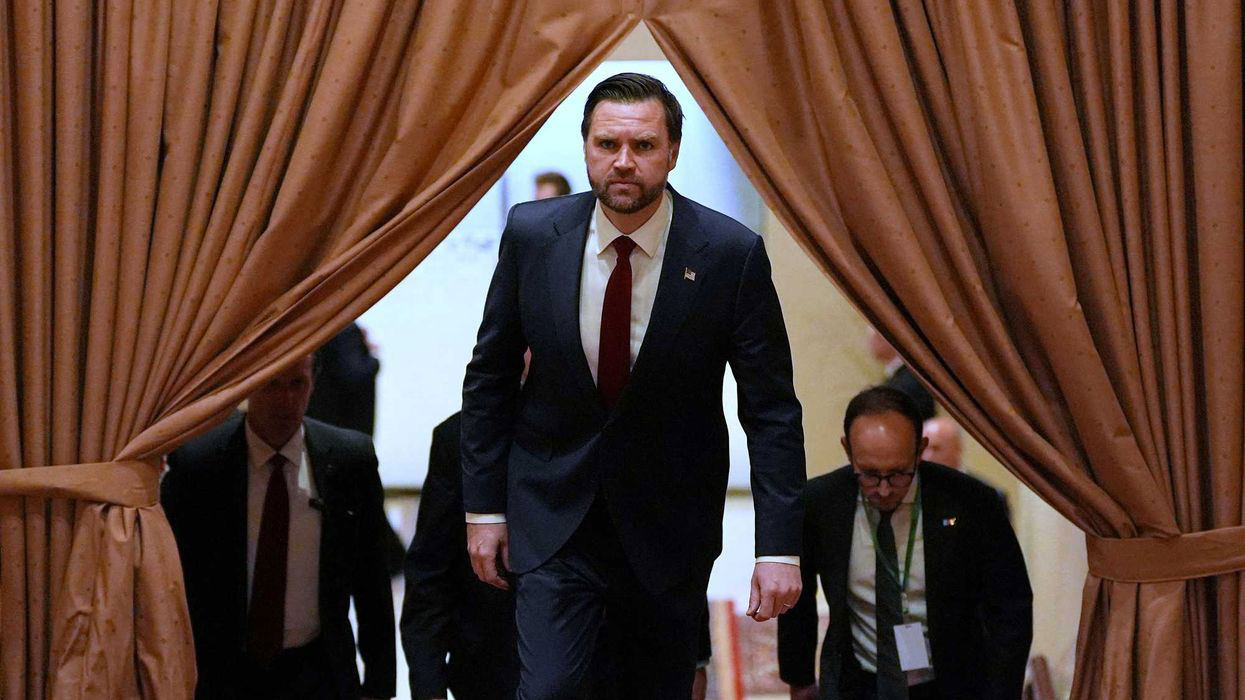
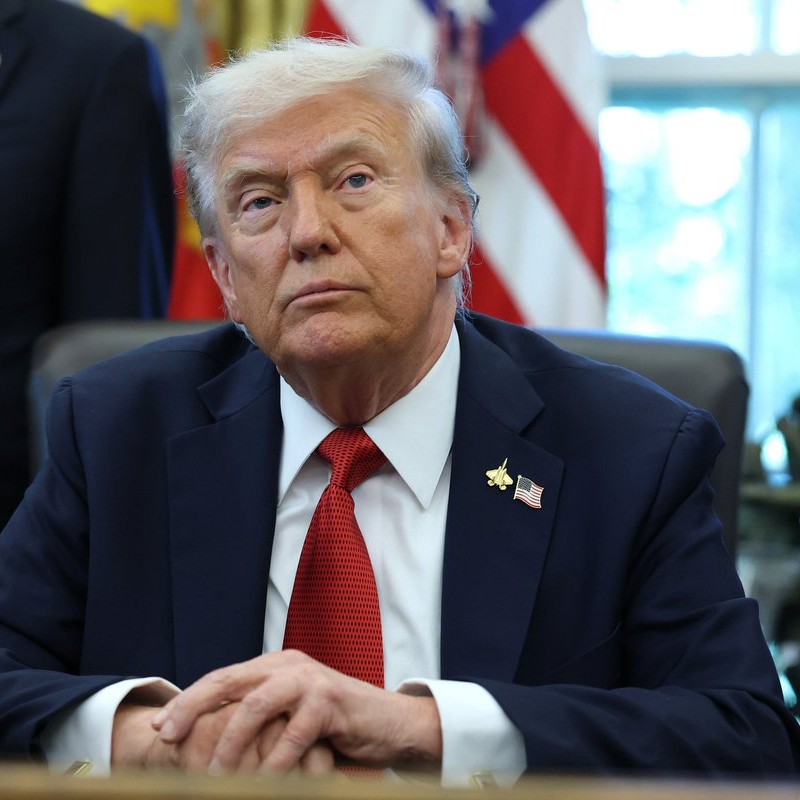
In the March 6 broadcast, filmed from Doha in Qatar, correspondent Leila Molana-Allen described what she called a new phase of a U.S.-Israel war with Iran that had been underway for nearly a week. In remarks aired in the segment, President Trump demanded what he termed Iran’s “unconditional surrender” and said he wanted a role in selecting the Islamic Republic’s next leader, according to the program’s transcript. Such language goes beyond calls for policy change and echoes terminology used at the end of major 20th-century wars.
🚨 Trump says no Iran deal without “unconditional surrender. pic.twitter.com/dhuMufpTvW
— MR.HARRY JOE (@pete_elit) March 7, 2026
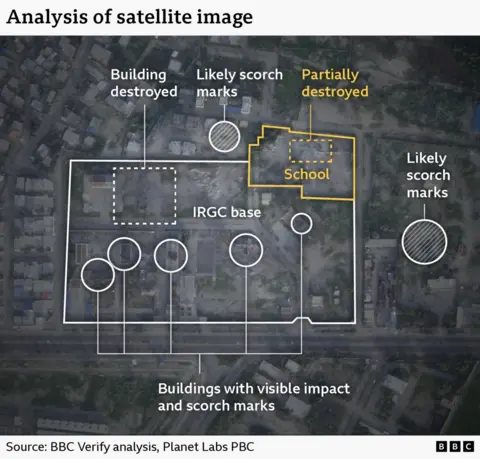
The Iranian Red Crescent, Iran’s largest humanitarian and disaster-response organization, was cited in the report as saying more than 1,300 people had been killed by American-Israeli bombing. Local officials in Tehran also reported that another school was struck in an air raid, underscoring concerns about civilian infrastructure being hit. Casualty figures in fast-moving conflicts are difficult to verify independently, and numbers released by governments and aid groups often change as more information emerges.
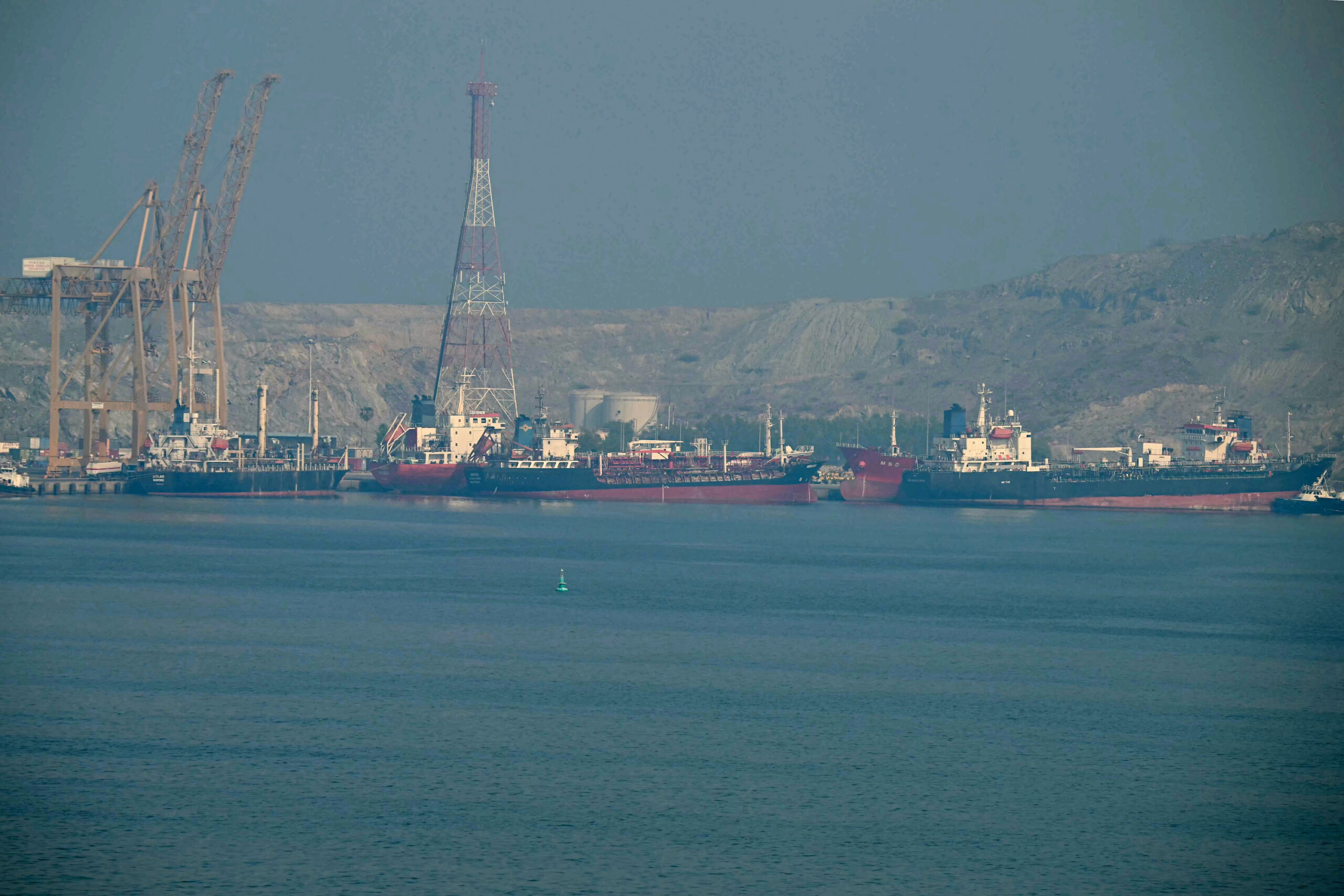
The broadcast said the fighting was expanding across the region, though it did not detail all of the locations affected. Past showdowns between Washington and Tehran have involved attacks on shipping in the Strait of Hormuz, missile launches involving U.S. bases in Iraq, and clashes between groups backed by Iran and forces aligned with the United States or Israel, according to previous statements from U.S. and Iranian officials. Analysts warn that a full-scale war could combine many of those elements.
What It Means for You
For many Americans, what it means in daily life often shows up first at the gas pump and in financial markets. Iran is a major oil producer, and any prolonged disruption to its exports or to Persian Gulf shipping lanes could push energy prices higher. Market volatility can filter through to retirement accounts, college savings plans, and the broader cost of goods, especially if transport routes are affected.
Families with relatives in the military may also face uncertainty if deployments increase or tours are extended in and around the Middle East. At home, public debate is likely to intensify over the goals of any U.S. action, the rules for targeting, and how civilian harm is measured. Following official briefings, hearing from veterans, and tracking verified updates can help people weigh the risks, costs, and outcomes as the situation develops.
What do you believe should guide U.S. decisions when tensions with another country escalate this sharply?
Sources: March 6, 2026, U.S. public television news broadcast from Doha, Qatar; casualty figures and local reports cited there from the Iranian Red Crescent Society and officials in Tehran.